From both a neuroscience and psychology perspective, friendship before intimacy tends to build stronger, longer-lasting bonds. Here’s why:
1. Trust and Safety Come First
- Friendship allows partners to establish trust without the pressure of sexual or romantic expectations.
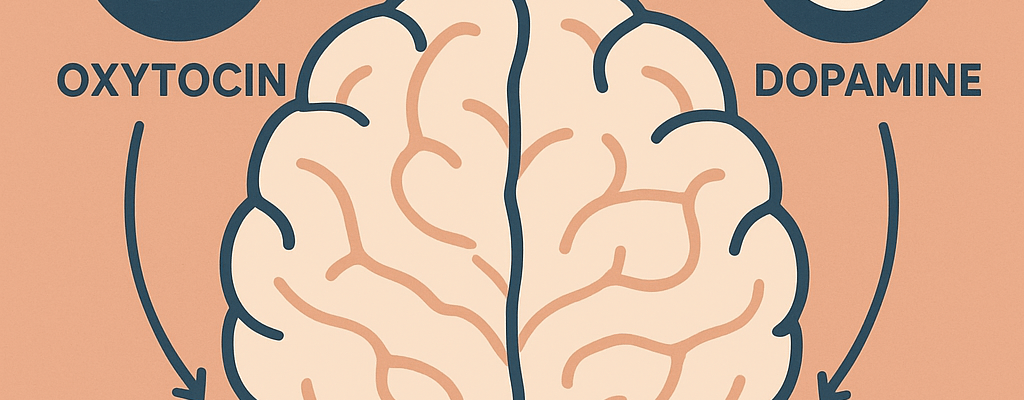
- Neurochemically, trust-building activates oxytocin pathways (the “bonding hormone”), which strengthens emotional attachment.
2. Emotional Intimacy Forms Naturally
- Friendships encourage empathy, shared experiences, and mutual support.
- Psychological studies show that couples who start as friends report higher satisfaction because their bond is based on compatibility and understanding, not just attraction.
3. Conflict Resilience
- Friends learn how to handle disagreements, communicate, and respect boundaries before romantic or sexual stakes enter the picture.
- This translates to more stable, resilient romantic relationships later.
4. Reduced Idealization
- Jumping straight into romance can create “honeymoon halo effects”, where people overlook flaws.
- Friendship-first allows partners to see each other realistically, reducing later disappointments.
5. Stronger Neural Associations
- Activities shared as friends (laughing, collaborating, helping) reinforce positive dopamine pathways in the brain.
- When intimacy enters later, the brain associates pleasure not just with sex, but with trust, laughter, and shared experiences — making the bond more multidimensional.
In short: Friendship builds the scaffolding — trust, respect, and shared joy — that makes romantic intimacy much richer and resilient.
 Linda C J Turner | Trauma Therapist & Emotional Healing Specialist