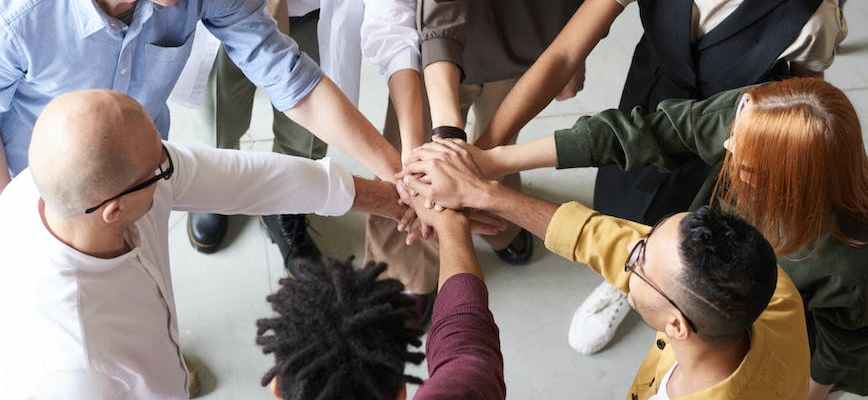
Right now, I’m finding my way — and it feels like waking up to life again. I’m meeting so many interesting, beautiful, kind people, each conversation lighting up something new inside me. After years of restriction, obligation, or other people’s control, I’m finally making my own choices — where I go, who I see, what I do with my time.
From a neuroscience point of view, this freedom is more than just emotional — it’s biological healing in motion. When we begin to make our own decisions again, the prefrontal cortex (the part of the brain responsible for self-direction and planning) reactivates. The dopamine system — which fuels curiosity, joy, and motivation — begins to fire in healthier patterns.
Freedom literally rewires the brain.
When we meet kind people and feel safe connections, the oxytocin system — the chemistry of trust and belonging — strengthens. Our vagus nerve (which regulates calm and social engagement) signals safety to every cell of the body. That’s why new friendships and simple kindness can feel like medicine.
Psychologically, this stage is about reclaiming agency — rediscovering what it feels like to live from choice instead of fear. Each small act of self-direction — deciding when to travel, who to spend time with, or even how to spend a quiet afternoon — tells the nervous system, “I’m safe now. I’m in charge of my own life.”
There’s a deep peace in that.
And a quiet joy that doesn’t need to be loud to be real.
This is what healing looks like:
Not perfection, but presence.
Not control, but freedom.
Not isolation, but connection — the kind that reminds you that you belong in the world, just as you are.
 Linda C J Turner | Trauma Therapist & Emotional Healing Specialist