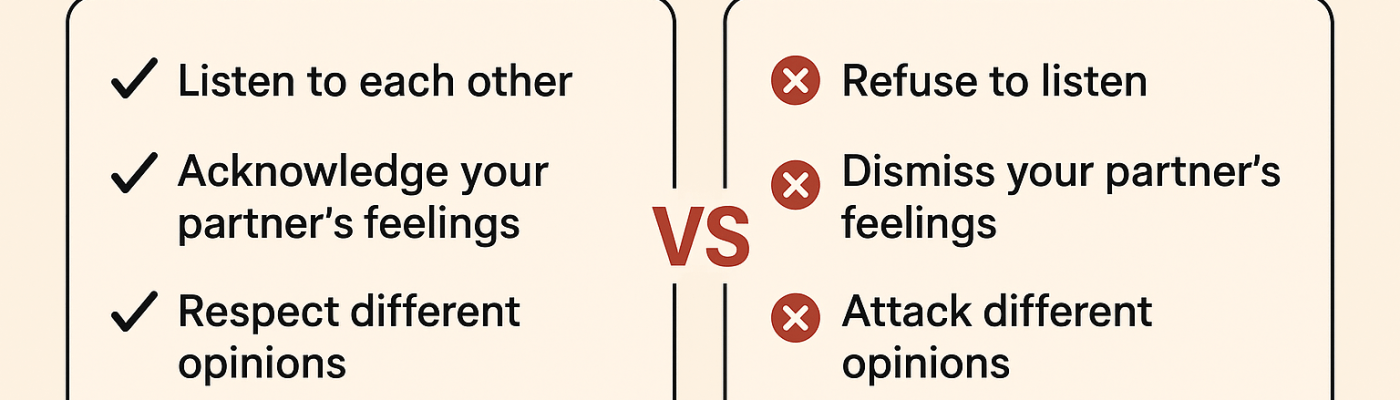
- Consistency of Words and Actions → Genuine people behave congruently. This consistency reduces uncertainty and creates predictability, which is the foundation of trust.
- Active Listening & Empathy → They validate your feelings instead of dismissing them. This nurtures a sense of safety, which the brain interprets as “I am not alone.”
- Transparency → They do not hide motives, so you don’t feel manipulated. That transparency reduces hypervigilance and overthinking.
- Support Without Agenda → They help because they want to, not because they expect a return. This fosters reciprocity rather than transaction.
🔹 Neuroscience of Regaining Trust
When you interact with genuine people:
- Oxytocin Release
- Genuine kindness and trustworthy behavior trigger oxytocin (“bonding hormone”).
- This reduces fear responses in the amygdala, lowering anxiety and allowing you to open up again.
- Dopamine Activation
- Positive interactions (laughter, encouragement, being believed) activate the brain’s reward system.
- Your brain begins associating human connection with pleasure instead of pain.
- Cortisol Reduction
- In toxic relationships, cortisol (stress hormone) stays high.
- Genuine, calm people help regulate your nervous system—your heart rate, breathing, and stress hormones normalize.
- Neuroplasticity
- Each time you experience honesty and kindness, your brain rewires.
- Old “expect betrayal” patterns weaken, and new “people can be safe” pathways strengthen.
🔹 How Genuine People Help You Heal
- Safety First → Their reliability calms your nervous system.
- Rebuilding Self-Worth → They reflect back your strengths, reminding you you’re valued.
- Gradual Exposure → Bit by bit, you test small levels of trust. Each positive experience creates a new memory that overwrites trauma-based distrust.
- Modeling Trust → You learn healthy boundaries and honesty by observing and experiencing it firsthand.
✅ In short: Genuine people act as emotional regulators and neural “retrainers.”
They help shift your brain from survival mode (mistrust, hypervigilance) back into connection mode (trust, openness, joy).
 Linda C J Turner | Trauma Therapist & Emotional Healing Specialist