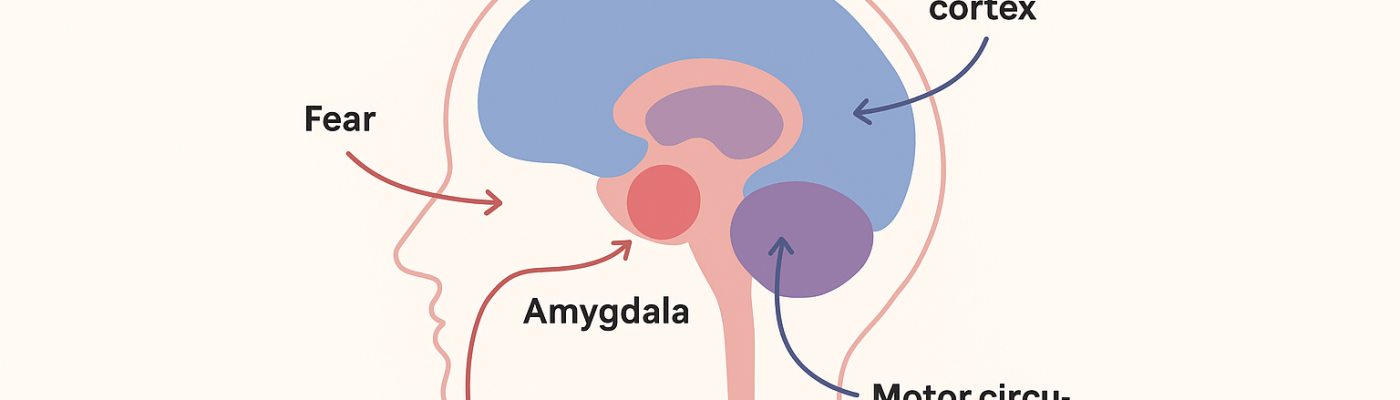
A young child who is left shut in a room, ignored, and exhibiting behaviors like rocking and head-banging is showing clear signs of distress and trauma. These behaviors are often ways that children try to self-soothe when they feel unsafe, abandoned, or overwhelmed.
Some important points to understand about this behavior:
- Rocking and head-banging are coping mechanisms.
- Rocking can provide a sense of rhythmic comfort and predictability when a child feels anxious or scared.
- Head-banging is sometimes an attempt to release tension or pain internally, but it can also be a signal of extreme emotional distress or neglect.
- Ignoring a child in this state can intensify trauma.
- Children rely on adult responses to feel safe and regulate their emotions.
- Shutting them in and ignoring them can disrupt attachment, heighten anxiety, and sometimes create long-term emotional and behavioral difficulties.
- Immediate needs of the child:
- Safety: Ensure the child is not in physical danger from head-banging or self-harm.
- Comfort and reassurance: Gentle presence, calm tone, and predictable routines help a child feel secure.
- Connection: Even minimal emotional engagement, like talking softly or offering a hand to hold, can help regulate their nervous system.
- Professional support is crucial:
- A child in this situation may need evaluation by a pediatrician, child psychologist, or social worker.
- Early intervention can prevent deeper psychological impacts like attachment difficulties, anxiety disorders, or trauma responses that persist into adulthood.
If you are witnessing this currently, it’s important to act. Depending on where you are, contacting child protective services, a pediatrician, or a local child welfare organization is the safest step for the child. Even if you’re not the caregiver, reaching out can make a real difference.
 Linda C J Turner | Trauma Therapist & Emotional Healing Specialist