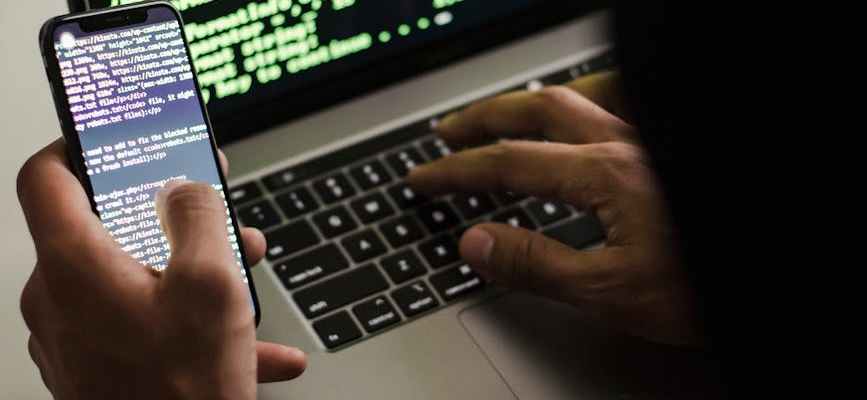
Phone stalking, spying, monitoring, intercepting calls, and using spyware to invade someone’s privacy are serious violations that can have profound psychological implications for both the perpetrator and the victim. Here’s an exploration of the psychology behind such behaviors:
Understanding the Psychology of Phone Stalking and Spyware Use
In today’s interconnected world, advancements in technology have made it easier for individuals to engage in invasive behaviors such as phone stalking and using spyware to monitor or intercept calls. These actions often stem from complex psychological motivations and can have significant consequences for all parties involved.
Psychological Motivations:
- Control and Power:
- Sense of Dominance: Individuals who engage in phone stalking or spyware use may do so to exert control over others. Monitoring someone’s communications can provide a false sense of power and authority in the relationship.
- Insecurity and Fear: Perpetrators may feel insecure about their relationships or have deep-seated fears of abandonment or betrayal. Monitoring phone calls or messages may be a misguided attempt to alleviate these anxieties.
- Jealousy and Possessiveness:
- Fear of Loss: Jealousy and possessiveness can drive individuals to monitor their partner’s communications out of fear of losing them to someone else. This behavior often reflects unresolved trust issues or emotional dependency.
- Comparative Mindset: Comparing oneself unfavorably to perceived rivals can intensify feelings of jealousy, prompting intrusive behaviors to gather information and maintain a sense of security.
- Privacy Invasion and Boundary Violation:
- Lack of Empathy: Some perpetrators may disregard ethical boundaries and the privacy rights of others, viewing their actions as justified in the pursuit of information or control.
- Normalization of Surveillance: In certain cases, individuals may rationalize phone stalking or spyware use as a means of protecting their own interests or preventing perceived threats.
Impact on Victims:
- Emotional Distress:
- Violation of Trust: Victims of phone stalking or spyware use often experience profound betrayal and loss of trust in their relationships. The invasion of privacy can lead to feelings of vulnerability, anxiety, and emotional trauma.
- Psychological Harm: Persistent monitoring and surveillance can contribute to heightened stress levels, depression, and a sense of helplessness in victims.
- Isolation and Distrust:
- Social Withdrawal: Victims may withdraw from social interactions or limit their communication out of fear of being monitored. This isolation can exacerbate feelings of loneliness and alienation.
- Impact on Relationships: Surveillance behaviors can damage relationships beyond repair, undermining intimacy, and eroding mutual respect.
Legal and Ethical Considerations:
- Legal Consequences: Phone stalking, intercepting calls, and using spyware to monitor communications are illegal in many jurisdictions. Perpetrators may face criminal charges, civil lawsuits, and significant legal penalties.
- Ethical Responsibilities: Respecting privacy rights and maintaining ethical boundaries in relationships are essential for fostering trust and mutual respect. Violating these principles can have lasting repercussions for both individuals and communities.
Seeking Support and Intervention:
- Victim Support: If you suspect you are a victim of phone stalking or spyware use, seek support from trusted friends, family members, or a counselor who can provide guidance and assistance.
- Legal Assistance: Consult with legal professionals to understand your rights and explore options for addressing invasive behaviors through legal channels.
- Perpetrator Intervention: Perpetrators of phone stalking or spyware use may benefit from counseling or therapy to address underlying issues such as insecurity, jealousy, or control issues.
Conclusion:
Phone stalking and spyware use reflect complex psychological dynamics driven by issues of control, insecurity, jealousy, and the misuse of technology. Understanding these motivations is crucial for addressing these behaviors responsibly and promoting healthy relationships based on trust, respect, and privacy.
Copyright © Linda C J Turner 2023 LindaCJTurner.com All Rights Reserved.
All content on this website, including text, images, graphics, and other material, is protected by copyright law and is the property of Linda C J Turner unless otherwise stated. Unauthorized use or reproduction of the content in any form is prohibited.
 Linda C J Turner | Trauma Therapist & Emotional Healing Specialist