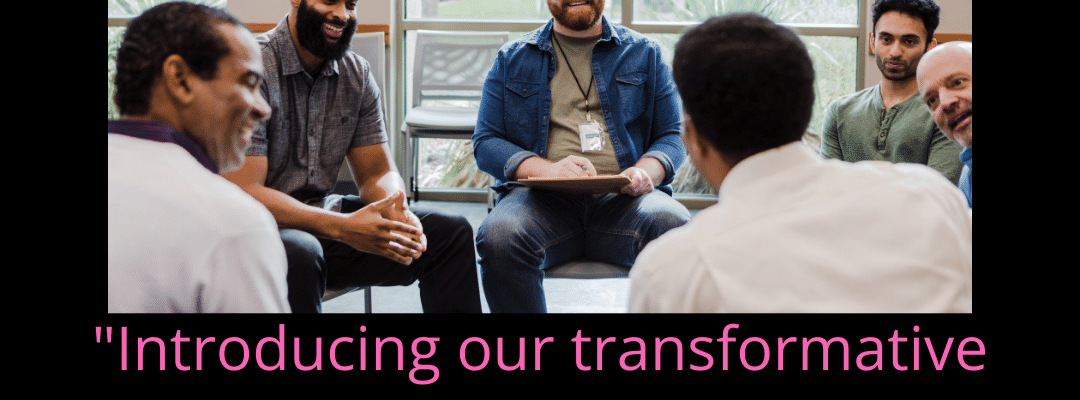
Assertiveness training is a structured approach to help individuals express themselves confidently and respectfully, without aggression or passivity. It involves developing skills to communicate your needs, desires, and boundaries effectively. Here’s a detailed look at what assertiveness training involves and how you can practice it:
Components of Assertiveness Training
- Understanding Assertiveness:
- Assertiveness vs. Aggression: Learn the difference between being assertive (standing up for yourself in a respectful way) and being aggressive (dominating or disrespecting others).
- Assertiveness vs. Passivity: Recognize the difference between being assertive and being passive (failing to express your needs or allowing others to violate your boundaries).
- Self-Awareness:
- Emotional Awareness: Understand your emotions and how they influence your behavior.
- Self-Esteem: Build a positive self-image and recognize your worth and rights.
- Communication Skills:
- Verbal Skills: Learn to use “I” statements (e.g., “I feel…”, “I need…”) to express your thoughts and feelings without blaming or criticizing others.
- Non-Verbal Skills: Develop confident body language, including eye contact, posture, and tone of voice.
- Boundary Setting:
- Personal Boundaries: Identify and respect your personal limits in different areas of your life.
- Enforcing Boundaries: Learn to say no and handle pushback from others.
- Conflict Resolution:
- Managing Disagreements: Develop strategies for handling conflicts constructively without compromising your needs or disrespecting others.
Steps to Practice Assertiveness Training
- Identify Areas for Improvement:
- Reflect on situations where you struggle to be assertive. This could be at work, in personal relationships, or in social settings.
- Set Clear Goals:
- Define what you want to achieve through assertiveness training. Goals might include being able to say no without guilt, expressing your opinions in meetings, or asking for what you need in relationships.
- Learn Assertive Communication Techniques:
- Use “I” Statements: Practice framing your thoughts and feelings with “I” statements. For example, “I feel overwhelmed when I have too many tasks to handle at once.”
- Be Direct and Clear: Communicate your needs and desires clearly and concisely. Avoid beating around the bush or being overly apologetic.
- Practice Non-Verbal Assertiveness:
- Body Language: Maintain eye contact, stand or sit up straight, and use a calm, steady tone of voice.
- Facial Expressions: Ensure your facial expressions match your message, showing confidence and sincerity.
- Role-Playing Exercises:
- Simulate Scenarios: Practice assertive communication in various scenarios with a friend, family member, or therapist.
- Feedback and Improvement: Ask for feedback on your performance and work on areas that need improvement.
- Develop Assertiveness in Everyday Situations:
- Start Small: Begin with less intimidating situations to build your confidence. For example, practice expressing your preferences when choosing a restaurant with friends.
- Gradually Increase Complexity: Move on to more challenging scenarios as you become more comfortable with assertiveness.
- Manage Reactions to Assertiveness:
- Stay Calm Under Pressure: Practice techniques to remain calm and composed when others react negatively to your assertiveness.
- Handle Criticism Constructively: Learn to accept and respond to criticism without becoming defensive or passive.
- Reflect and Adjust:
- Self-Reflection: After assertive interactions, reflect on what went well and what could be improved.
- Continuous Improvement: Make adjustments based on your reflections and continue practicing regularly.
Resources for Assertiveness Training
- Books and Online Materials:
- Books: “The Assertiveness Workbook” by Randy J. Paterson and “When I Say No, I Feel Guilty” by Manuel J. Smith are excellent resources.
- Online Courses: Platforms like Coursera, Udemy, and LinkedIn Learning offer courses on assertiveness and communication skills.
- Workshops and Seminars:
- Attend workshops or seminars on assertiveness training, often available through community centers, educational institutions, or professional organizations.
- Therapy and Counseling:
- Work with a therapist or counselor who specializes in assertiveness training. They can provide personalized guidance and support.
- Support Groups:
- Join support groups where you can practice assertiveness in a safe and supportive environment.
Conclusion
Assertiveness training is a valuable tool for improving your ability to communicate effectively and stand up for yourself. By understanding assertiveness, developing key communication skills, practicing in real-life situations, and seeking resources and support, you can become more confident and assertive in various aspects of your life. This journey not only enhances your personal and professional relationships but also contributes to your overall well-being and self-esteem.


 Linda C J Turner | Trauma Therapist & Emotional Healing Specialist