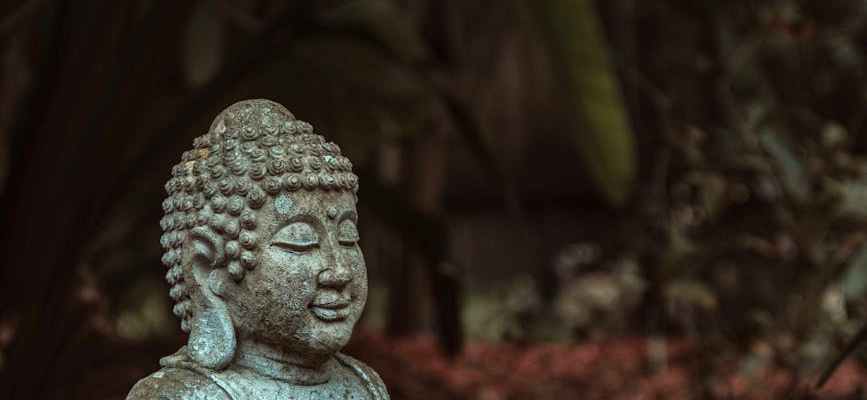
Karma is a concept that originated in ancient Indian religions, particularly Hinduism and Buddhism, and it has since become a widely recognized idea across various cultures and spiritual practices. At its core, karma refers to the spiritual principle of cause and effect. The word itself comes from the Sanskrit word meaning “action” or “deed.”
In its simplest form, karma can be understood as the law of moral causation. It suggests that every action we take, whether physical, verbal, or mental, creates an energy that will return to us in the future. This energy is believed to manifest as either positive or negative consequences, depending on the nature of the action itself.
Here’s a breakdown of how karma works:
- Action: Karma begins with an action. This can be anything from a thought or intention to a physical deed or spoken word.
- Intention: In many interpretations of karma, the intention behind the action is crucial. Positive intentions are believed to lead to positive outcomes, while negative intentions may result in negative consequences.
- Consequence: The action sets off a chain of cause-and-effect events. The consequences may not always be immediate or obvious, but they are thought to unfold over time, sometimes across multiple lifetimes in the context of reincarnation beliefs.
- Reciprocity: Karma operates on the principle of reciprocity. Just as we sow, so shall we reap. This means that the energy we put out into the world eventually returns to us in some form.
- Responsibility: Karma emphasizes personal responsibility for our actions. It suggests that we are accountable for the choices we make and the impact they have on ourselves and others.
- Balance: Karma is often seen as a force that maintains balance in the universe. Positive actions contribute to positive energy, while negative actions create disturbances that need to be balanced out.
It’s essential to note that karma is not about punishment or reward in a strict sense. Instead, it’s about learning and growth. Positive karma can lead to personal growth, happiness, and spiritual advancement, while negative karma may result in suffering or obstacles that provide opportunities for learning and transformation.
While karma is deeply rooted in spiritual and philosophical traditions, its principles can also be interpreted in secular contexts as a reflection of the interconnectedness of actions and their consequences in our lives and in the world around us. Whether viewed through a spiritual lens or not, the concept of karma encourages mindfulness, ethical behavior, and compassion towards others.
Copyright © Linda C J Turner 2023 LindaCJTurner.com All Rights Reserved.
All content on this website, including text, images, graphics, and other material, is protected by copyright law and is the property of Linda C J Turner unless otherwise stated. Unauthorized use or reproduction of the content in any form is prohibited.
 Linda C J Turner | Trauma Therapist & Emotional Healing Specialist