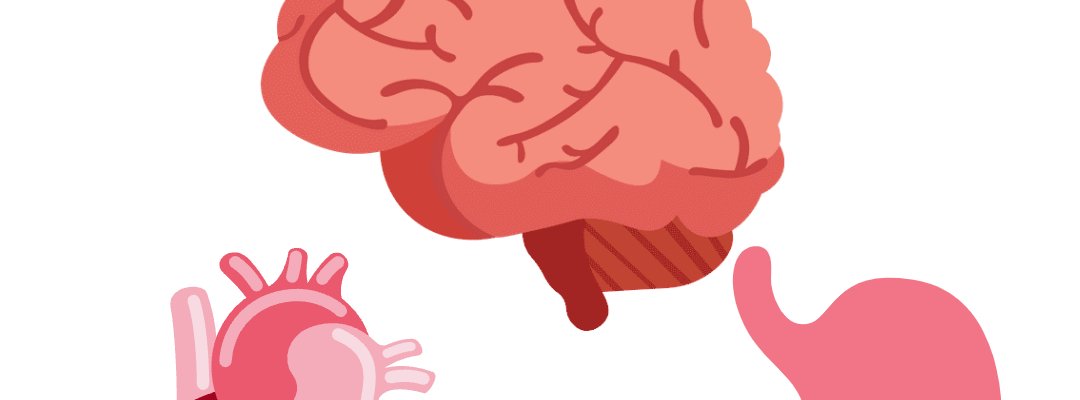
The vagus nerve, also known as the tenth cranial nerve or CN X, is a complex and essential part of the autonomic nervous system. It plays a crucial role in regulating various bodily functions and has relevance in therapy, particularly in addressing stress, anxiety, and trauma. Here’s an explanation of the vagus nerve and its significance in therapy:
Vagus Nerve Overview: The vagus nerve is the longest of the cranial nerves and has both sensory and motor functions. It originates in the brainstem and extends down through the neck, chest, and abdomen, connecting to various organs. It’s often referred to as the “wandering nerve” because of its extensive reach throughout the body.
Relevance in Therapy: The vagus nerve has several important functions, and its relevance in therapy lies in its role in regulating the autonomic nervous system, which controls involuntary bodily functions. Here are ways in which the vagus nerve is relevant to therapy:
- Stress Regulation: The vagus nerve is a key component of the parasympathetic nervous system, often referred to as the “rest and digest” system. When activated, it promotes relaxation and helps the body recover from stress. Therapists may teach clients techniques to stimulate the vagus nerve, such as deep breathing and mindfulness, to reduce stress and anxiety.
- Trauma and Emotional Regulation: In trauma therapy, the vagus nerve’s role in emotional regulation is significant. Traumatic experiences can dysregulate the autonomic nervous system, leading to chronic states of hyperarousal or hypoarousal. Therapists may work with clients to restore balance to the autonomic nervous system, often by targeting the vagus nerve’s functioning.
- Polyvagal Theory: The Polyvagal Theory, developed by Dr. Stephen Porges, emphasizes the role of the vagus nerve in regulating social engagement and emotional states. Therapists use this theory to understand and work with clients who have experienced trauma, helping them re-establish safety and connection.
- Heart Rate Variability (HRV): HRV, which measures the variation in time between consecutive heartbeats, is influenced by the vagus nerve. High HRV is associated with better emotional regulation and resilience. In therapy, clients with low HRV may be guided to improve it through techniques that stimulate the vagus nerve.
- Mind-Body Connection: The vagus nerve connects the brain to the heart, lungs, digestive organs, and more. Therapy often explores the mind-body connection and may incorporate techniques like biofeedback, meditation, and yoga to improve vagal tone and overall well-being.
Opinion: Understanding and working with the vagus nerve is an important aspect of trauma-informed therapy. The vagus nerve’s role in regulating stress and emotions highlights the interconnectedness of the mind and body, offering valuable tools for therapists to help clients achieve emotional regulation and overall well-being.
Copyright © Linda C J Turner 2023
 Linda C J Turner | Trauma Therapist & Emotional Healing Specialist