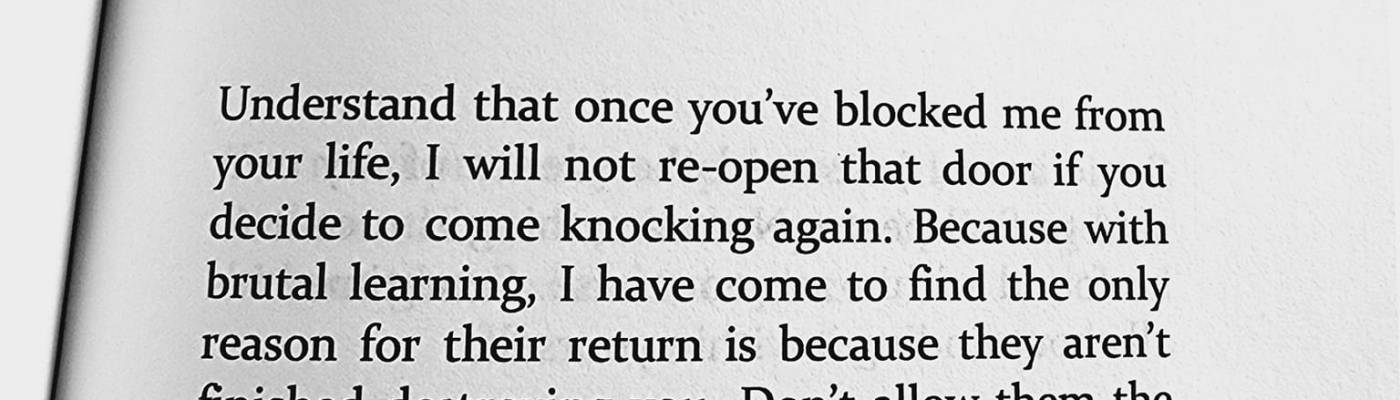
Blocking family members can have unique and complex impacts due to the deep emotional ties and history involved. Let’s delve into the potential effects and considerations when blocking family members:
1. Strained Relationships: Blocking a family member can lead to strained relationships within the family unit. It can create tension, hurt feelings, and a breakdown in communication, which might have broader effects on family dynamics.
2. Escalation of Conflict: Blocking a family member can be seen as an escalation of conflict. It may send a message that traditional means of resolving differences or misunderstandings have failed.
3. Emotional Impact: For both the blocker and the blocked family member, there can be a significant emotional impact. It might lead to feelings of rejection, anger, sadness, and even a sense of betrayal, depending on the circumstances.
4. Family Unity: Family is often considered a source of support and unity. Blocking a family member may disrupt this unity and make gatherings and family events more challenging.
5. Long-Term Consequences: Decisions to block family members can have long-lasting consequences. Reconciliation may become more difficult, and family bonds may be strained for an extended period.
6. Protective Measure: In some cases, blocking a family member can be a protective measure. For instance, in situations of abuse or harassment, it may be necessary to establish boundaries and ensure personal safety.
7. Seeking Mediation: In family conflicts, seeking mediation or counseling can be an alternative to blocking. A neutral third party can help facilitate communication and understanding.
8. Efforts to Reconnect: While blocking can be a defensive measure, it should ideally be followed by efforts to resolve the underlying issues and reconnect with the family member when it’s safe and emotionally feasible.
Opinion: Blocking a family member is a decision that should not be taken lightly. It should be a last resort in situations where personal safety or well-being is at risk. It’s often more constructive to explore open communication, seek mediation, or professional assistance in resolving family conflicts. Ultimately, family relationships are valuable, and finding ways to navigate issues with care and empathy is crucial.
Copyright © Linda C J Turner 2023
 Linda C J Turner | Trauma Therapist & Emotional Healing Specialist