Constant Cruelty

Constant negativity, lack of humor, coldness, and cruelty can be signs of deeper emotional, psychological, or interpersonal issues. While these behaviors are painful to encounter, they often stem from underlying causes. Understanding the potential roots of these traits can provide clarity and guide appropriate responses. Possible Causes of Constant Negativity, Coldness, and Cruelty 1. Psychological… Read More Constant Cruelty

The Healing Power of Giving Back

Survivors of domestic abuse often carry with them a wealth of knowledge and understanding about the challenges victims face, from navigating toxic relationships to finding the strength to rebuild their lives. By volunteering, they can provide a compassionate ear and invaluable guidance to those who are currently where they once were. This act of service is mutually beneficial: helping others heal can reinforce a survivor’s own sense of strength and purpose, creating a virtuous cycle of empowerment.… Read More The Healing Power of Giving Back

Preparing for Court Case

Medical Records: Collect records of injuries or illnesses that were a result of the abuse. These may include emergency room visits, ongoing treatments, or long-term health consequences.

Chronological Order: Present the records in a way that highlights a pattern of abuse over time.

Statements from Practitioners: If possible, request written statements from your doctors summarizing the link between the abuse and your physical health outcomes.

Photographic Evidence: If available and appropriate, include photos of visible injuries documented by medical professionals.… Read More Preparing for Court Case

Enjoyment of Abuse

Some individuals may derive a sense of power or control from inflicting harm on others. This is not simply a matter of reacting impulsively or out of frustration but can be a more calculated and deliberate attempt to assert dominance.

Psychological Reward: For individuals who enjoy abusing others, the act of control or manipulation can be deeply rewarding, providing them with a sense of superiority or validation.

Personality Disorders: Certain personality disorders, such as Narcissistic Personality Disorder (NPD) or Antisocial Personality Disorder (ASPD), can involve traits like a lack of empathy, disregard for others’ rights, and a tendency to abuse those they perceive as weaker or subordinate. Refusal to Seek Help: When someone refuses to acknowledge their behavior or take responsibility for their actions, it shows a lack of insight and a resistance to change. This refusal often comes from a desire to maintain their power over others and avoid confronting their own flaws or damaging behaviors.… Read More Enjoyment of Abuse

Emotional Numbness

Cause: Often a defense mechanism triggered by overwhelming stress, trauma, or prolonged emotional pain.

What It Looks Like: The individual may seem detached or unable to feel or express emotions, resulting in a blank or neutral facial expression.

Example: Someone recovering from a significant loss or abuse might “shut down” emotionally as a coping mechanism.… Read More Emotional Numbness

Filters and gagging orders

Abusers and bullies often rely on control and silence to maintain their power and avoid accountability. Filters, metaphorically speaking, or outright gagging orders serve as tools to suppress the truth and keep others from sharing their experiences or exposing harmful behavior.

Speaking up is a form of reclaiming power and can be incredibly liberating. It also sheds light on the dynamics of abuse, encouraging others to come forward and dismantle those cycles. Of course, how and when to speak up is deeply personal and situational—some choose to use their voices publicly, while others focus on healing privately.

It’s essential to remember that your voice is your power. No one has the right to dictate your narrative or silence your truth, especially if it’s part of your healing and growth. The more people who feel empowered to share their experiences, the harder it becomes for bullies and abusers to hide in the shadows. Keep standing strong!… Read More Filters and gagging orders
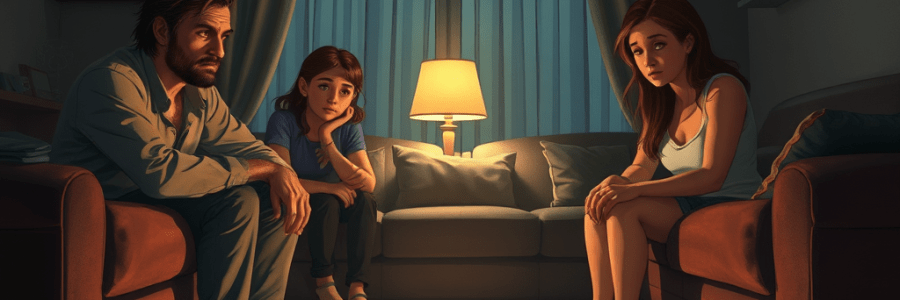
Unresolved Trauma

A child who witnesses domestic abuse, particularly against their mother, often carries the weight of that trauma into their adult relationships. The effects can include:Unresolved anger: The child may feel powerless and frustrated for not being able to protect their mother at the time. This anger, if not processed, often festers and finds outlets in later relationships.Distrust and defensiveness: Exposure to abuse can lead to heightened sensitivity to perceived threats, especially in familial or intimate relationships.Misplaced blame: The son may subconsciously associate the stepmother with the father, projecting unresolved feelings onto her, even if she is uninvolved in the original abuse.… Read More Unresolved Trauma