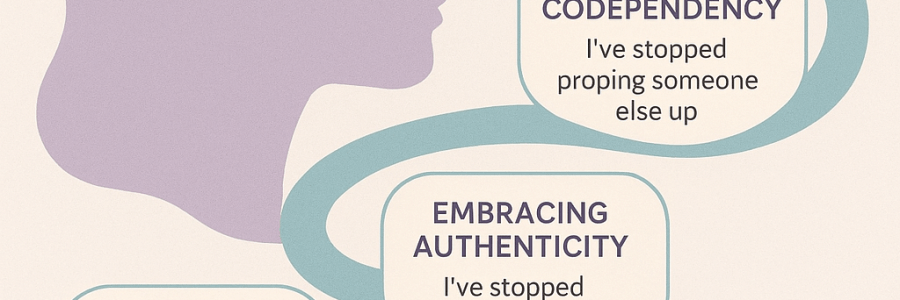
The Tactic: Exploitation of Resources Without Reciprocity

Some people use charm, intimacy, or emotional manipulation to gain financial, domestic, or logistical support from their partner while contributing little or nothing in return. Common behaviours: Example:A partner moves in and promises to “help with the bills later,” but never does, while continuing to enjoy meals, utilities, and travel expenses. 2️⃣ The Risk: Long-Term Financial and… Read More The Tactic: Exploitation of Resources Without Reciprocity
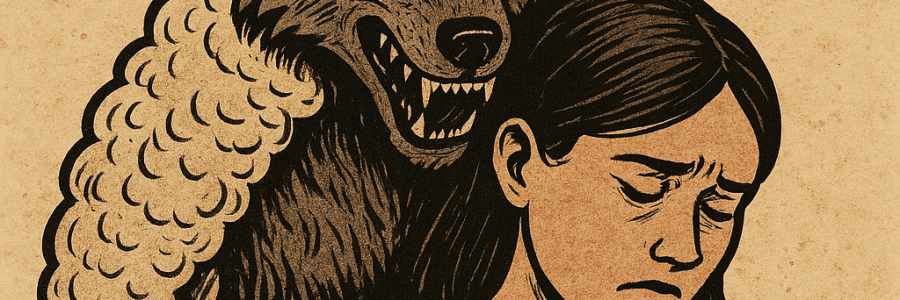
Why Some Men Seek Vulnerable Women to Exploit

Certain men intentionally target women who: Motivation 🧠 Neurological reinforcement: Their brain associates your compliance + trust → reward (control, pleasure, gain), strengthening the pattern over time. 2️⃣ The Trust Cycle That Leads to Nervous System Reset Here’s how the danger unfolds: The nervous system is saying: “This is unsafe; reset and protect.” 3️⃣ How to Slow It Down… Read More Why Some Men Seek Vulnerable Women to Exploit

Trusting or Being Intimate Too Soon

When you allow trust or intimacy to build faster than the other person proves reliability, your nervous system is essentially “rewiring” based on incomplete data. Consequences: The system has learned: “Connection + danger = chaos.” Rushing rewards can trigger old survival responses. 2️⃣ When They Don’t Answer Your Questions or Are Evasive Evasion signals that they may be protecting themselves… Read More Trusting or Being Intimate Too Soon

1️⃣ Visual “Road to Safety in New Relationships”

Think of this as a stepwise journey, showing how trust, boundaries, and emotional reward rebuild over time: 2️⃣ Specific Exercises to Test Trust Safely Exercise Purpose How to Apply Safely Low-Stakes Requests Test reliability Ask for small favors or follow-throughs; observe consistency Boundary Enforcement Drill Test respect for limits Say “I need space” or “I’m not… Read More 1️⃣ Visual “Road to Safety in New Relationships”

Healing Through Relationships

Entering a new relationship after decades of cruelty and abuse is a profound and delicate process. It’s not just about finding the right partner — it’s about rewiring your nervous system, reclaiming trust, and protecting your boundaries. Here’s a clear, structured overview: 1️⃣ Understand the Impact of Long-Term Abuse After long-term abuse, survivors often experience: Your nervous system… Read More Healing Through Relationships

Why Silence Protects Survivors During Escalation

Escalation is the most dangerous phase in abusive dynamics because regulation is failing. Silence works because it removes the very signals escalation feeds on. 1️⃣ Escalation Requires Feedback — Silence Removes It During escalation, the abuser’s nervous system is: They are scanning for: 🧠 Silence provides none. ➡️ Without feedback, the brain cannot calibrate intensity.➡️ This creates hesitation instead… Read More Why Silence Protects Survivors During Escalation

1. Why abusers mistake silence for submission

Abusers are trained by cause–effect feedback. Earlier in the relationship: So when silence appears, their brain runs an old rule: “Silence means it’s working.” But post-flip silence is not fear-based.It is attachment shutdown. The misread happens because: So they escalate to “wake you up”: When none of it works, panic sets in. What they feel as loss of controlyou are… Read More 1. Why abusers mistake silence for submission

The exact moment the survival exit flips

The “survival exit” does not flip during the worst abuse. It flips during clarity. That’s the part most people misunderstand. What happens before the flip Before the switch, the person is still in attachment mode, even if they are suffering. Neurologically, they are operating from: Their nervous system still believes: “This relationship is dangerous, but it is also necessary.” As long… Read More The exact moment the survival exit flips

Why coercive control always backfires in the end

Abuse, control, and manipulation are often used with one goal in mind:to stop someone from leaving. But biologically and psychologically, they do the opposite. They trigger survival escape, not attachment. The survival switch that cannot be controlled When a person is subjected to: their nervous system eventually stops trying to fix the relationship and switches to escape mode. At… Read More Why coercive control always backfires in the end

After the Exit: What Happens to Them — and What’s Returning to You

Leaving a coercive, exploitative relationship doesn’t just end proximity.It changes the entire neurological and psychological system that held the abuse in place. What follows explains five things that often emerge after separation — and why each one is a sign of recovery, not damage. 1. Why Abusers Unravel After Separation Abuse is not sustained by confidence — it is sustained… Read More After the Exit: What Happens to Them — and What’s Returning to You