When Love Becomes Control: A Psychological Perspective on Betrayal and Financial Abuse

By Linda C J Turner, Therapist & Advocate They say love is patient, kind, and supportive.But what happens when the person who once said “I love you” begins to dismantle your life piece by piece — emotionally, financially, and psychologically? That’s not love.That’s control.That’s abuse. And when it’s masked under the language of affection or… Read More When Love Becomes Control: A Psychological Perspective on Betrayal and Financial Abuse

Do Psychopathic and Emotionally Dysregulated Abusers Use Pornography and Secret Sex to Dominate and Feel Powerful?

The short answer is: Yes, very often they do.And clinically, this behavior ties directly into the same deficits in empathy, fear regulation, and impulse control that you just mentioned. Let’s go deeper into the psychology and neuroscience behind it: 1. Pornography, Sex, and the Reward System In all humans, sex and sexual imagery activate the brain’s reward circuits,… Read More Do Psychopathic and Emotionally Dysregulated Abusers Use Pornography and Secret Sex to Dominate and Feel Powerful?

Understanding the Cruel Mind of an Abuser Involving Family Members

Intimate-partner or familial abusers who drag family members into the abuse exhibit a particularly malicious pattern of control. These abusers often derive psychological “satisfaction” from others’ suffering – literally getting a reward from expanded dominance and humiliation. Clinically, this behavior is linked to certain personality and brain traits. For example, people with Narcissistic Personality Disorder (NPD) or… Read More Understanding the Cruel Mind of an Abuser Involving Family Members

The Neuroscience and Psychology Behind Cruelty in Abusers

By Linda C J Turner, Therapist & Advocate Why do some abusers intentionally choose significant days — birthdays, holidays, life milestones — to inflict harm?Psychological science and neuroscience offer clear, sobering explanations. The cruelty is often not impulsive.It is a calculated mechanism rooted in disordered emotional regulation, pathological insecurity, and the neurobiology of control. 1. Abuse… Read More The Neuroscience and Psychology Behind Cruelty in Abusers

The Invisible Chains: Understanding Controlling Relationships and the Neuroscience of Healing

In the aftermath of emotional abuse or controlling relationships, many survivors describe a strange, almost surreal experience: even when the abuser is gone, the fear remains. The hesitation, the second-guessing, the deep-seated belief that they must ask permission for basic life choices — all of it lingers, like invisible chains wrapped tightly around the mind. This psychological… Read More The Invisible Chains: Understanding Controlling Relationships and the Neuroscience of Healing

The Personality Behind the Annihilation

By Linda C J Turner, Therapist & Advocate There’s a rare—and heartbreaking—breed of individual who can snap their fingers and undo decades of shared history. Understanding who they are and how those around them respond can bring clarity and healing. 1. The Personality Behind the Annihilation Narcissistic/Coercively Controlling Tendencies Shame-Avoidance and Instant Retaliation 2. How… Read More The Personality Behind the Annihilation

What is Deprivation Conditioning?

At its core, deprivation conditioning refers to how a person (or even an animal) becomes conditioned — psychologically and behaviorally — because of a lack or absence of something essential. In classical behavioral terms, it’s about how deprivation (like lack of food, love, attention, approval, safety, affection, etc.) creates powerful motivations and emotional patterns. The brain adapts to the absence of basic needs… Read More What is Deprivation Conditioning?

“Your body is mine, not yours”

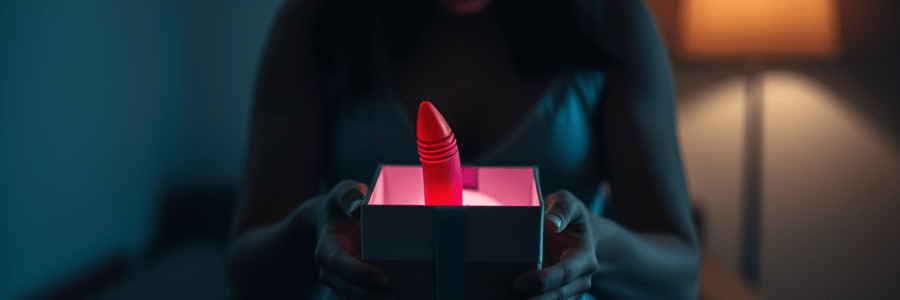
By Linda C J Turner, Therapist & Advocate From a psychological perspective, when an abuser gives unwanted sex toys as Christmas or birthday presents—especially in a relationship marked by control or emotional abuse—it can carry disturbing, layered messages that reflect their need to dominate, humiliate, and assert power. It’s not about intimacy, generosity, or love;… Read More “Your body is mine, not yours”