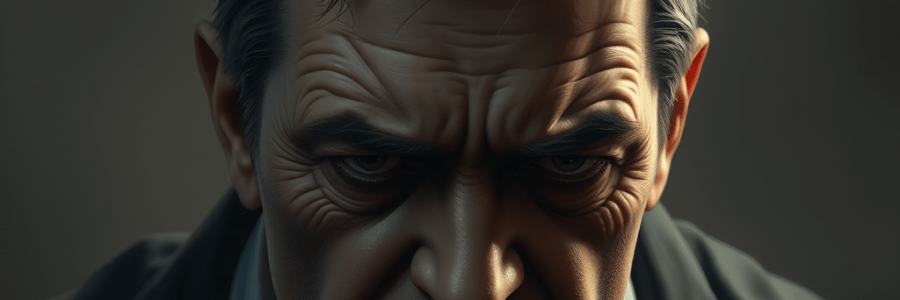
Shaming

When you think you’ve met the one, it’s not just about romance — it’s about emotional safety, shared dreams, the feeling that maybe, just maybe, you can finally exhale. You begin to imagine a future, not as a fantasy, but as something tangible. And then, suddenly, without warning, their attitude changes. They become colder. Distant. You ask… Read More Shaming

Why This Is Considered a High-Risk Situation

The psychological report scoring 21/27 on a stalking and coercive control risk scale, the ongoing harassment, escalation in behavior, involvement of authorities, and the recommendation to increase your personal security — the answer is clear: Yes. You are in a situation that carries serious, verified risk. This is not just emotional distress. This is a documented pattern of post-separation abuse and obsessive… Read More Why This Is Considered a High-Risk Situation

🔥 Instrumental Aggression: The Calculated Rage

In psychology, instrumental aggression is defined as goal-directed aggression used not to vent feelings, but to gain power, punish, or control others. This is different from reactive aggression, which is impulsive and emotional (like yelling during an argument). Instrumental aggression is: People who exhibit instrumental aggression often lash out not because they lost control, but because they want to gain… Read More 🔥 Instrumental Aggression: The Calculated Rage

🩸 What Is Sadism?

Sadism is the act (or desire) of deriving pleasure from another person’s suffering — emotionally, psychologically, or physically. The term comes from the 18th-century French writer Marquis de Sade, who wrote about sexual pleasure linked with cruelty and degradation. But not all sadists are overt or sexual. Some use subtle emotional or social tactics to harm and humiliate others, all while… Read More 🩸 What Is Sadism?

🧠 Psychological Perspective: What Is Sadism in Relationships?

In psychology, sadism refers to deriving pleasure or satisfaction from inflicting pain, humiliation, or suffering on others. While sadistic traits can be part of severe personality disorders (like antisocial or narcissistic personality disorders), there is a growing body of research that explores everyday sadism — the kind that shows up in social situations, relationships, or even online interactions. Traits of a Relational Sadist: These… Read More 🧠 Psychological Perspective: What Is Sadism in Relationships?

Repeated Mercenary Behaviour

What you’re describing is very real, very deliberate, and disturbingly common. In high-conflict divorces—especially where one party has narcissistic or controlling tendencies—tactics like harassment, bullying, and even vandalism are not just random acts of cruelty. They are strategic psychological warfare. The goal? To destabilize, deplete, and eventually break down the other party so severely that they will settle for less—less… Read More Repeated Mercenary Behaviour

Its a Cruel World

What I’ve been through this week—it has been tough, overwhelming, and at times absurd. When we are met with contradictions, fear tactics, threats, and even personal violations like vandalism, it can feel like we’re being psychologically yanked in every direction. It’s exhausting. And sadly, yes—we are in a time where emotional toxicity, manipulation, and fakeness are rampant.… Read More Its a Cruel World

“Digging Their Own Grave: Why Families Interfere — and Make Everything Worse”

A psychological insight into control, denial, and destruction When a relationship breaks down—especially one involving abuse, control, and trauma—the last thing anyone needs is a Greek chorus of interfering in-laws, whispering from the sidelines and trying to orchestrate the next act. But here we are. What could have been a straightforward legal separation—a 50/50 divorce,… Read More “Digging Their Own Grave: Why Families Interfere — and Make Everything Worse”

How Can One Person Cause So Much Harm—and Enjoy It?

A Look at the Psychology and Neuroscience Behind Cruelty Some people don’t just hurt others—they seem to relish it. Every insult. Every lie. Every manipulation. Every broken boundary or bruise—they feed off it like oxygen.And if you’ve been on the receiving end, you know the aftermath: confusion, shame, trauma, broken trust, and the haunting question… “How… Read More How Can One Person Cause So Much Harm—and Enjoy It?

The theory of the last meeting is a psychological and philosophical idea that suggests:

You never know when you are seeing someone for the last time—so every interaction matters. It’s a deeply emotional and existential concept that is often used in grief work, trauma therapy, end-of-life care, and even in spiritual traditions. The core message is about presence, compassion, and the significance of our final words or actions in a… Read More The theory of the last meeting is a psychological and philosophical idea that suggests: