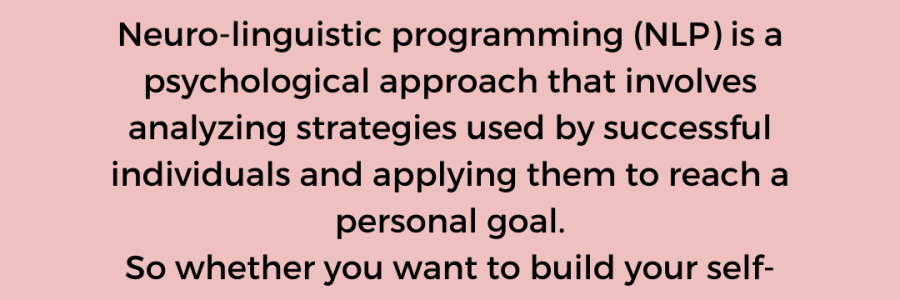
Here’s how NLP can be used in therapy

I think NLP can be a valuable tool in therapy when used appropriately. It provides practical and structured methods for addressing a range of psychological issues, including trauma. However, it’s essential to use NLP in conjunction with evidence-based therapeutic approaches and ensure that it’s applied ethically and with the client’s best interests in mind.… Read More Here’s how NLP can be used in therapy

EXCUSES PEOPLE GIVE TO AVOID GOING TO TALK THERAPY (AND WHY THEY SHOULD REALLY RETHINK THEM)

If you’ve been reading the Invisible Scar articles for some time, you know that we are proponents of therapy. We don’t espouse a specific psychological approach nor do we care whether you choose a psychologist, psychiatrist, therapist, or counselor. We do care about Invisible Scar readers, though, and so we repeat (often) the phrase please seek professional counseling.… Read More EXCUSES PEOPLE GIVE TO AVOID GOING TO TALK THERAPY (AND WHY THEY SHOULD REALLY RETHINK THEM)

NLP Practitioner

Phew, after 5 months of study and hard work finally passed, Hypnotherapy and CBT next.   Course Title: NLP Practitioner Course Overall Grade: Distinction Overall Percentage: 95% Overall strengths of assessment including understanding demonstrated: Exceptional work, your answers were accurate, informative and well-presented which highlighted an excellent insight and understanding of the course content. Congratulations!

Neuro-linguistic programming (NLP)

Neuro-linguistic programming (NLP) is a pseudoscientific approach to communication, personal development, and psychotherapy created by Richard Bandler and John Grinder in California, United States, in the 1970s. NLP’s creators claim there is a connection between neurological processes (neuro-), language (linguistic) and behavioral patterns learned through experience (programming), and that these can be changed to achieve specific goals in life.[1][2] Bandler and Grinder also claim that NLP… Read More Neuro-linguistic programming (NLP)