Protective Measures After Divorce & in Domestic Violence Cases (Medidas Cautelares)

Even after a divorce, survivors of abuse may require ongoing protection. Spanish law provides temporary legal tools to ensure safety, protect children, and prevent harassment. 1. Restraining Orders (Orden de Protección) 2. Custody and Visitation Protections 3. Housing Protections 4. Financial Safeguards 5. Communication and Harassment Restrictions 6. Police or Court Monitoring 7. How to Request… Read More Protective Measures After Divorce & in Domestic Violence Cases (Medidas Cautelares)
Protective Measures (Medidas Cautelares) in Spain

Protective measures are temporary legal actions designed to ensure the safety of victims and their children while legal proceedings, including divorce or criminal cases, are ongoing. These are often granted by the Juzgado de Violencia sobre la Mujer (Domestic Violence Court). 1. Types of Protective Measures a) Restraining Orders (Orden de Protección) b) Temporary Custody or Visitation Limits c) Removal from… Read More Protective Measures (Medidas Cautelares) in Spain

Protecting Yourself After Divorce: A Survivor’s Guide

Even after the divorce is finalized, safety, boundaries, and emotional wellbeing remain top priorities. Survivors of abuse often face ongoing harassment, stalking, or attempts to manipulate outcomes. 1. Legal Protections 2. Technology Safety 3. Personal Safety Planning 4. Emotional and Psychological Protection 5. Ongoing Monitoring and Documentation 6. Rebuilding Autonomy Key Message: Post-divorce safety is about legal… Read More Protecting Yourself After Divorce: A Survivor’s Guide

Survivor Roadmap: Divorce Through the Domestic Violence Court (Spain)

A step-by-step guide to help you understand what to expect, what documents to prepare, and what protective measures are available. Step 1: Seek Safety & Legal Support Key Tip: Keep your phone charged and communications secure; avoid confronting the abuser directly. Step 2: Gather Evidence Collect all documentation that demonstrates abuse or harassment: Tip: Organize evidence chronologically… Read More Survivor Roadmap: Divorce Through the Domestic Violence Court (Spain)

Neuroscience & Psychological Mechanisms Behind This Behaviour

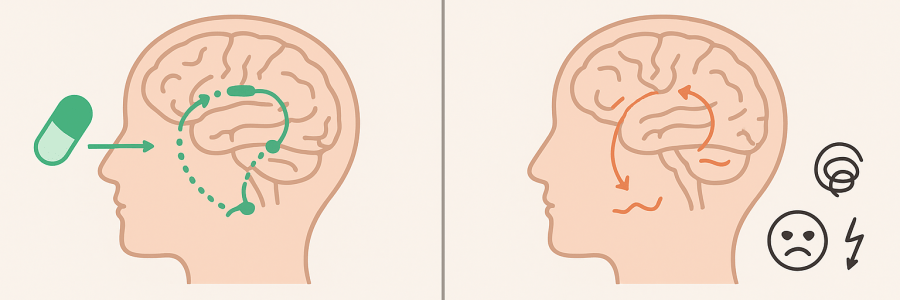
Below is a clear breakdown of why people engage in sustained coercive harassment, even when legal boundaries exist. 1. Threat-Based Brain Activation (“Survival Mode”) When someone fears losing control, status, or assets, the brain’s amygdala goes into high-alert.This creates: This pattern shows a shift from logical reasoning (prefrontal cortex) to survival-driven emotional reactivity (amygdala). 2. Coercive Control Circuits (Power–Reward Loop) People who harass to… Read More Neuroscience & Psychological Mechanisms Behind This Behaviour

My Day In Court

MASTER LIST 1. Financial Documents 2. Medical & Health Documentation 3. Digital Evidence 4. Will, Legal, and Estate Documents 5. Police, Legal & Official Reports 6. Witness Evidence 7. Property, Security & Surveillance Evidence 8. Communications & Intimidation 9. Miscellaneous but Critically Important The list goes on

Retaining and Maintaining Evidence: Why It Matters and How to Do It Properly

Why Retaining Evidence Matters How to Retain and Maintain Evidence Properly Practical Tips In summary: Retaining and maintaining evidence is critical for legal integrity, personal protection, and accurate record-keeping. By carefully identifying, storing, documenting, and safeguarding evidence, you preserve its value and ensure it can be relied upon in any formal investigation or dispute.

Retaining and Maintaining Evidence: Why It Matters and How to Do It Properly

When someone’s story does not match the documented reality — when the lies collide with the evidence — the most important thing you can do is preserve the truth safely, legally, and in a way that can stand in court. Evidence tells the story.Evidence protects you.Evidence cannot be intimidated, manipulated, or gaslit. Below is a clear… Read More Retaining and Maintaining Evidence: Why It Matters and How to Do It Properly

High Risk / Extreme Risk under violencia de género

Here’s a detailed explanation of the types of records the Guardia Civil keeps in cases like yours (High Risk / Extreme Risk under violencia de género), so you know exactly what exists and how it’s used: 1️⃣ Personal Information & Victim Profile The police maintain a file with: This helps the Guardia Civil respond quickly in an emergency. 2️⃣ Aggressor… Read More High Risk / Extreme Risk under violencia de género