The Psychology of Fake Success: Why Some People Pretend to Have It All

Some people wear success like a costume —designer smiles, borrowed confidence, rehearsed charm.They don’t chase joy; they chase perception.Because if they can make you believe they’re winning,maybe they can silence the voice that says they’re not enough. Psychology calls it impression management —a performance built on fear of rejection and a hunger for validation.They seek applause, not connection.They… Read More The Psychology of Fake Success: Why Some People Pretend to Have It All

The Psychology of Pretending: When Wealth and Success Are Just a Mask

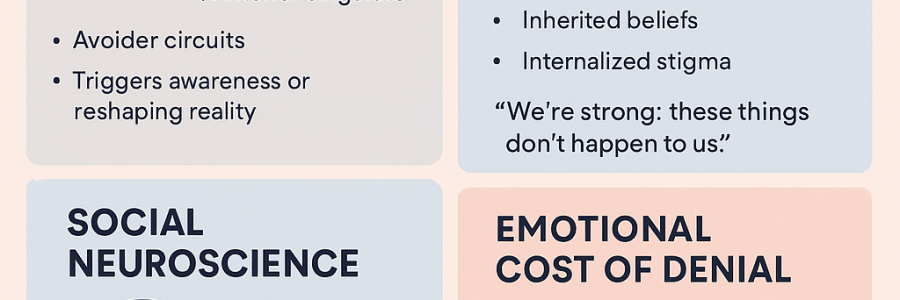
Some people wear luxury like armor. They flash cars, holidays, and designer labels not to express joy, but to hide emptiness.Behind the image of success, there’s often insecurity — a deep need to be seen, admired, or envied. It’s not confidence. It’s camouflage. The Psychology Behind the Performance Psychologists call this “self-enhancement” — exaggerating one’s image to… Read More The Psychology of Pretending: When Wealth and Success Are Just a Mask

Consistency and Trustworthiness: The Neuroscience of Betrayal and Repair

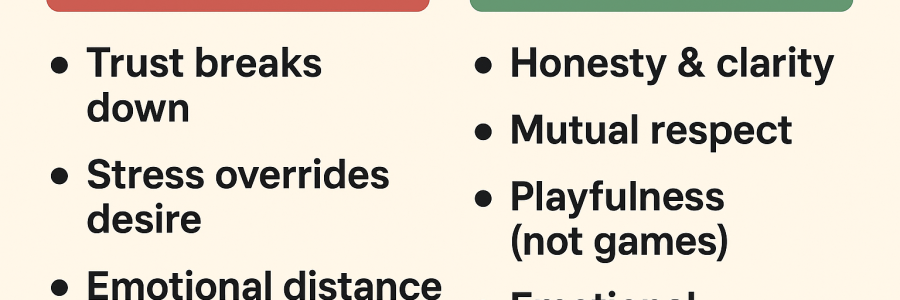
Transparency isn’t a single act — it’s a continuous rhythm between intention and behavior. Real trust is built through repetition: words aligning with actions, time after time. From a neuroscience perspective, this consistency literally wires safety into the brain. When someone behaves predictably and truthfully, your nervous system begins to relax. The brain releases oxytocin —… Read More Consistency and Trustworthiness: The Neuroscience of Betrayal and Repair

🌿 The Neuroscience and Psychology of Living Authentically

🧠 1. Truth Aligns the Brain — Lying Splits It When you’re honest, your brain operates in neural coherence — meaning your emotional brain (limbic system) and rational brain (prefrontal cortex) are in sync.There’s no need to suppress, edit, or hide information. This internal alignment creates calm, clarity, and focus. When you lie or live inauthentically, your brain must… Read More 🌿 The Neuroscience and Psychology of Living Authentically

The Neuroscience of Mixed Signals: Why “Let’s Stay Friends” Hurts More Than Goodbye

When someone says “Let’s stay friends” and then disappears, it can feel like a quiet kind of heartbreak — confusing, painful, and strangely unfinished.You’re left wondering: Did they mean it? Did I do something wrong? Why does this feel worse than a clean break?Neuroscience and psychology give us powerful answers. 🧠 Your Brain Craves Predictability The human brain is… Read More The Neuroscience of Mixed Signals: Why “Let’s Stay Friends” Hurts More Than Goodbye

🧠 Neuroscience: What Happens in the Brain

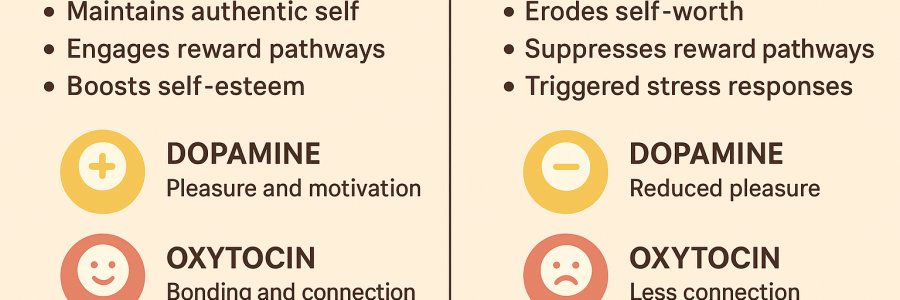
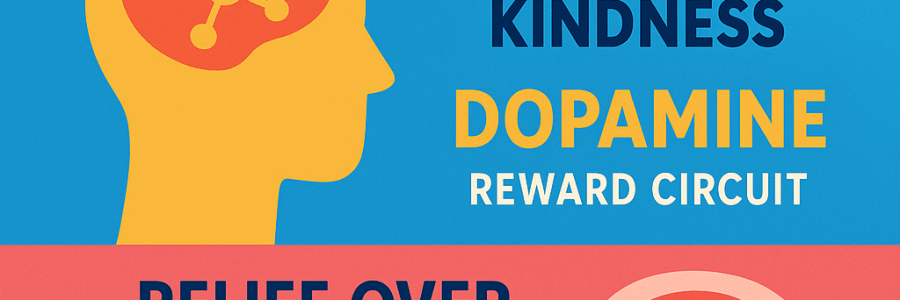
When someone says “let’s stay friends” and then ignores you, your brain experiences a kind of prediction error — what you expect (continued connection) doesn’t match what happens (silence or rejection). This mismatch activates: Your brain had already mapped that person into its social reward circuitry — dopamine, oxytocin, and endorphins reinforced that bond. When they pull away suddenly, your brain… Read More 🧠 Neuroscience: What Happens in the Brain

The Neuroscience of Coercive Control in Divorce: How Threats Hijack the Brain and How to Break Free

By Linda Carol When a relationship ends, it should bring space for calm. But for many survivors of coercive or emotionally abusive marriages, separation is not peace — it’s the beginning of a new battle for psychological freedom. Threats, intimidation, and manipulative contact often intensify just as the survivor tries to disconnect. Neuroscience helps us understand… Read More The Neuroscience of Coercive Control in Divorce: How Threats Hijack the Brain and How to Break Free

Learning to Love Again After Fear

Dating again while still being stalked or harassed by an ex after leaving a long marriage involves deep emotional, neurological, and psychological layers. Let’s unpack this from both neuroscience and psychology, and then look at what you can do to protect both your emotional safety and your new connections. 🧠 Neuroscience: What’s Happening in the Brain 1. Chronic threat keeps the brain… Read More Learning to Love Again After Fear