The Neuroscience of Mixed Signals: Why “Let’s Stay Friends” Hurts More Than Goodbye

When someone says “Let’s stay friends” and then disappears, it can feel like a quiet kind of heartbreak — confusing, painful, and strangely unfinished.You’re left wondering: Did they mean it? Did I do something wrong? Why does this feel worse than a clean break?Neuroscience and psychology give us powerful answers. 🧠 Your Brain Craves Predictability The human brain is… Read More The Neuroscience of Mixed Signals: Why “Let’s Stay Friends” Hurts More Than Goodbye

🧠 Neuroscience: What Happens in the Brain

When someone says “let’s stay friends” and then ignores you, your brain experiences a kind of prediction error — what you expect (continued connection) doesn’t match what happens (silence or rejection). This mismatch activates: Your brain had already mapped that person into its social reward circuitry — dopamine, oxytocin, and endorphins reinforced that bond. When they pull away suddenly, your brain… Read More 🧠 Neuroscience: What Happens in the Brain

The Neuroscience of Coercive Control in Divorce: How Threats Hijack the Brain and How to Break Free

By Linda Carol When a relationship ends, it should bring space for calm. But for many survivors of coercive or emotionally abusive marriages, separation is not peace — it’s the beginning of a new battle for psychological freedom. Threats, intimidation, and manipulative contact often intensify just as the survivor tries to disconnect. Neuroscience helps us understand… Read More The Neuroscience of Coercive Control in Divorce: How Threats Hijack the Brain and How to Break Free

Learning to Love Again After Fear

Dating again while still being stalked or harassed by an ex after leaving a long marriage involves deep emotional, neurological, and psychological layers. Let’s unpack this from both neuroscience and psychology, and then look at what you can do to protect both your emotional safety and your new connections. 🧠 Neuroscience: What’s Happening in the Brain 1. Chronic threat keeps the brain… Read More Learning to Love Again After Fear

🧠 Why Some People Pull Away: The Neuroscience of Fear, Shame, and Avoidance

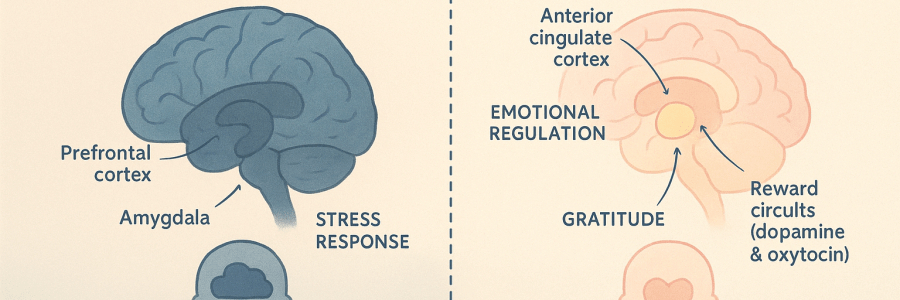
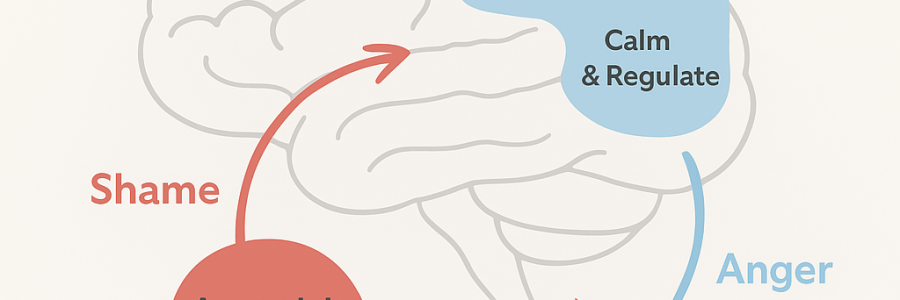
When someone says they’ll call, make plans, or express interest — and then disappears — it often feels personal, confusing, and painful. But neuroscience shows that these behaviors often reflect how their emotional brain circuits are operating, not a reflection of your worth. 1️⃣ The Role of the Amygdala: The Brain’s Alarm System The amygdala is the brain’s… Read More 🧠 Why Some People Pull Away: The Neuroscience of Fear, Shame, and Avoidance

🧠 What “Limbic Hijacking” Really Means

The term comes from Daniel Goleman (author of Emotional Intelligence) and refers to moments when the limbic system — the emotional center of the brain — overrides the prefrontal cortex, which is responsible for logic, reasoning, and self-control. In simpler terms: The emotional brain takes the driver’s seat, while the rational brain gets locked in the trunk. 🧩 The Brain Areas… Read More 🧠 What “Limbic Hijacking” Really Means

The Prefrontal Cortex: Impulse Control Breakdown

When someone repeatedly breaks a restraining order or keeps pursuing a victim despite the risk of arrest, they’re often driven by a combination of neurological dysfunction, emotional dysregulation, and learned behavior patterns — not simply “wanting punishment,” but an inability to regulate their impulses or tolerate loss of control. Let’s unpack what’s happening in their brain, step… Read More The Prefrontal Cortex: Impulse Control Breakdown

Synaptic Pruning: How the Brain Lets Go to Grow

When we talk about “letting go” emotionally, it often feels abstract — like advice easier said than done. But your brain actually knows how to let go at a biological level. This process is called synaptic pruning, and it’s one of the key ways your brain adapts, learns, and evolves throughout your life. What Is Synaptic Pruning? Your… Read More Synaptic Pruning: How the Brain Lets Go to Grow

What Felt Like an Ending Was Really the Making of You: The Neuroscience of Renewal

There are moments in life when everything seems to fall apart — the relationship ends, the job disappears, the familiar world collapses. It feels like death, not in the physical sense, but in the deep emotional sense of losing everything that once gave you identity, meaning, and belonging. Yet, neuroscience shows that what feels like… Read More What Felt Like an Ending Was Really the Making of You: The Neuroscience of Renewal