The Science of Knowing: When Connection Feels Undeniably Right

Sometimes the people around us don’t see what we see. Friends may raise eyebrows, outsiders may question, and logic may list reasons why a relationship “shouldn’t” work. And yet—when you look into someone’s eyes and feel warmth, safety, and a resonance you can’t fake—you know. This knowing is not wishful thinking. It is rooted in… Read More The Science of Knowing: When Connection Feels Undeniably Right

🔬 Neuroscience: The Stress Imprint on the Body and Face

When friends notice that you look better, lighter, more relaxed after leaving a marriage that caused chronic stress, they’re really picking up on deep physiological and neurological changes. Here’s why: 🔬 Neuroscience: The Stress Imprint on the Body and Face 🧠 Psychology: Emotional Weight vs. Freedom ✨ In short:Your friends aren’t just saying you “look better” — they’re… Read More 🔬 Neuroscience: The Stress Imprint on the Body and Face

Evasive

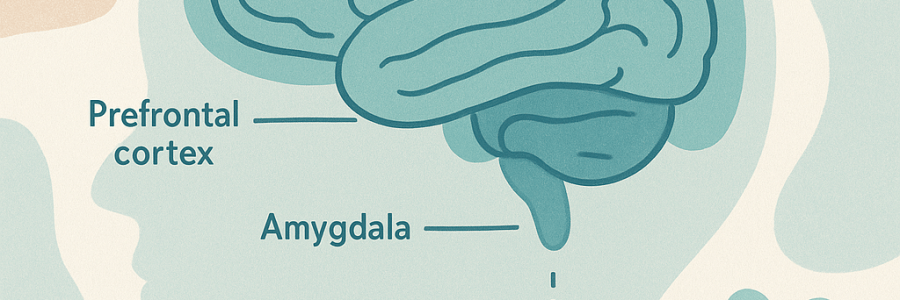
When someone is evasive, ignores a direct question, or makes excuses instead of answering, it feels not only rude, but also psychologically unsettling. Let’s unpack it through both psychology and neuroscience. 1. Why Some People Avoid Direct Answers (Psychology) 2. The Neuroscience of Evasiveness When someone perceives a question as threatening, their amygdala (the brain’s alarm system) activates. This can trigger: In these moments,… Read More Evasive

The Neuroscience of Emotional Exhaustion and Learned Helplessness

When humans are exposed to prolonged fear, control, or psychological manipulation, the effects go far deeper than emotions alone. Neuroscience shows us that chronic stress reshapes the brain and body in ways that explain why people become exhausted, numb, and even trapped in states of helplessness. Emotional Exhaustion and the Brain At its core, emotional… Read More The Neuroscience of Emotional Exhaustion and Learned Helplessness

1. Breathwork and the Autonomic Nervous System

Many tantric practices emphasize controlled breathing (pranayama). This isn’t just spiritual—it has a direct physiological effect: In essence, breathwork is a way to consciously shift the nervous system from stress (sympathetic) to relaxation and heightened awareness (parasympathetic). 2. Meditation, Visualization, and Neural Plasticity Tantric meditation often uses mantras (sounds), yantras (visual patterns), or guided imagery: 3. Energy Work and… Read More 1. Breathwork and the Autonomic Nervous System

🧠 Why Some People Tear Down What Attracts Them: The Neuroscience Behind Insecurity

It’s common to notice that people are initially drawn to confidence, vibrancy, and authenticity. These qualities shine—they light up a room and make others feel alive. But for some, that same light can trigger insecurity, jealousy, or fear, leading them to put you down in an attempt to make you small. 1. The Mirror of Insecurity… Read More 🧠 Why Some People Tear Down What Attracts Them: The Neuroscience Behind Insecurity

🌹 The True Meaning of “Class”

When people call you classy, they aren’t just noticing your style. They’re recognizing a set of qualities that reflect inner strength and integrity. 1. Grace Under Pressure Psychologically, “class” often means you handle life’s challenges with dignity. Even when you’ve been through pain or trauma, you don’t let bitterness define you. Neuroscience shows that resilience—the brain’s ability… Read More 🌹 The True Meaning of “Class”

Believing in Yourself Again: The Neuroscience of Reclaiming Worth

After years of being told cruel, diminishing things, genuine compliments can feel almost unbelievable at first. But the fact that multiple people are reflecting back “class,” confidence, and dignity shows how powerfully your inner healing is shining outward. Believing in Yourself Again: The Neuroscience of Reclaiming Worth When someone has spent years in an abusive environment, their… Read More Believing in Yourself Again: The Neuroscience of Reclaiming Worth

Coming Back to Life: The Neuroscience of Healing After Abuse

After months of isolation and abuse, stepping back into the world of friends, family, and community can feel like a rebirth. People often notice the change before you do—they comment on how much more relaxed you seem, how your face looks younger, how you carry yourself differently, and how your old confidence shines through. From… Read More Coming Back to Life: The Neuroscience of Healing After Abuse

Co-Regulation: The Science of Shared Emotional Stability

1. What It Is:Co-regulation is the process by which one person helps another manage their emotional state, usually by remaining calm, attentive, and responsive. This is especially important in moments of stress, fear, or dysregulation. While self-regulation is the ability to manage your own emotions internally, co-regulation relies on an external “anchor”—someone attuned to your… Read More Co-Regulation: The Science of Shared Emotional Stability