Cognitive Impairment

Psychosis: Ketamine’s dissociative effects, which include feelings of detachment from reality and hallucinations, can increase the risk of developing psychotic symptoms over time. This is particularly concerning in users who have a predisposition to mental health disorders like schizophrenia. Chronic use can induce delusional thinking, paranoia, and hallucinations, sometimes resembling a schizophrenic-like psychosis.

Cognitive Disorganization: People who use ketamine long-term may experience cognitive disorganization, which refers to disjointed thoughts, difficulty forming coherent ideas, and confusion. This can contribute to issues with communication and relationships.… Read More Cognitive Impairment
Drug-induced brain damage

fMRI can detect functional changes in the brain related to drug-induced damage, particularly in regions involved in cognition, emotion, and reward processing. While it provides valuable insights into how drugs affect brain activity, it is not typically used as a stand-alone diagnostic tool. Rather, it is often combined with other imaging techniques, clinical assessments, and neuropsychological evaluations to get a full picture of the brain damage and cognitive impairments caused by drug use.… Read More Drug-induced brain damage

Identifiable Mental Health Conditions on MRI

Certain mental health and brain issues can be detected through an MRI (Magnetic Resonance Imaging) scan, but it’s important to understand the limitations and capabilities of this technology in the context of mental health. MRI scans are highly effective in detecting structural abnormalities in the brain, but they are less direct when it comes to diagnosing specific mental health conditions, which are often more functional and biochemical in nature.… Read More Identifiable Mental Health Conditions on MRI

The Erosion of Empathy

The deliberate exposure of teenagers to violent or gruesome sights in an attempt to “toughen them up” is not just misguided—it is dangerous. It erodes their natural capacity for empathy, leading to emotional numbness, mental health issues, and dangerous behaviors toward family members and pets. Empathy is vital to healthy development, and when it’s compromised, the effects ripple through a teenager’s life in harmful ways. Rebuilding empathy through trauma-informed care, role modeling, and emotional support is essential for helping these teens develop into emotionally healthy adults capable of forming compassionate relationships.… Read More The Erosion of Empathy

Psychological Trauma

Exposing a teenager to violent or traumatic sights—whether it’s real-life violence, graphic imagery, or criminal activities—can result in emotional trauma. Teens are still developing cognitively and emotionally, and witnessing traumatic events can overwhelm their ability to process these experiences. This could lead to: Post-Traumatic Stress Disorder (PTSD): Repeated exposure to traumatic sights can lead to flashbacks, nightmares, and hypervigilance.

Emotional Numbing: To cope with the horrors they witness, the teenager may shut down emotionally, becoming desensitized not just to violence, but to other aspects of life, such as joy, compassion, or love.… Read More Psychological Trauma

How CBT Works for Substance Abuse

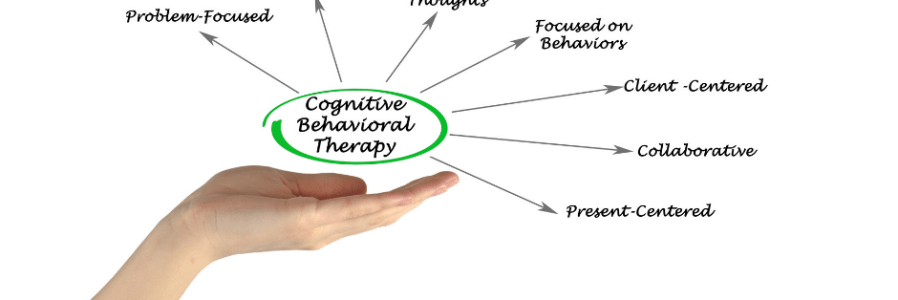
Cognitive Behavioral Therapy (CBT) is highly suitable for treating substance abuse and addiction. It is one of the most widely used therapeutic approaches for addressing the behavioral and emotional aspects of addiction. CBT has been found to be effective in helping individuals not only break free from substance abuse but also develop healthier coping mechanisms to manage triggers, cravings, and the psychological components of addiction.… Read More How CBT Works for Substance Abuse

Reinforcement of Negative Behaviors

Surrounding yourself with friends who share depressive moods and substance abuse tendencies can create a toxic environment that worsens both your addiction and your mental health. The collective reinforcement of negative behaviors, emotional contagion, and shared avoidance of problems makes it harder to break free from harmful patterns. To truly recover, finding support outside of that social circle—whether through therapy, healthier relationships, or support groups—can be crucial in escaping the grip of addiction and depression.… Read More Reinforcement of Negative Behaviors

Acknowledgment and Acceptance

Recovery from drug abuse is about so much more than just stopping the use of a substance. It’s a comprehensive, multifaceted process that requires deep emotional work, the rebuilding of self-esteem, and the establishment of a strong support network. A trauma-informed approach to recovery can be particularly powerful, as it helps individuals confront the root causes of addiction, allowing for not just sobriety, but true emotional and psychological healing.

If someone is ready to embark on this journey, it’s important to remind them they are not alone, and their willingness to seek help is an act of immense courage. Each step forward is a victory worth celebrating.… Read More Acknowledgment and Acceptance