🧠 Understanding OCD: The Neuroscience and Psychology Behind It

Obsessive-Compulsive Disorder (OCD) isn’t about being “neat,” “organized,” or “a perfectionist.” It’s a complex neuropsychological condition involving intrusive thoughts (obsessions) and repetitive behaviors or mental rituals (compulsions) that people feel driven to perform in order to reduce anxiety or prevent something bad from happening. 🧩 The Brain Circuits Involved Modern neuroscience shows that OCD involves dysregulation in specific brain circuits, particularly… Read More 🧠 Understanding OCD: The Neuroscience and Psychology Behind It
🧠 1. The neuroscience of denial: fear and self-protection

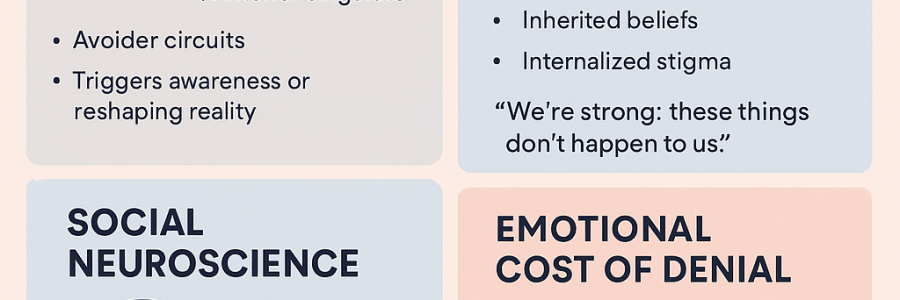
Denial is not just psychological — it’s neurobiological.When the brain encounters something threatening to identity, reputation, or emotional safety, the amygdala (fear center) and anterior cingulate cortex (conflict detector) activate.This triggers avoidance circuits — the brain unconsciously blocks awareness or reshapes reality to reduce emotional pain. In other words: “If I don’t admit it, I don’t have to feel it.” The brain… Read More 🧠 1. The neuroscience of denial: fear and self-protection

Why someone might need antipsychotic medication

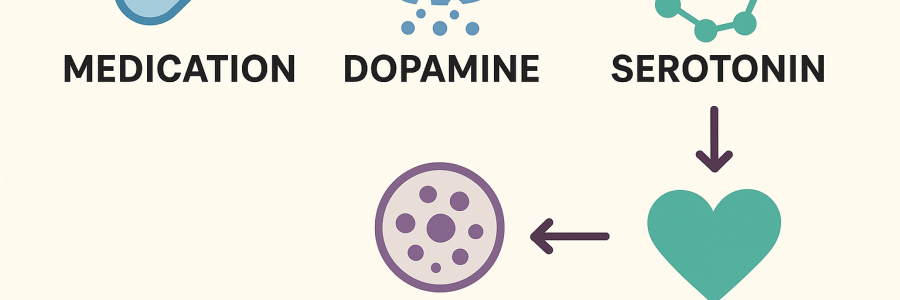
Why someone might need antipsychotic medication Antipsychotics aren’t only prescribed for schizophrenia (which many people assume). They can also be used for: Essentially, these medications help regulate brain chemistry, especially dopamine and serotonin, to reduce overwhelming symptoms like hallucinations, paranoia, mood extremes, or agitation—so that someone can live more stably and safely. Should they disclose this… Read More Why someone might need antipsychotic medication

💬 Should You Disclose Mental Health Disorders in a Relationship?

A psychological and neurological look at truth, trust, and safety in love. There’s no easy answer.Disclosing a diagnosis like psychosis, schizophrenia, antisocial personality disorder (ASPD), or other stigmatized conditions is a deeply personal decision. It can feel terrifying. Vulnerable. Risky.But it can also be freeing. Humanizing. Even life-changing. So… should you disclose?Let’s explore the why, when, and how — from both… Read More 💬 Should You Disclose Mental Health Disorders in a Relationship?

When Someone Is Dangerous — and the Family Lives in Denial

Witnessing deeply disturbing behavior — violent, predatory, unstable — and being told by family to ignore it for the sake of appearances. Meanwhile, the person in question might be spiraling, medicated, volatile, or even legally dangerous. Let’s break this into a powerful, educational social media article for awareness, especially for those caught in this terrifying silence. 🧠 When… Read More When Someone Is Dangerous — and the Family Lives in Denial

Manic-depressive disorder

manic-depressive disorder, which is now called bipolar disorder in modern psychology. This is a mental health condition that causes extreme mood swings, including emotional highs (mania or hypomania) and lows (depression). What is Bipolar Disorder? Bipolar disorder is characterized by episodes of: There are different types of bipolar disorder: What Causes Bipolar Disorder? The exact cause isn’t… Read More Manic-depressive disorder

Paranoia and Psychosis

It sounds like you’re dealing with someone who has a history of diagnosed mental health conditions, including paranoia and psychosis, and has previously taken prescribed medication for paranoid thoughts. When someone with these conditions starts projecting blame onto others, making false accusations, and twisting narratives while denying their own actions (such as stalking or changing car hire details),… Read More Paranoia and Psychosis

Lack of collective accountability.

While it’s easy to feel anger toward the family for their inaction, it’s worth considering that their avoidance likely stems from fear, guilt, or emotional paralysis rather than malicious intent. That said, this doesn’t excuse their behavior—it just provides insight into why they might act this way. Compassionate but firm confrontation is often necessary to disrupt these patterns.

Ultimately, the well-being of the person with psychosis must remain the priority. If the family won’t step up, external systems may need to be involved to ensure they receive the care and dignity they deserve.… Read More Lack of collective accountability.

Playing the Sympathy Card

In close relationships, like with family or a spouse, this behavior can lead to a breakdown in trust. Loved ones, who are often inclined to be supportive when they believe someone is genuinely ill, may eventually feel deeply betrayed if they realize the illness wasn’t real. Once trust is compromised in a relationship, it’s challenging to rebuild, especially when loved ones feel they were deceived on such a personal level.… Read More Playing the Sympathy Card