**🎵 Music, Healing & the Vagus Nerve:

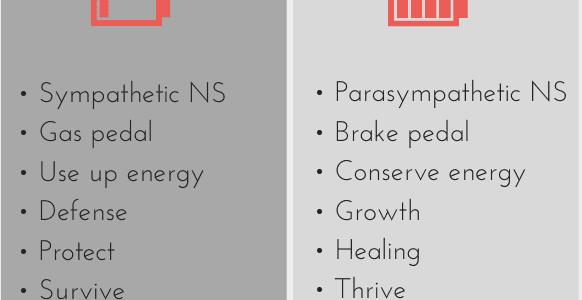
Why Certain Songs Make Your Body Exhale** 🧠 What Is the Vagus Nerve? It’s the longest calming nerve in your body — the “rest and restore” superhighway connecting: When it fires, your whole system shifts from: 🔥 fight/flightto🌿 calm safety mode This is why healing the vagus nerve transforms anxiety, trauma, and emotional sensitivity. And guess what… Read More **🎵 Music, Healing & the Vagus Nerve:

🧠 1. The Neuroscience Behind Discomfort in Crowds

The human brain constantly scans the environment for safety using the amygdala and autonomic nervous system.In a calm environment, the ventral vagal system (social engagement pathway) keeps you grounded and relaxed. But in crowds — with loud sounds, unpredictable movements, and strangers — your brain interprets this as sensory overload or even potential threat.This triggers: You may feel your heart race, your muscles… Read More 🧠 1. The Neuroscience Behind Discomfort in Crowds

🌿 How to Reset Your Nervous System After Mixed Signals

When someone’s words say “I care” but their actions say “I’m gone,” your body doesn’t just feel sad — it becomes confused at a biological level.The nervous system is wired to detect safety or threat, not maybe.Mixed signals keep it swinging between connection and rejection, flooding you with cortisol one moment and craving oxytocin the next.Healing means teaching your brain and body… Read More 🌿 How to Reset Your Nervous System After Mixed Signals

🧠 When You Know What You Don’t Want:

The Neuroscience of Rebuilding Direction and Desire There comes a time when you’re certain of what no longer fits — relationships, environments, or versions of yourself that feel constraining — yet you’re not quite sure what comes next.That in-between space can feel confusing or even empty. But from a psychological and neuroscientific perspective, it’s one… Read More 🧠 When You Know What You Don’t Want:

🌿 One Year of Growth: The Neuroscience of Becoming Yourself Again

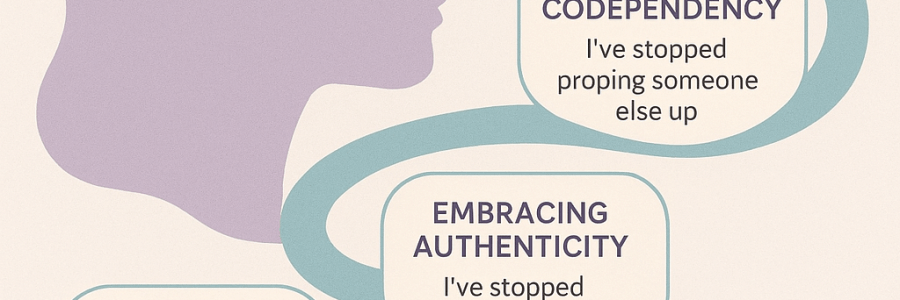
One year can change everything. Over the past twelve months, I’ve learned more about myself than in a lifetime. I’ve discovered strength I didn’t know I had — not the kind that hides behind a smile, but the quiet resilience that grows from truth, healing, and self-compassion. For years, I was the crutch for others,… Read More 🌿 One Year of Growth: The Neuroscience of Becoming Yourself Again

“One year of your life can make so much difference.”

🧠 The Neuroscience and Psychology of One Year of Growth “One year of your life can make so much difference.”When you consciously choose healing, your brain’s neuroplasticity — its ability to rewire — begins to reshape how you think, feel, and relate. Every moment of self-reflection builds new neural connections for insight and self-compassion. 1. Self-Awareness: Seeing Yourself from… Read More “One year of your life can make so much difference.”

When Intimidation Stops Working: The Neuroscience of Calm Power

When fear, threats, and insults stop working — when the person who once scared you realizes you’re no longer shaken — something powerful has shifted.Not in them, but in you. They will throw everything they can: intimidation, legal threats, emotional manipulation, guilt trips, character attacks. But when your nervous system no longer reacts the way it used… Read More When Intimidation Stops Working: The Neuroscience of Calm Power

Being the “Easy-Going One”: The Neuroscience of Over-Tolerating Bad Behavior

People often say, “You’re so understanding,” “You’re easy-going,” or “Nothing seems to bother you.”But sometimes, that calm exterior isn’t peace — it’s over-tolerance, a nervous system trained to keep the peace even when you’re hurting. 🧠 The Brain Behind Being “Laid-Back” When you grow up or live in environments where conflict feels unsafe, your brain learns to minimize tension to stay protected. This… Read More Being the “Easy-Going One”: The Neuroscience of Over-Tolerating Bad Behavior

Emotional Contagion: How We Catch Feelings from One Another

Have you ever noticed how one person’s mood can change the atmosphere of an entire room? A colleague’s laughter can lift your spirits, while someone’s anxiety or irritation can leave you tense and unsettled. This invisible emotional exchange isn’t just social intuition — it’s a biological process known as emotional contagion. The Neuroscience Behind Shared Emotions… Read More Emotional Contagion: How We Catch Feelings from One Another