Tough Love

When harmful or abusive behavior is disguised as “tough love,” especially towards a teenager, it can create a very damaging dynamic. What is often called “tough love” in these cases can be a cover for emotionally manipulative or controlling behavior, and it might normalize unhealthy patterns in how a young person understands relationships and boundaries.… Read More Tough Love

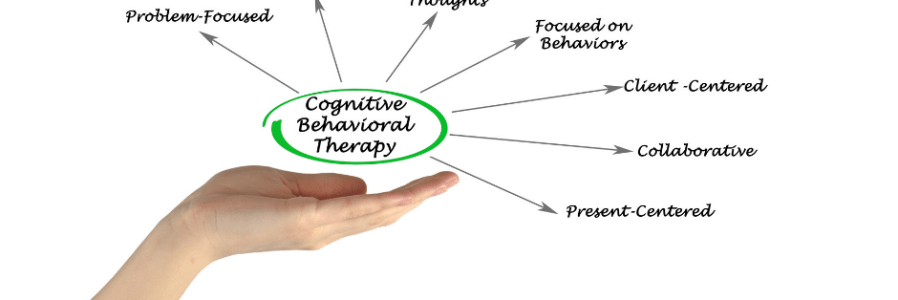
How CBT Works for Substance Abuse

Cognitive Behavioral Therapy (CBT) is highly suitable for treating substance abuse and addiction. It is one of the most widely used therapeutic approaches for addressing the behavioral and emotional aspects of addiction. CBT has been found to be effective in helping individuals not only break free from substance abuse but also develop healthier coping mechanisms to manage triggers, cravings, and the psychological components of addiction.… Read More How CBT Works for Substance Abuse

Reinforcement of Negative Behaviors

Surrounding yourself with friends who share depressive moods and substance abuse tendencies can create a toxic environment that worsens both your addiction and your mental health. The collective reinforcement of negative behaviors, emotional contagion, and shared avoidance of problems makes it harder to break free from harmful patterns. To truly recover, finding support outside of that social circle—whether through therapy, healthier relationships, or support groups—can be crucial in escaping the grip of addiction and depression.… Read More Reinforcement of Negative Behaviors

Acknowledgment and Acceptance

Recovery from drug abuse is about so much more than just stopping the use of a substance. It’s a comprehensive, multifaceted process that requires deep emotional work, the rebuilding of self-esteem, and the establishment of a strong support network. A trauma-informed approach to recovery can be particularly powerful, as it helps individuals confront the root causes of addiction, allowing for not just sobriety, but true emotional and psychological healing.

If someone is ready to embark on this journey, it’s important to remind them they are not alone, and their willingness to seek help is an act of immense courage. Each step forward is a victory worth celebrating.… Read More Acknowledgment and Acceptance

When Involuntary Commitment Is Necessary

Involuntary commitment, sometimes referred to as civil commitment, is a legal process used when a person’s mental health condition, substance use disorder, or psychosis reaches a point where they can no longer make rational decisions about their own care or safety. This can be a critical step when someone poses a danger to themselves or others and is either unable or unwilling to seek help voluntarily. While it is an extreme measure, it can be a life-saving intervention when used appropriately.… Read More When Involuntary Commitment Is Necessary

Understanding Anosognosia

Anosognosia is a form of cognitive blindness to one’s own condition. In the context of drug-induced psychosis or alcoholism, this manifests as the person genuinely believing they do not have a problem, despite clear signs of addiction, mental illness, or physical deterioration. It’s different from denial, which is a psychological defense mechanism where the person may unconsciously avoid confronting a problem. Anosognosia is a deeper level of unawareness, often rooted in brain dysfunction caused by substances or an underlying mental health condition like schizophrenia, bipolar disorder, or severe depression.… Read More Understanding Anosognosia

The Impact of Confusion on Mental Health

When confusion becomes so overwhelming that it starts to impact your mental health, it can feel incredibly isolating and disorienting. Mental health issues can often stem from or exacerbate feelings of confusion, where reality becomes hard to grasp, and you’re left questioning what’s true, what’s real, or what you even feel. This can happen for many reasons, ranging from anxiety and depression to trauma, substance use, or deeper psychological struggles like psychosis or dissociation.… Read More The Impact of Confusion on Mental Health