The Legacy of Cruelty: How Pain and Trauma Endure Through Stories, Memories, and Emotional Scars
Legacies are often thought of as the enduring marks someone leaves on the world, shaping their reputation long after they are gone. These legacies can be defined by remarkable achievements, kindness, or the imprint of their work. However, some legacies are less about what people created and more about the damage they inflicted. When cruelty becomes a hallmark of someone’s character, it can overshadow any positive traits or accomplishments they may have had during their lifetime. The stories, memories, and emotional scars left behind by such individuals tend to endure far longer than any contributions made in their more positive moments.
The Story of Cruelty: How It is Remembered
Every person leaves behind stories—narratives passed down through generations, recounted by family, friends, colleagues, and others who came into contact with them. Stories can be a powerful tool for shaping a person’s legacy. For individuals whose lives were marked by cruelty, the memories shared often focus not on their successes, but on their hurtful actions. These stories are imbued with the pain they caused, and over time, they can become a collective narrative that defines how the person is remembered.
Cruelty has a unique way of embedding itself in the stories we tell. It can be more vivid, more unforgettable, and more deeply entrenched than the positive qualities someone might have possessed. A person’s achievements may be acknowledged, but the emotional scars they left often endure as more powerful markers of their identity. The lasting memories of betrayal, manipulation, and harshness tend to occupy more space in the minds of those who suffered through such experiences, drowning out the memories of any kindness or positive contribution.
The Weight of Emotional Scars
Emotional scars are often the most enduring form of legacy that a cruel individual leaves behind. Unlike physical scars, which may fade with time, emotional wounds can continue to affect those who experienced them long after the event itself. These scars are invisible, but they are felt deeply by those who carry them. They manifest in feelings of insecurity, anxiety, shame, and a lack of trust, as well as in the difficulty of forming healthy relationships. For those who suffered cruelty, these emotional wounds shape how they interact with the world, how they perceive themselves, and how they relate to others.
What makes emotional scars so powerful is their ability to alter the course of a person’s life. Someone who was subjected to cruelty—whether emotional, psychological, or physical—may find it difficult to fully heal from the trauma, and the legacy of the person who inflicted that pain remains present in their everyday experience. As time passes, the stories of cruelty may transform into lifelong struggles for the victims. The emotional scars can lead to a complex interplay of forgiveness, bitterness, self-reflection, and healing, as the individual works to come to terms with the trauma they endured.
Reputation and How It Can Be Overshadowed by Harmful Actions
When someone lives a life defined by cruelty, their reputation becomes an indelible part of their legacy. While they may have contributed positively in some areas, those contributions are often eclipsed by the damage they caused to others. The reputation of cruelty can be difficult to outlive, as it tends to color all aspects of how a person is viewed by those who were impacted.
The complexity of human nature means that even the cruelest individuals often have redeeming qualities. They may have been exceptional in certain areas—talented, intelligent, charismatic—but these traits may become irrelevant to those who remember the harm they caused. In some cases, a person’s cruelty becomes so synonymous with their identity that even their achievements are ultimately overshadowed by the way they treated others.
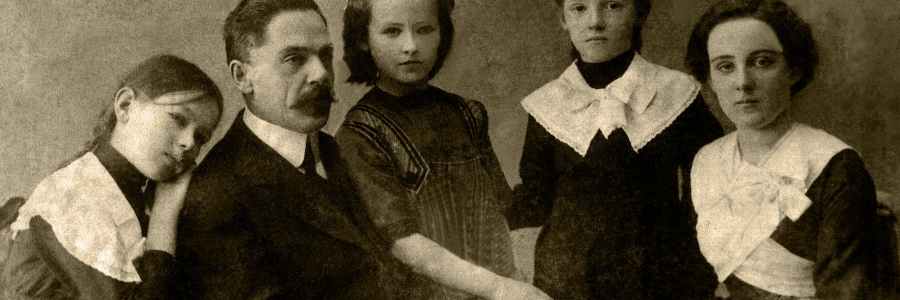
This dynamic is particularly evident in families, where the relationships that should be founded on love, respect, and care can be marred by cruelty. A family member who caused emotional or physical harm can forever alter the course of family dynamics, leaving behind fractured relationships and a legacy defined by pain. The way that person is remembered by future generations may be distorted by the lens of that cruelty. Instead of being remembered for their talents or their positive contributions, they are remembered for their callousness, for the emotional havoc they wreaked on those closest to them.
The Enduring Nature of Cruelty’s Impact
The ripple effects of cruelty can span generations. Trauma does not just vanish when the person who caused it passes away—it remains a haunting presence in the lives of those left behind. The emotional damage caused by cruel actions is passed down through stories, family dynamics, and even through genetic expressions that shape behavior and emotional responses. Children of cruel individuals, for instance, may struggle to understand their own feelings or may develop patterns of behavior that mimic the toxicity they grew up with.
The trauma that results from cruelty doesn’t always manifest in overt ways. Sometimes, the most insidious impact is the way it erodes self-esteem, confidence, and the ability to trust others. It creates a psychological legacy of uncertainty and insecurity that can define a person’s worldview for years to come. The negative consequences of cruelty can compound over time, affecting multiple generations, as individuals who were subjected to emotional harm may unknowingly pass on these issues to their children, creating a cycle of pain that extends long beyond the life of the perpetrator.
Breaking the Cycle: The Path to Healing and Reclaiming the Narrative
The power of a cruel legacy can be overwhelming, but it does not have to define the future. While the impact of cruelty lingers, it is possible for individuals to break free from this legacy and reclaim their lives. Healing from emotional scars and breaking the cycle of generational trauma is a difficult, but vital process. It often begins with acknowledging the pain and the harm done, and then working to separate one’s identity from the cruelty of others.
Therapeutic interventions, self-care practices, and emotional intelligence can be instrumental in this process. By addressing the emotional scars and creating new narratives—ones that focus on strength, resilience, and healing—individuals can begin to redefine their legacy and ensure that they are remembered for their efforts to overcome adversity, rather than the pain inflicted upon them.
Reclaiming a legacy means actively choosing to live a life that reflects one’s own values, independent of the cruelty of others. It involves nurturing positive relationships, fostering kindness, and choosing compassion. It also means confronting the past, forgiving where possible, and creating new stories that honor one’s true self—free from the long shadow of cruelty.
Conclusion
The legacy of cruelty, embedded in stories, memories, and emotional scars, can cast a long and painful shadow. While the reputation of a cruel person may be hard to escape, it is important to remember that such legacies are not always inevitable. Through the process of healing, reflection, and personal growth, individuals can find the strength to rise above the pain and create a legacy of their own—one that is defined by their courage, resilience, and capacity for love. By doing so, they can ensure that the lasting impact of their life is not determined by the cruelty of others, but by the choices they make to overcome it.
… Read More The Legacy of Cruelty: How Pain and Trauma Endure Through Stories, Memories, and Emotional Scars




 Linda C J Turner | Trauma Therapist & Emotional Healing Specialist