Exploring Job Offers Abroad: A Guide for Opportunity and Security

In an increasingly globalized world, working abroad has become more than just a career move—it’s a life decision. Accepting a job in a new country can open doors to financial growth, cultural enrichment, and personal development. Yet, it also carries psychological, logistical, and social considerations that are crucial to evaluate before committing. 1. Understanding the… Read More Exploring Job Offers Abroad: A Guide for Opportunity and Security

Why Sex and Abuse Don’t Mix: The Neuroscience and Psychology Behind Lost Desire

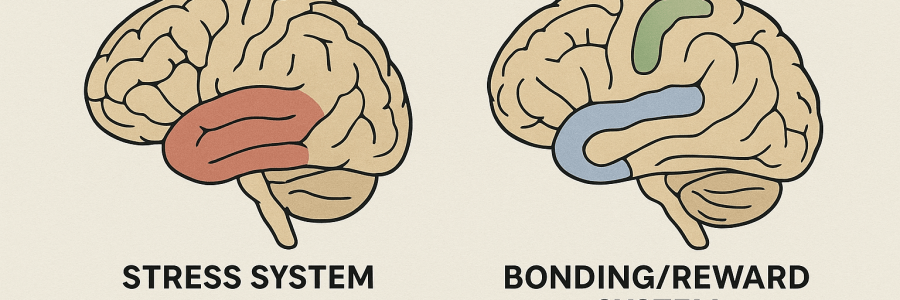
When someone has lived under the control of an abuser—whether the abuse is emotional, physical, sexual, or financial—the idea of sex often becomes the last thing they want to think about. Many survivors describe not only a loss of desire, but also a deep aversion to sex, even in safe relationships later on. This isn’t weakness, and it… Read More Why Sex and Abuse Don’t Mix: The Neuroscience and Psychology Behind Lost Desire

Why someone might need antipsychotic medication

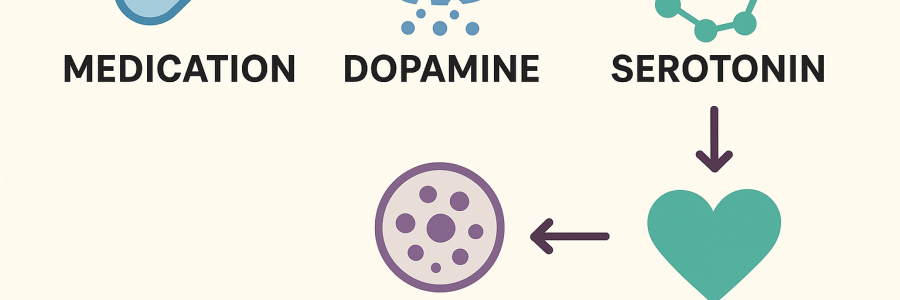
Why someone might need antipsychotic medication Antipsychotics aren’t only prescribed for schizophrenia (which many people assume). They can also be used for: Essentially, these medications help regulate brain chemistry, especially dopamine and serotonin, to reduce overwhelming symptoms like hallucinations, paranoia, mood extremes, or agitation—so that someone can live more stably and safely. Should they disclose this… Read More Why someone might need antipsychotic medication

Medication, Libido, and Abuse: The Neuroscience Behind a Hidden Struggle

Many clients ask me how to recognise an abuser. My own story is a painful example—I spent decades in an abusive relationship, cut off from friends and family, convinced for years that it was love. Only when the abuse became physical and uncontrollable did my doctors and psychologist urge me to leave for my own… Read More Medication, Libido, and Abuse: The Neuroscience Behind a Hidden Struggle

The Neuroscience of Emotional Exhaustion and Learned Helplessness

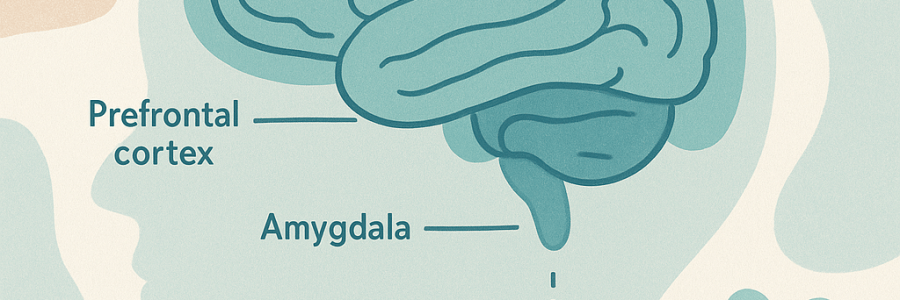
When humans are exposed to prolonged fear, control, or psychological manipulation, the effects go far deeper than emotions alone. Neuroscience shows us that chronic stress reshapes the brain and body in ways that explain why people become exhausted, numb, and even trapped in states of helplessness. Emotional Exhaustion and the Brain At its core, emotional… Read More The Neuroscience of Emotional Exhaustion and Learned Helplessness

Compiling a Psychological Report for Court: Best Practices for Therapists

Psychological reports prepared for court carry a unique responsibility. Unlike standard therapeutic notes, which are private and focused on the client’s healing journey, court reports are formal, evidence-based documents designed to inform legal decision-making. The therapist’s task is to balance professional objectivity with compassionate understanding, ensuring that the report is both clinically sound and legally… Read More Compiling a Psychological Report for Court: Best Practices for Therapists

Life After Abuse: Same Routines, Different Freedom

When people leave an abusive relationship, outsiders sometimes imagine that their life becomes instantly unrecognizable—new hobbies, new social circles, a completely new identity. But the truth is often quieter and more profound. For many survivors, the external routines remain the same: the same home, the same hobbies, the same daily responsibilities. What changes isn’t always… Read More Life After Abuse: Same Routines, Different Freedom

1. Breathwork and the Autonomic Nervous System

Many tantric practices emphasize controlled breathing (pranayama). This isn’t just spiritual—it has a direct physiological effect: In essence, breathwork is a way to consciously shift the nervous system from stress (sympathetic) to relaxation and heightened awareness (parasympathetic). 2. Meditation, Visualization, and Neural Plasticity Tantric meditation often uses mantras (sounds), yantras (visual patterns), or guided imagery: 3. Energy Work and… Read More 1. Breathwork and the Autonomic Nervous System

Can Untreated Attachment Issues Lead to Abuse?

A Neuroscience Perspective Attachment is the first language of the human brain. From the moment we are born, the way our caregivers respond to our cries, needs, and emotions literally wires our nervous system. When that attachment is secure, a child learns safety, regulation, and trust. But when early attachment is inconsistent, neglectful, or traumatic—and… Read More Can Untreated Attachment Issues Lead to Abuse?