Relearning Autonomy After Manipulation: The Strange Freedom of Making Your Own Choices
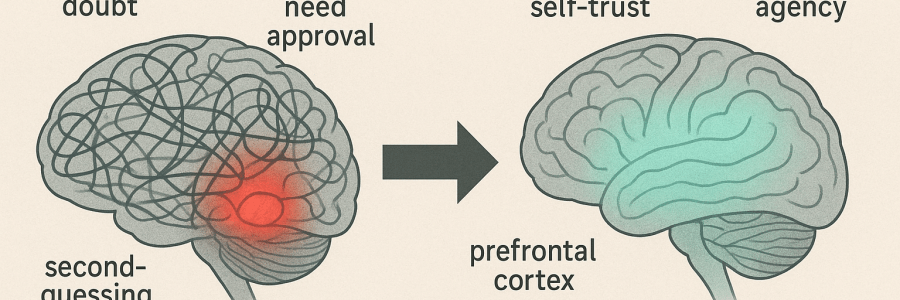
For anyone who has lived under the shadow of control, manipulation, or coercion, the moment of stepping into true autonomy can feel less like liberation and more like vertigo. Suddenly the air feels different—you’re not being told what to do, but instead left with the unnerving task of making your own decisions. At first, this… Read More Relearning Autonomy After Manipulation: The Strange Freedom of Making Your Own Choices

Reclaiming Your Mind: The Neuroscience and Psychology of Moving Forward After Abuse

Life can deal unimaginable blows, and when those blows come from someone you trusted deeply—especially over decades—the psychological and emotional impact can feel overwhelming. Yesterday, you marked a profound milestone: deciding, in your mind and heart, that your abuser is no longer a presence in your life. From now on, your thoughts will focus on… Read More Reclaiming Your Mind: The Neuroscience and Psychology of Moving Forward After Abuse

Ignored or Dismissed: The Brain’s Role in Denial

When a family member ignores or dismisses your experience, it’s not always a conscious act of cruelty—often, it’s tied to how the brain processes threatening information. 2. Blame-Shifting: Psychological Mechanisms Blame-shifting is when responsibility for abuse is deflected onto the survivor. Neuroscience and psychology explain why this happens: 3. Cover-Ups: Social and Neural Dynamics When family members… Read More Ignored or Dismissed: The Brain’s Role in Denial

Guided Meditation: Calming the Mind

🌸 Preparation 🌬️ Breath AwarenessTake a deep breath in through your nose, filling your lungs fully…Pause for a moment…And slowly exhale through your mouth, letting any tension flow out. Repeat this two more times—inhale calm, exhale release.Now, let your breathing find its natural rhythm. Simply notice the rise and fall of your chest or belly. 💭 Calming ThoughtsImagine… Read More Guided Meditation: Calming the Mind

When Someone Becomes “Dead to You”: The Psychology of Closing a Door

There are betrayals so profound, so destructive, that they leave no room for repair. Sometimes, the healthiest choice is not reconciliation, not endless attempts at understanding, but a complete and final letting go. As one wise lawyer put it: “Act as if he is dead to you.” This is not about cruelty or denial—it’s about survival.… Read More When Someone Becomes “Dead to You”: The Psychology of Closing a Door

What Does the Real Research Say?

1. Light and Memory in Fruit Flies Researchers at Tokyo Metropolitan University found that fruit flies (Drosophila) could lose long-term, trauma-associated memories when kept in the dark. This works because the absence of light suppressed a protein (Pdf), disrupting another memory-related protein (CREB). But this research is limited strictly to insects—and far from clinical application in… Read More What Does the Real Research Say?

Spineless

The Psychology of Secrets, Lies, and Blame: Why Some People Hide While Others Carry the Burden When we look back over decades of being lied to, manipulated, and blamed, the pain often runs deeper than the betrayal itself. It is the gutlessness—the refusal of another person to face reality, take responsibility, and come clean—that wounds most… Read More Spineless

The Science of Knowing: When Connection Feels Undeniably Right

Sometimes the people around us don’t see what we see. Friends may raise eyebrows, outsiders may question, and logic may list reasons why a relationship “shouldn’t” work. And yet—when you look into someone’s eyes and feel warmth, safety, and a resonance you can’t fake—you know. This knowing is not wishful thinking. It is rooted in… Read More The Science of Knowing: When Connection Feels Undeniably Right

When It’s More Than Just Sex: The Neuroscience of Deep Connection

Attraction often begins with chemistry. That first spark—the rush of desire, the way your body feels alive in someone else’s presence—is not just poetry, it’s biology. Neurochemicals like dopamine (the brain’s “reward signal”) and norepinephrine (which increases excitement and attention) flood our system when we’re physically drawn to someone. This is why, in the beginning, everything feels electric. But… Read More When It’s More Than Just Sex: The Neuroscience of Deep Connection