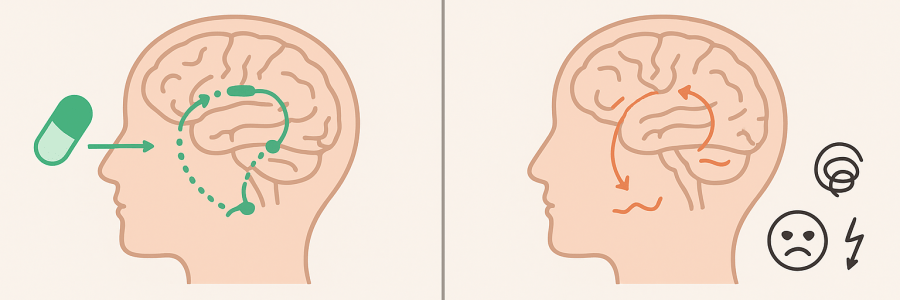
Learning to Love Again After Fear
Dating again while still being stalked or harassed by an ex after leaving a long marriage involves deep emotional, neurological, and psychological layers. Let’s unpack this from both neuroscience and psychology, and then look at what you can do to protect both your emotional safety and your new connections. 🧠 Neuroscience: What’s Happening in the Brain 1. Chronic threat keeps the brain… Read More Learning to Love Again After Fear
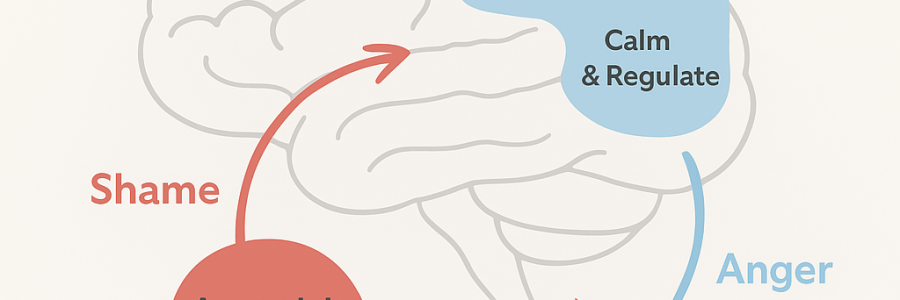
🧠 Why Some People Pull Away: The Neuroscience of Fear, Shame, and Avoidance

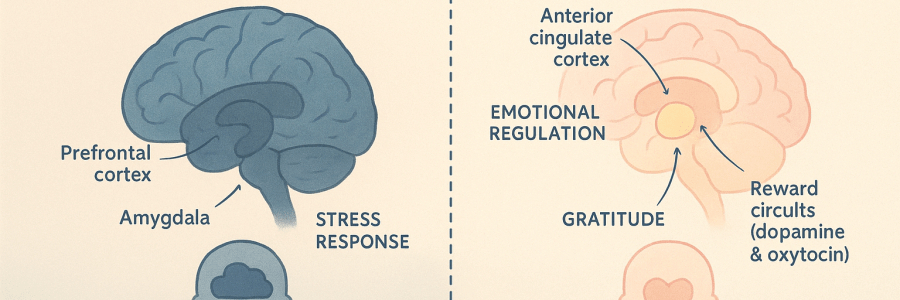
When someone says they’ll call, make plans, or express interest — and then disappears — it often feels personal, confusing, and painful. But neuroscience shows that these behaviors often reflect how their emotional brain circuits are operating, not a reflection of your worth. 1️⃣ The Role of the Amygdala: The Brain’s Alarm System The amygdala is the brain’s… Read More 🧠 Why Some People Pull Away: The Neuroscience of Fear, Shame, and Avoidance

“Intermittent engagement” or “hot-cold behavior”

“Intermittent engagement” or “hot-cold behavior” in psychology. Let’s break down why this happens from a neuroscience and psychological perspective. 1️⃣ The Behavior: Mixed Signals and “Dangling” When someone says they want to see you but doesn’t follow through, or claims they’ll call tomorrow but disappears, it creates uncertainty and anxiety. This is a form of inconsistent reinforcement — a psychological… Read More “Intermittent engagement” or “hot-cold behavior”

🧠 What “Limbic Hijacking” Really Means

The term comes from Daniel Goleman (author of Emotional Intelligence) and refers to moments when the limbic system — the emotional center of the brain — overrides the prefrontal cortex, which is responsible for logic, reasoning, and self-control. In simpler terms: The emotional brain takes the driver’s seat, while the rational brain gets locked in the trunk. 🧩 The Brain Areas… Read More 🧠 What “Limbic Hijacking” Really Means

Practical steps that calm the brain’s alarm system

Science-based strategies that protect your body and mind when you’ve been through chronic harassment or trauma.(If someone is currently violating a restraining order, though, please keep involving law enforcement or a legal advocate—safety planning is the top priority.) 🧠 1. Re-establish real safety first Your nervous system can’t down-regulate while it still senses danger. Practical steps… Read More Practical steps that calm the brain’s alarm system

The Prefrontal Cortex: Impulse Control Breakdown

When someone repeatedly breaks a restraining order or keeps pursuing a victim despite the risk of arrest, they’re often driven by a combination of neurological dysfunction, emotional dysregulation, and learned behavior patterns — not simply “wanting punishment,” but an inability to regulate their impulses or tolerate loss of control. Let’s unpack what’s happening in their brain, step… Read More The Prefrontal Cortex: Impulse Control Breakdown

The Brain’s Safety System Is Still on Alert

When an abuser continues to intrude or stalk, even after you’ve left, it interferes with the brain’s natural healing and rewiring process. Let’s unpack what’s happening — both neurologically and psychologically — and why it can feel like your brain is being “hijacked” by the connection that refuses to die. 1. The Brain’s Safety System Is… Read More The Brain’s Safety System Is Still on Alert

Synaptic Pruning: How the Brain Lets Go to Grow

When we talk about “letting go” emotionally, it often feels abstract — like advice easier said than done. But your brain actually knows how to let go at a biological level. This process is called synaptic pruning, and it’s one of the key ways your brain adapts, learns, and evolves throughout your life. What Is Synaptic Pruning? Your… Read More Synaptic Pruning: How the Brain Lets Go to Grow

What Felt Like an Ending Was Really the Making of You: The Neuroscience of Renewal

There are moments in life when everything seems to fall apart — the relationship ends, the job disappears, the familiar world collapses. It feels like death, not in the physical sense, but in the deep emotional sense of losing everything that once gave you identity, meaning, and belonging. Yet, neuroscience shows that what feels like… Read More What Felt Like an Ending Was Really the Making of You: The Neuroscience of Renewal

The Neuroscience of Peaceful Living and Real Connection

Calm evenings out with real conversation.Someone who smiles, listens, and asks you questions — not to judge, but to connect.Evenings at home, sharing a meal, playing guitar, singing together.Weekends with friends and our dogs who’ve made the move to Spain.Fun days and nights with family — eating, laughing, relaxing. This is how life should be:No… Read More The Neuroscience of Peaceful Living and Real Connection