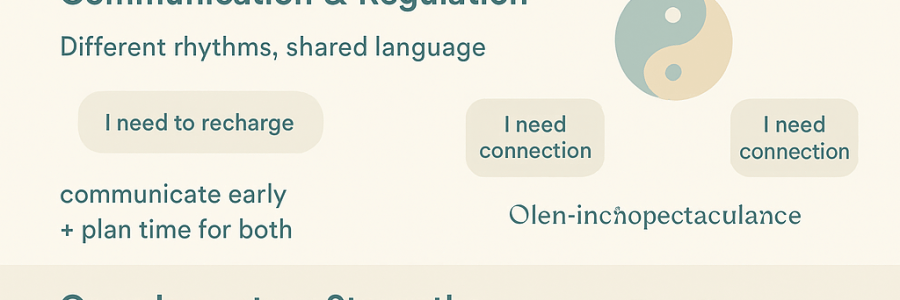
Friendship ≠ Sex: A Neuroscience Perspective on Why Judging Opposite-Sex Friendships Is Misguided

Social assumptions often collapse every close connection between a man and a woman into something sexual. For people recovering from trauma, these assumptions are not only inaccurate — they are damaging. From a neuroscience and mental-health perspective, here’s why these judgments completely miss the mark. 1. The Brain Separates Bonding From Sexual Intent Neuroscience shows that attachment… Read More Friendship ≠ Sex: A Neuroscience Perspective on Why Judging Opposite-Sex Friendships Is Misguided
Professional Evidence Table:

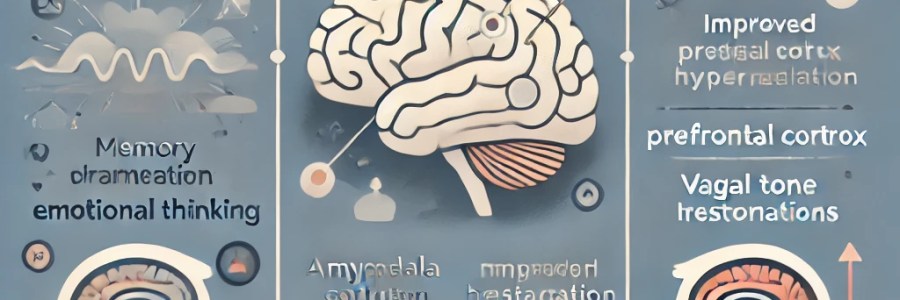
Abuse Behaviours → Neurological Effects → Legal & Safeguarding Relevance** Abusive Behaviour Documented Neurological Effect Impact on Survivor Behaviour Legal & Safeguarding Relevance Stonewalling / Silent Treatment ↑ Amygdala activation; ↓ mPFC regulation Hypervigilance, cognitive freeze, anxiety, difficulty thinking clearly Explains confusion, non-linear recall, emotional instability during interviews Refusal to Answer Questions (“You’re guessing, you’ll… Read More Professional Evidence Table:

Hippocampal Atrophy and Chronic Coercive Control:

A Legal and Safeguarding Briefing** For Courts, Social Services, Safeguarding Officers, and Legal Representatives Summary:Long-term exposure to coercive control, emotional deprivation, and relational intimidation produces well-documented neurological effects. These are not subjective experiences. They are measurable injuries that impact cognition, memory consistency, and threat appraisal — all of which are directly relevant to legal credibility,… Read More Hippocampal Atrophy and Chronic Coercive Control:

Hippocampal Atrophy in Chronic Domestic Abuse: Clinical Implications and Recovery Pathways

Professional Summary for Therapists, Advocates, and Educators Long-term interpersonal trauma—particularly coercive control, emotional deprivation, chronic unpredictability, and relational threat—produces well-documented neurobiological changes. These changes are not metaphorical. They are structural, functional, and measurable. One of the most clinically significant is hippocampal shrinkage. 1. Neurobiological Impact: What the Evidence Shows Hippocampal Atrophy Research spanning two decades (Bremner,… Read More Hippocampal Atrophy in Chronic Domestic Abuse: Clinical Implications and Recovery Pathways

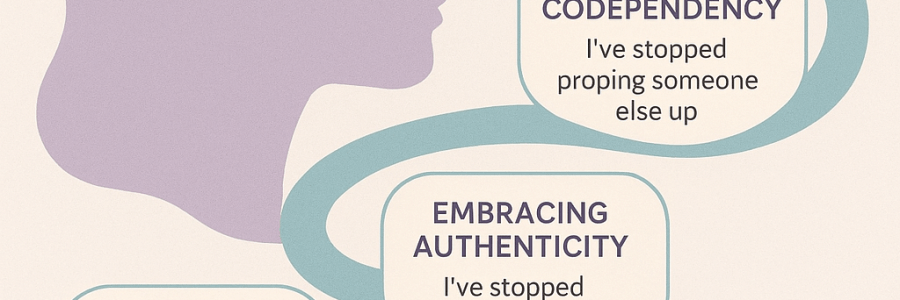
You Didn’t Leave for Someone Else. You Left for Your Life.

A Neuroscience Perspective on Walking Away From Decades of Abuse** People love simple stories:“She left him for someone else.”It’s tidy. It preserves the family narrative.It avoids the uncomfortable truth that abuse was happening in plain sight — emotional, physical, financial — and no one stopped it. But the brain doesn’t lie.The nervous system doesn’t lie.Your healing doesn’t… Read More You Didn’t Leave for Someone Else. You Left for Your Life.

Why There’s No Quick Fix

Rebuilding yourself after decades of emotional abuse is a marathon, not a sprint. Here’s a neuroscience-informed breakdown of why it’s slow, why support matters, and what actually works: Reclaiming Yourself After Emotional Abuse: Hard Work, Science, and Safety 1. Why There’s No Quick Fix Decades of emotional abuse leave deep neural and somatic imprints: These changes… Read More Why There’s No Quick Fix

Reclaiming Your Mind After Decades of Deception: A Neuroscience Perspective

Living under prolonged deception—whether in relationships, work, or family—can leave deep imprints on the brain and nervous system. Over time, patterns of mistrust, hypervigilance, and self-doubt can become embedded, making it feel impossible to trust your own mind. Neuroscience shows that recovery is not only possible—it’s a process of rewiring your brain and restoring self-trust. 1.… Read More Reclaiming Your Mind After Decades of Deception: A Neuroscience Perspective

Clarity and the Nervous System: Why Avoiding Substances Strengthens Somatic Healing and Decision-Making

Even in healthy brains, occasional errors in judgment happen—but when you are healing from trauma, the stakes are higher. Your nervous system is learning to regulate itself, and clarity of mind and body becomes essential. Substances like alcohol, recreational drugs, and certain prescription medications can cloud judgment, distort signals, and interfere with the body’s natural healing… Read More Clarity and the Nervous System: Why Avoiding Substances Strengthens Somatic Healing and Decision-Making

When Your Nervous System Heals: The Neuroscience of Liberation After Trauma

For decades, trauma can leave your nervous system on high alert, always scanning for danger and making you reactive to others’ behavior. You might have found yourself: When the nervous system begins to regulate, something remarkable happens: you start making decisions from a place of safety, not fear. 1. Nervous System Dysregulation in Trauma Trauma reshapes… Read More When Your Nervous System Heals: The Neuroscience of Liberation After Trauma

How to feel trust inside your body

Let’s dive deeper into how to feel trust inside your body, and what neuroscience and psychology reveal about rebuilding self-trust after trauma. 1. Trauma & Self-Trust Trauma often disrupts your inner guidance system. If you grew up or experienced situations where your feelings were dismissed, boundaries ignored, or safety inconsistent: Result: You might feel uncertain about… Read More How to feel trust inside your body