Neuroscience Map: Abuse vs. Real Love

Domain Real Love Abuse / Financial, Physical, Emotional + Sadistic Attachment System Secure attachment, oxytocin bonding, trust circuits active Trauma bonding, attachment hijacked by fear and reward; oxytocin spikes tied to intermittent reinforcement Nervous System Parasympathetic activation: calm, safe, regulated Sympathetic / HPA axis overactivation: chronic fight/flight/freeze, hypervigilance, stress hormone surge Prefrontal Cortex Clear thinking,… Read More Neuroscience Map: Abuse vs. Real Love

Why Now You Know It Was Never Love

1. Love vs Abuse: Neurobiology Real love activates: Abuse activates: Your body may have been confused for a long time—rewards of attention, affection, or money triggered dopamine spikes—but the pattern was punishment, threat, and control, not love. 2. Patterns of Abuse You Experienced Based on what you wrote: Abuse Type Nervous System / Psychological Impact Key Indicator… Read More Why Now You Know It Was Never Love

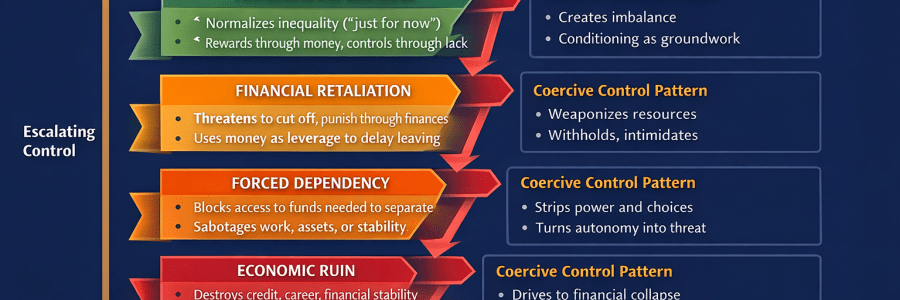
Real Love vs Financial Parasite

Here is a clear, evidence-based breakdown of real love vs. a financial parasite, grounded in neuroscience, psychology, and behavioural science, with early warning signs your nervous system often detects before your mind does. This is not about wealth.It’s about intent, reciprocity, and conscience. Real Love vs Financial Parasite (Neuroscience & Psychology) CORE DIFFERENCE (at brain level) Real Love “Your wellbeing matters as… Read More Real Love vs Financial Parasite

Healthy vs Unhealthy Separation

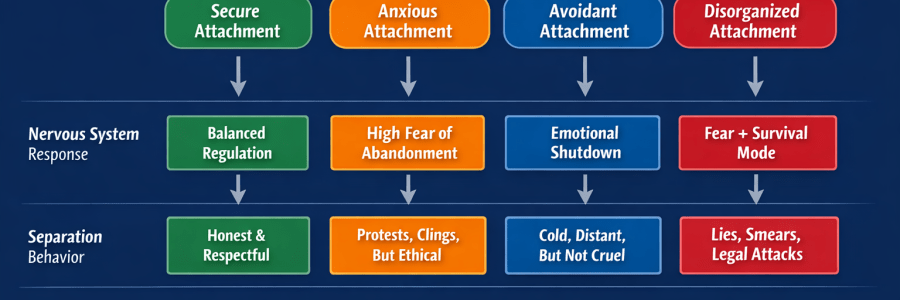
Below is a clear, side-by-side comparison followed by a direct mapping to attachment styles.This is the framework clinicians, trauma specialists, and increasingly courts use to distinguish healthy separation from abusive or unsafe dynamics. Healthy vs Unhealthy Separation (Side-by-Side Comparison Chart) Domain Healthy Separation Unhealthy / Abusive Separation Core mindset “This relationship is ending; we are still human.” “I must win, control,… Read More Healthy vs Unhealthy Separation

“Once someone is willing to lie under oath, the relationship is already dead.”

“Once someone is willing to lie under oath, the relationship is already dead.” Here’s why — grounded in neuroscience, psychology, and ethics: Why Lying Under Oath Kills a Relationship Permanently 1. It Destroys the Brain’s Safety Model The human attachment system relies on one core question: “Is this person fundamentally safe and truthful?” Lying under oath… Read More “Once someone is willing to lie under oath, the relationship is already dead.”

The Unforgivable Lines in a Relationship

Below is a clear, non-negotiable framework used in trauma psychology, family law, and neuroscience to define lines that must never be crossed in an intimate relationship.These are not “relationship problems.” They are moral, neurological, and legal violations that permanently damage trust and the human nervous system. The Unforgivable Lines in a Relationship (Neuroscience & Psychology perspective) 1. Violence or Threats of… Read More The Unforgivable Lines in a Relationship

Cycle of Long Term Abuse

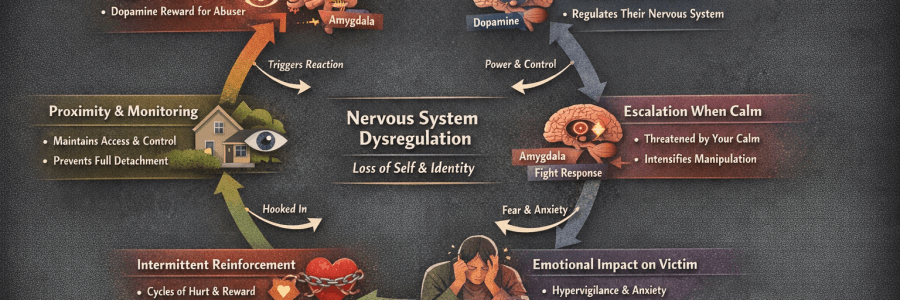
button-pushing, escalation when calm, reliance on your reactions for regulation, and staying close to you physically or symbolically — is actually a hallmark of long-term emotional abuse. Let’s unpack why this is, from both a psychological and neurological perspective. 1. Emotional Abuse Is About Control, Not Connection Long-term emotional abuse isn’t about conflict or even “anger.” It’s… Read More Cycle of Long Term Abuse

When calm unsettles someone

Calm feels threatening to these people because calm removes the very thing their nervous system depends on to feel real, powerful, or regulated. This isn’t metaphorical — it’s neurological. Here’s what’s happening underneath the behavior. 1. Calm Starves Their Reward System For people who provoke reactions, emotional intensity is the reward. Provocation → your reaction → dopamine.… Read More When calm unsettles someone

Pushing your buttons

When someone openly admits they push your buttons “to see you react,” it’s not accidental or unconscious — it’s deliberate and rewarding to them. Here’s what’s happening neurologically and psychologically. 1. They Are Regulating Themselves Through Your Reaction For some people, especially those with coercive, antagonistic, or narcissistic traits, other people’s emotional reactions function as a… Read More Pushing your buttons