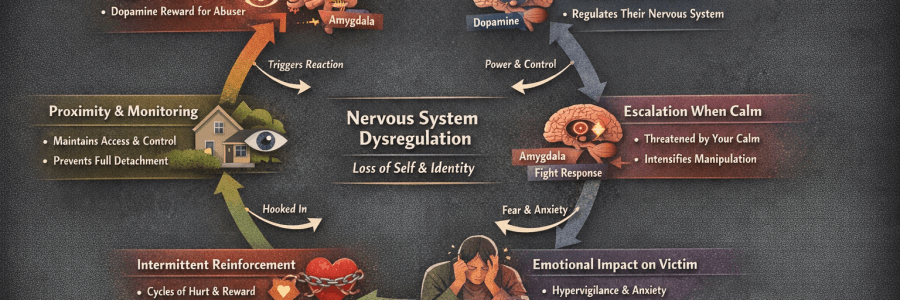
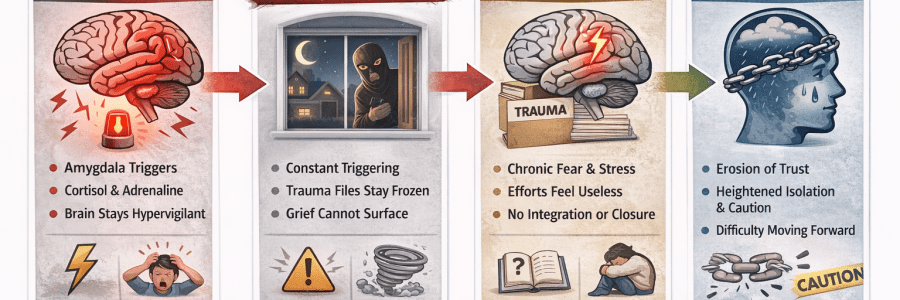
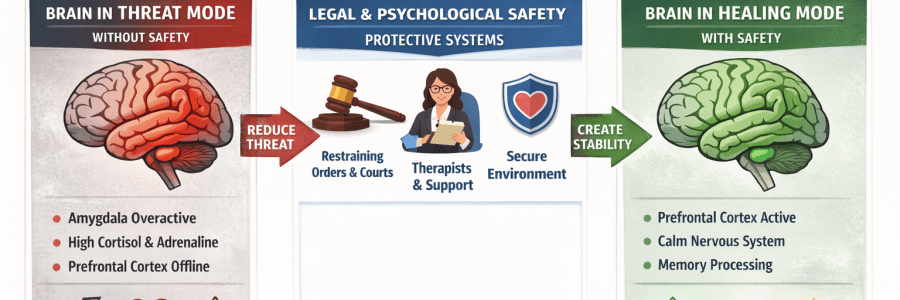
When Someone Says One Thing Publicly and Does Another Privately: The Neuroscience Behind the Double Life

It’s astonishing how some people can present one story to their family — “I’m going to sell the house,” “I’m doing the right thing,” “Everything is fine” — while living a completely different reality behind closed doors.Nothing ever changes. The promises shift, the words get softer, but the behaviour stays the same. And when someone performs one role for… Read More When Someone Says One Thing Publicly and Does Another Privately: The Neuroscience Behind the Double Life

Abuse and the Holidays: Why Vigilance Matters

Abuse doesn’t take a holiday — in fact, it often intensifies during holidays like Christmas or birthdays. Many victims think that leaving home, going on a trip, or being away from daily stress might protect them, but abuse thrives in isolation. Abusers exploit distance from friends, family, and familiar environments to gain control. After 32 Christmases of living… Read More Abuse and the Holidays: Why Vigilance Matters

Pseudologia Fantastica

People who perform success, intelligence, wealth, or status that they do not have — while secretly being obsessed with money, social climbing, and using others. Psychology and neuroscience have a LOT to say about this. Below is a clear, structured guide with signs, mechanisms, and the brain-based reasons behind the behaviour. 🔥 1. What This Behaviour Is Called in Psychology These patterns fall… Read More Pseudologia Fantastica

Relief vs. Calm — What’s the difference?

Relief Relief is a reactive physiological‑emotional state. It occurs when a stressor or threat diminishes or ends. For example: you finish a difficult project, get through an argument, narrowly avoid a danger. The tension, vigilance or threat drops and you feel “whew”—that’s relief. In nervous‑system terms, relief often means that your sympathetic (“fight/flight/alert”) system was active or… Read More Relief vs. Calm — What’s the difference?

Transactional relationships driven by money and security

When people live with someone primarily for financial gain or a luxury lifestyle, the relationship quietly shifts from connection to transaction. Affection becomes currency. Tolerance replaces boundaries. Harm is excused not because it isn’t felt, but because survival—or comfort—feels more urgent than integrity. From a neuroscience perspective, this dynamic is not accidental. The human brain… Read More Transactional relationships driven by money and security

When Relief Feels Like Love

When you’ve experienced emotional neglect, betrayal, or manipulation, your body adapts before your mind does. Your attachment system—designed to seek safety and predictability—lowers its standards. What once counted as “basic decency” starts to feel like security. The nervous system quietly revises the rules. In this state, not being hurt can register as being loved. When someone is merely… Read More When Relief Feels Like Love

Freedom After Decades of Abuse: The Neuroscience of Choice and Self-Determination

IntroductionSurvivors of long-term abuse often experience a profound psychological weight. Decades of emotional, physical, or relational trauma can shape not only beliefs and behaviors but also neural architecture. Emerging from such a context into a space of autonomy—symbolized here by “having no ring on your finger”—can trigger complex emotional, cognitive, and neurobiological responses. Psychological Perspective… Read More Freedom After Decades of Abuse: The Neuroscience of Choice and Self-Determination

Healthy Reciprocity: Building Safety and Reward in Relationships

Reciprocity is the backbone of trust, emotional safety, and attachment. It works because your brain and nervous system are wired to seek predictable, rewarding interactions. 1. The Neurochemistry of Reciprocity When someone consistently responds to your needs — emotionally, physically, or socially — your brain releases key neurochemicals: Neurochemical Role Effect on Relationships Oxytocin Bonding hormone Promotes… Read More Healthy Reciprocity: Building Safety and Reward in Relationships