Can Untreated Attachment Issues Lead to Abuse?

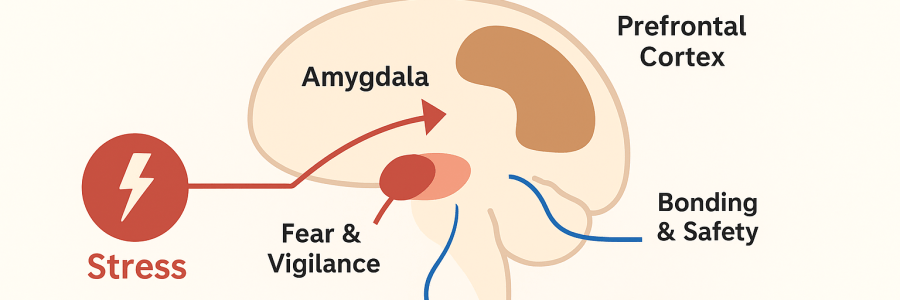
A Neuroscience Perspective Attachment is the first language of the human brain. From the moment we are born, the way our caregivers respond to our cries, needs, and emotions literally wires our nervous system. When that attachment is secure, a child learns safety, regulation, and trust. But when early attachment is inconsistent, neglectful, or traumatic—and… Read More Can Untreated Attachment Issues Lead to Abuse?
🔬 How Attachment Issues Lead to Shame & Anger in Adults

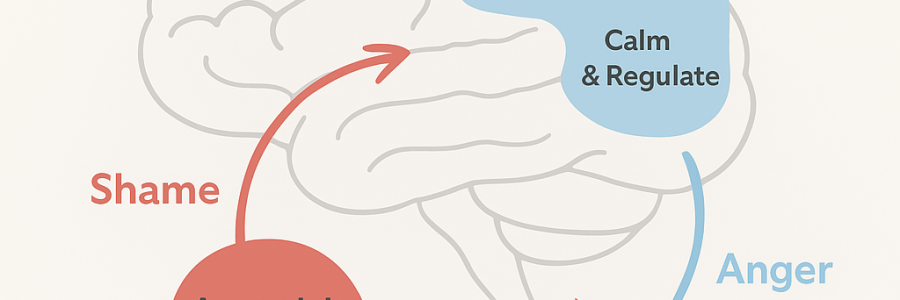
💙 — deep shame and unresolved anger in adulthood often trace back to early attachment issues. Neuroscience shows that the first years of life are when the brain’s relational blueprint is formed, and if a child’s caregivers are inconsistent, neglectful, frightening, or rejecting, those early experiences can wire the brain for mistrust, self-blame, and dysregulated emotions. Let… Read More 🔬 How Attachment Issues Lead to Shame & Anger in Adults

1. Attachment is Biological, Not Just Emotional

💙 — when a baby is separated from their birth mother (whether due to maternal health issues, hospitalization, or adoption), it can have profound effects on early attachment, because the brain is wired to expect continuous, responsive caregiving in those first weeks and months. Let me explain from a neuroscience and psychological perspective: 🧠 What… Read More 1. Attachment is Biological, Not Just Emotional

🔬 Early Attachment from a Neuroscience Perspective

Early attachment issues are one of the most important areas where neuroscience and psychology meet, because the way a child bonds (or struggles to bond) with caregivers literally wires their brain. Let me unpack this in a neuroscience-based way: 🔬 Early Attachment from a Neuroscience Perspective 1. The Brain’s “Attachment Circuitry” 2. Stress and the HPA Axis… Read More 🔬 Early Attachment from a Neuroscience Perspective

💡 Healing Early Attachment Wounds

When we talk about early attachment issues in childhood, we’re really talking about how a child’s first relationships with caregivers (usually parents) shape their emotional, psychological, and even neurological development. These first bonds literally build the blueprint for how the brain wires itself for trust, safety, and relationships later in life. Here’s a warm but deep… Read More 💡 Healing Early Attachment Wounds

🌹 The True Meaning of “Class”

When people call you classy, they aren’t just noticing your style. They’re recognizing a set of qualities that reflect inner strength and integrity. 1. Grace Under Pressure Psychologically, “class” often means you handle life’s challenges with dignity. Even when you’ve been through pain or trauma, you don’t let bitterness define you. Neuroscience shows that resilience—the brain’s ability… Read More 🌹 The True Meaning of “Class”

Coming Back to Life: The Neuroscience of Healing After Abuse

After months of isolation and abuse, stepping back into the world of friends, family, and community can feel like a rebirth. People often notice the change before you do—they comment on how much more relaxed you seem, how your face looks younger, how you carry yourself differently, and how your old confidence shines through. From… Read More Coming Back to Life: The Neuroscience of Healing After Abuse

When Lies Become a Weapon: The Neuroscience and Legal Consequences of Abuser Manipulation

Introduction Abuse rarely stops at bruises or insults. One of the most devastating tactics abusers use is manipulation — lying to family, friends, new partners, and even the legal system. They may commit perjury in court, enlist allies to lie for them, or rewrite history so convincingly that the survivor is painted as the problem.… Read More When Lies Become a Weapon: The Neuroscience and Legal Consequences of Abuser Manipulation