The Psychology of Digital Intimidation: Why Some Abusers Escalate During Divorce

By Linda Carol When a relationship ends, healthy people grieve, reflect, and eventually rebuild.Abusive people, however, often do something different: they intensify control.They move from affectionate texts to weaponized messages — from WhatsApp to email — using new channels to reassert power, rewrite the story, and destabilize the person trying to break free. This pattern is… Read More The Psychology of Digital Intimidation: Why Some Abusers Escalate During Divorce
The Neuroscience of Digital Threats: When WhatsApp Becomes a Tool of Psychological Harassment

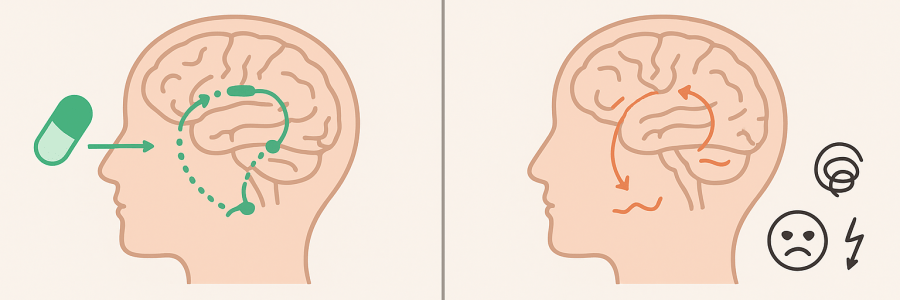
By Linda Carol Technology has given us new ways to connect — and new ways to control, intimidate, and wound.When a message pings on WhatsApp, our brain reacts long before we consciously read it.If that message contains threats, emotional pressure, or blackmail, it doesn’t just disturb the mind — it leaves measurable imprints on the nervous… Read More The Neuroscience of Digital Threats: When WhatsApp Becomes a Tool of Psychological Harassment

🧠 What “Homeostatic Pull” Means

Homeostasis is a biological term that means balance or stability.Your body is always trying to stay within certain limits — temperature, blood sugar, heart rate, hormone levels — all kept steady by automatic systems. In psychology, we borrow that idea to describe how people and families unconsciously try to keep emotional balance, even if that “balance” is unhealthy. So, homeostatic pull refers to… Read More 🧠 What “Homeostatic Pull” Means

The Psychology of Minimizing Abuse: Why Families Say “You’ll Both Move On”

By Linda Carol When someone tells you, “In a year you’ll both have moved on,” while you’re still reeling from trauma or even ongoing harassment, it can feel like a slap.It sounds well-meaning on the surface — a gesture toward healing or optimism — but underneath, it’s a subtle act of emotional erasure. Why do people say things… Read More The Psychology of Minimizing Abuse: Why Families Say “You’ll Both Move On”

“In a year, you’ll both have moved on”

When a family member says something like “In a year, you’ll both have moved on” — while you’re still processing trauma or even enduring harassment — it can feel invalidating, even shocking. From psychology and neuroscience, this kind of response tells us a lot about how the human brain avoids discomfort, how social cognition works, and why people often side with… Read More “In a year, you’ll both have moved on”

Learning to Love Again After Fear

Dating again while still being stalked or harassed by an ex after leaving a long marriage involves deep emotional, neurological, and psychological layers. Let’s unpack this from both neuroscience and psychology, and then look at what you can do to protect both your emotional safety and your new connections. 🧠 Neuroscience: What’s Happening in the Brain 1. Chronic threat keeps the brain… Read More Learning to Love Again After Fear

The Brain’s Safety System Is Still on Alert

When an abuser continues to intrude or stalk, even after you’ve left, it interferes with the brain’s natural healing and rewiring process. Let’s unpack what’s happening — both neurologically and psychologically — and why it can feel like your brain is being “hijacked” by the connection that refuses to die. 1. The Brain’s Safety System Is… Read More The Brain’s Safety System Is Still on Alert

The Neuroscience of Peaceful Living and Real Connection

Calm evenings out with real conversation.Someone who smiles, listens, and asks you questions — not to judge, but to connect.Evenings at home, sharing a meal, playing guitar, singing together.Weekends with friends and our dogs who’ve made the move to Spain.Fun days and nights with family — eating, laughing, relaxing. This is how life should be:No… Read More The Neuroscience of Peaceful Living and Real Connection

The Power of Acceptance: Letting Your Partner Be Themselves

One of the deepest lessons in love is learning to let someone be who they are. We often enter relationships with hope that our partner will change — that certain habits, opinions, or patterns will shift to align with our own vision of a “perfect” partnership. But neuroscience and psychology show us that trying to change… Read More The Power of Acceptance: Letting Your Partner Be Themselves

Love Has No Age: The Neuroscience of Living in the Moment

Yesterday, someone told me, “We’re too old for relationships.”Later that same day, another voice said the opposite — “It depends on where you are in your healing, and what feels right for you.” And that’s the truth: it always depends on where your heart and mind are in their journey. From a psychological view, healing reshapes the… Read More Love Has No Age: The Neuroscience of Living in the Moment