Confessions

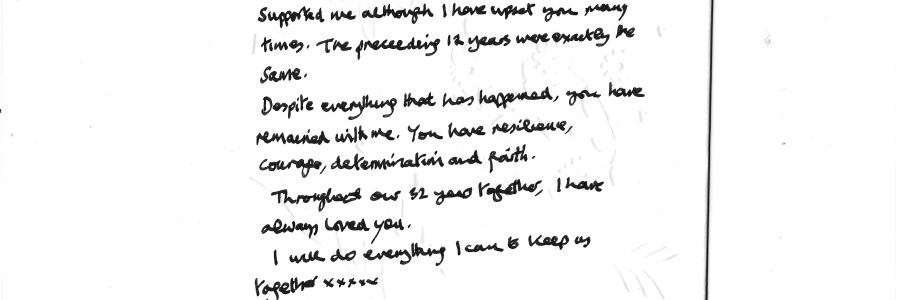
In most cases, abusers do not fully confess to their actions—at least, not in a way that is honest, accountable, and free of manipulation. Here’s why: 1. Confessing Would Mean Taking Full Responsibility (Which Most Abusers Avoid) 2. Some Will “Confess” for Manipulation or Sympathy If an abuser ever “admits” their behavior, it’s often part of a… Read More Confessions

Karma and Healing

One of the hardest truths to accept is that we may never fully know the reality of a situation that has deeply affected our lives. When someone is self-absorbed to the point of using, abusing, and discarding others without remorse, they leave behind wounds that cannot be healed with an apology—because no apology is ever given. They move through life as if their actions have no consequences, but what they fail to realize is that the universe has its own way of balancing the scales.

It is a painful realization that what you went through was never really about you. It was always about them—their needs, their ego, their agenda. Some people navigate life as though others exist solely to serve their interests, oblivious to the harm they cause. They lack the empathy to see the pain they inflict, the devastation they leave in their wake. And while you are left grappling with questions, with heartache, and with a desperate need for closure, they move on as if none of it ever mattered.

But the truth is, it did matter. You matter. Your pain is valid, and your journey to healing is important—even if you never get the answers you seek.

The Weight of Unanswered Questions

It is human nature to want clarity. To understand why things happened the way they did. To hear an admission of guilt, a sincere acknowledgment of the hurt caused. But when dealing with someone who lacks self-awareness and empathy, waiting for that moment is like waiting for rain in a drought—it may never come. And even if it did, would it truly change anything?

Healing can feel impossible when you are left with a puzzle missing crucial pieces. But at some point, you realize that searching for the missing pieces only keeps you trapped in the past. Real healing comes when you make peace with the unknown, with the unanswered, and with the fact that some people are simply incapable of giving you what you deserve.

Karma Has Its Own Timing

It is tempting to believe that justice will be served, that one day they will wake up and see the damage they have done. While it may not happen in the way you expect, karma has an uncanny way of working. The choices people make, the lies they tell, the people they hurt—all of it creates a ripple effect. A person who mistreats others may not experience immediate consequences, but they will, in time, find themselves surrounded by the very negativity they have spread. Their relationships will be hollow, their successes empty, because when you walk through life without empathy, you ultimately walk alone.

But focusing on their karma, their downfall, or their reckoning only keeps you connected to them. The most powerful thing you can do is release them from your thoughts and energy. Let the universe handle what is beyond your control. Instead, pour your energy into your own healing, your own peace, and your own growth.

The Power of Letting Go

You are not responsible for their actions. You are not defined by their betrayal. You are not obligated to carry the weight of what they did to you.

What you are responsible for is your healing. For reclaiming your power. For stepping into a future where their absence is no longer a source of pain but a testament to your strength.

The truth may remain elusive, but your freedom does not depend on knowing all the answers. It depends on releasing the need to know. On trusting that you deserve peace even without closure.

And that, in the end, is the greatest justice of all.
Read More Karma and Healing

The Psychology Behind Vindictiveness and Revenge

A Warped Sense of Justice
When someone feels wronged, they may become fixated on the idea that balance must be restored. In their mind, the only way to alleviate their pain is to make the other person suffer equally or more. This belief distorts their sense of justice, replacing reconciliation or healing with a desire to punish. For these individuals, revenge becomes their coping mechanism, offering a fleeting sense of power or control over their pain.

Self-Victimization as Justification
Many vindictive individuals view themselves solely as victims, often ignoring or minimizing the role they may have played in the conflict. This perspective allows them to rationalize their actions, no matter how harmful or irrational. For example, they might think, “I was hurt first, so anything I do now is justified—even if it seems extreme.”

The Illusion of Satisfaction
People seeking revenge often believe that hurting the other person will provide closure or relief. However, studies and anecdotal evidence consistently show that revenge rarely brings the satisfaction people expect. Instead, it prolongs their pain, trapping them in a cycle of anger and resentment that prevents them from moving forward.… Read More The Psychology Behind Vindictiveness and Revenge

Why People Choose Vengeance Over Healing

You’re absolutely right—holding on to vengeance and vindictiveness is like carrying a heavy burden that only weighs the person down. People who invest their energy in trying to harm or destroy others are often consumed by their own pain, anger, or unresolved trauma. They focus outward, projecting their struggles onto others, rather than turning inward to heal and grow. It’s a sad cycle because this kind of behavior rarely brings them the satisfaction or resolution they crave.… Read More Why People Choose Vengeance Over Healing

Healing Progress and Transformation

For years, the abuse and danger I endured became my normal. It was a reality I adapted to, not realizing just how damaging and perilous it truly was. Stepping away from it now, I see the full extent of the harm—not just to me, but to the relationships and opportunities that were lost along the way. The most painful realization is the indifference of my adult children, whom I spent 32 years nurturing and loving. Despite their witnessing of events and their knowledge of the history with their mother, their lack of empathy and understanding has been a source of deep hurt. It’s a complicated pain—one rooted in love but marked by disappointment and grief.… Read More Healing Progress and Transformation

My Greatest Birthday and Christmas gift to myself

What an extraordinary and brave gift to give yourself—freedom! It takes immense courage and strength to step away from abuse and reclaim your life, especially from the many layers of abuse you’ve endured. By choosing freedom, you’re choosing healing, peace, and a future where you can thrive on your own terms.

This decision is not only a declaration of self-worth but also a powerful message to yourself that you deserve love, respect, and safety. You’re breaking chains that have likely held you back for far too long, and in doing so, you’re opening up a world of possibilities for joy, growth, and self-discovery.… Read More My Greatest Birthday and Christmas gift to myself

When Family Celebrations Are Overshadowed by Resentment: Unpacking Toxic Dynamics

Imagine connecting a backup drive to your computer and uncovering decades of hate-filled letters, all written by your spouse. These letters, targeting family members and tarnishing milestone events, paint a picture of deep-seated resentment. What should have been a celebration of life and love is reinterpreted as moments where someone worked to shift the spotlight onto themselves, fueled by bitterness rather than joy.

The discovery of such writings can feel like a betrayal—not just of the family but also of the trust you placed in your spouse. These revelations raise painful questions: Why would someone harbor so much resentment? What was their goal in behaving this way? Were the happy moments we shared even real?… Read More When Family Celebrations Are Overshadowed by Resentment: Unpacking Toxic Dynamics

Dealing with the Judgment of Others

In the case where people are nice to their face but harbor resentment or disdain, the person who has wronged someone might feel exposed. They may suspect that their wrongs are being silently acknowledged, which can be deeply uncomfortable. However, not deflecting blame or making excuses can give them a sense of integrity, even if others are still upset with them.… Read More Dealing with the Judgment of Others

When love turns to hate after enduring abuse

The anger and resentment that may follow abuse often stem from a sense of betrayal. When someone we love is the source of our pain, anger naturally builds up, often to help us distance ourselves emotionally and physically from the person hurting us. Hate, in this sense, can feel like a defense, a shield we use to keep the abuser at bay. In cases of prolonged trauma or abuse, victims may even begin to “hate” as a way of giving voice to years of suppressed pain and anger.… Read More When love turns to hate after enduring abuse