All Take, No Give: The Science of Humans Who Live in Transaction Mode

You know them.The ones who: 🧠 The Neuroscience of Selfishness Your brain loves reciprocity. It’s hardwired for cooperation and social bonding. When we give, oxytocin floods our system, creating that warm, fuzzy, “I’m part of a tribe” feeling. But some people’s brains? Not so much.For them, dopamine is only triggered by gains, not connection. Emotional generosity, practical help, even basic… Read More All Take, No Give: The Science of Humans Who Live in Transaction Mode

“When You Meet Someone with Emotional Empathy”

“When You Meet Someone with Emotional Empathy” There’s a moment — subtle, but unforgettable — when you realize you’re in the presence of someone who truly feels with you. Not just someone who listens, or nods, or says the right things… but someone who is emotionally present in a way that makes you feel profoundly seen, held, and… Read More “When You Meet Someone with Emotional Empathy”

🔍 “When Words and Energy Don’t Match: How Emotionally Intelligent People and Therapists Spot Emotional Incongruence”

Have you ever walked away from a conversation feeling unsettled—even though, on the surface, nothing seemed wrong? Maybe someone said all the right things, but their tone felt cold, their eyes didn’t match their smile, or their energy just felt… off. You may not have had the words for it, but what you were sensing was… Read More 🔍 “When Words and Energy Don’t Match: How Emotionally Intelligent People and Therapists Spot Emotional Incongruence”

Cold and Callus vs Kind and Caring

The differences between individuals who exhibit traits like coldness, callousness, and a lack of care versus those who are compassionate, loving, and kind can be shaped by a variety of factors—biological, environmental, and personal experiences. Here are a few key influences: 1. Early Childhood Experiences and Attachment Styles A lot of emotional patterns stem from early… Read More Cold and Callus vs Kind and Caring

Intelligence

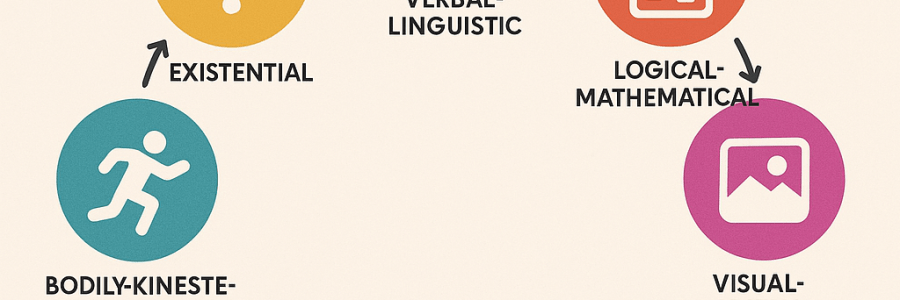
Howard Gardner introduced the Theory of Multiple Intelligences in his 1983 book Frames of Mind: The Theory of Multiple Intelligences. He proposed that intelligence is not a single entity but a collection of different cognitive abilities. Below are the nine types of intelligence he identified: Each type of intelligence plays a role in how we understand… Read More Intelligence

Step Families

This is a vital opportunity for you to finally express your feelings and shed light on the behaviors of the stepfamily that have caused you so much pain. Being able to discuss this with a court psychologist is not only a chance for you to articulate your experience but also an opportunity for someone professional to help unpack and analyze the dynamics at play. It’s especially significant when those behaviors—marked by a lack of empathy, care, or support—have left such a deep emotional wound, particularly after all the love and effort you poured into the relationship for three long decades.

Their complete disregard for how this has impacted you, despite your history of support and care, is profoundly hurtful. It’s a stark reminder of the imbalance in these relationships and how, when things truly matter, their behavior reveals an absence of the very empathy and consideration that form the foundation of meaningful connections. It’s bewildering and heartbreaking when people you’ve supported and loved fail to reciprocate that same care when you need it most.

With the court psychologist, you can shed light on these dynamics, not in a way to assign blame alone, but to seek understanding of the why. Why has their behavior shifted (or remained indifferent)? Is it rooted in entitlement, selfishness, or a lack of emotional maturity? Or is there a deeper reason behind their detachment? Exploring these questions in a safe, structured setting can help not only validate your feelings but also provide clarity.… Read More Step Families

The Role of Emotional Intelligence in Empathy and Compassion

Strengthening empathy and compassion through emotional intelligence is a powerful way to create deeper, more meaningful connections with others. Emotional intelligence (EI) plays a crucial role in how we relate to ourselves and the people around us, especially when it comes to understanding and responding to emotions. By fostering empathy and compassion, we not only enhance our relationships but also contribute to a more harmonious and understanding world.a. Self-Awareness: The foundation of empathy is self-awareness. When we are in touch with our own emotions, we are better able to understand and recognize emotions in others. Self-awareness helps us become attuned to how our feelings influence our perceptions and responses, which in turn makes it easier to understand others’ emotional states.c. Motivation: People with strong emotional intelligence are intrinsically motivated to help others, which is a key aspect of compassion. They are more likely to take action to alleviate suffering, support others in times of need, and engage in acts of kindness without seeking anything in return. This motivation comes from a place of genuine care and a desire to improve the well-being of others.… Read More The Role of Emotional Intelligence in Empathy and Compassion

Contrast between public empathy and private cruelty

This can also deeply affect those who are particularly empathetic or trusting, often leading them to second-guess their own judgments about others. Discovering that someone you thought was kind and empathetic is actually cold and cruel behind closed doors can even lead to feelings of betrayal or trauma, as it forces a person to re-evaluate their own ability to perceive character and intentions accurately.… Read More Contrast between public empathy and private cruelty