EMDR


Building Resilience and Healing While childhood trauma reshapes the brain’s architecture, it’s crucial to note that the brain retains a remarkable capacity for adaptation and healing. Therapeutic interventions, supportive environments, and nurturing relationships play pivotal roles in facilitating positive brain changes and fostering resilience. Trauma-focused therapies such as Cognitive Behavioral Therapy (CBT), Eye Movement Desensitization… Read More Examples of Altered Brain Architecture
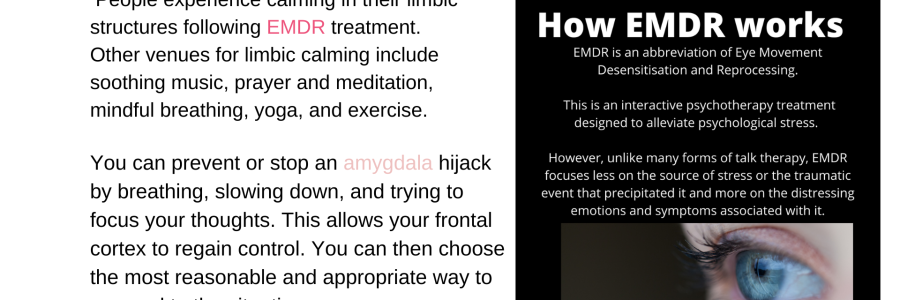
Eye Movement Desensitization and Reprocessing (EMDR) is a therapeutic approach specifically designed to help individuals process and heal from traumatic experiences. Here’s a detailed explanation of how EMDR is used in therapy:… Read More “Reconnecting Mind and Body: EMDR’s Trauma Recovery Journey”

Why Therapists Use EMDR?… Read More Why Therapists Use EMDR?
EMDR is talked about in a transformative manner. There are conditions, which need to be present for EMDR to work, and connections exist between the EMDR method and therapist as agents of change. For practitioners, a pluralistic approach, incorporating the EMDR method could be used to carry out tasks in therapy to achieve therapeutic goals… Read More What do clients say about their experiences of EMDR in the research literature?

The overall effect of trauma can be described as “loss of sense of aliveness, motivation, excitement, and purpose.” In brain scans of 18 chronic PTSD patients (Post-Traumatic Stress Disorder), the researchers discovered something startling: there was almost no activation of the “self-perceiving” areas of the brain compared to non-traumatized subjects: the medial prefrontal cortex, anterior… Read More The effect of trauma
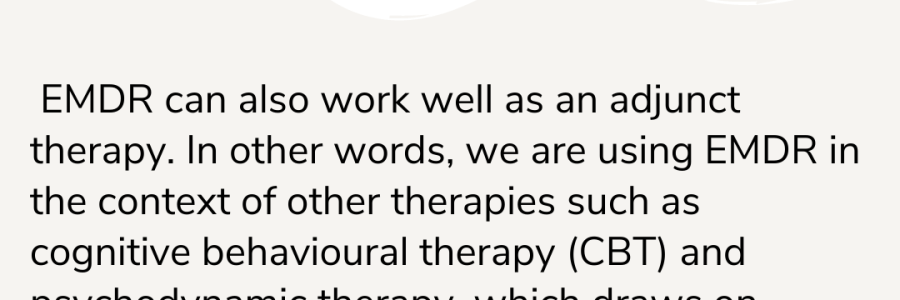

When you’re chronically stressed or overwhelmed you tend to keep reacting in the same emotional way over and over. This conditions your nervous system to potentially (mis)read your environment based on past experiences, and the associations and perceptions you’ve formed around those experiences. It also trains your mind to automatically think more negative thoughts and… Read More Chronic Stress

Stress is unavoidable and can, under the right conditions, even be beneficial. We can’t escape stress, but we can befriend it. We can learn to control our stress response and channel that energy in constructive and creative ways. If you’re experiencing chronic stress or feeling constantly on edge chances are you’ve got an overactive sympathetic… Read More Stress is unavoidable
 Linda C J Turner | Trauma Therapist & Emotional Healing Specialist