How CBT Works for Substance Abuse
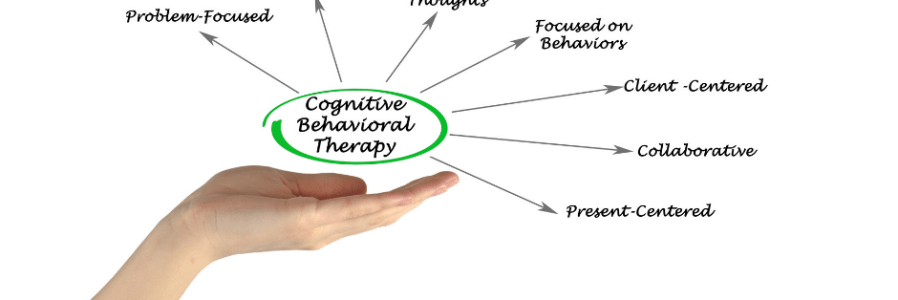
Cognitive Behavioral Therapy (CBT) is highly suitable for treating substance abuse and addiction. It is one of the most widely used therapeutic approaches for addressing the behavioral and emotional aspects of addiction. CBT has been found to be effective in helping individuals not only break free from substance abuse but also develop healthier coping mechanisms to manage triggers, cravings, and the psychological components of addiction.… Read More How CBT Works for Substance Abuse
“Breaking the Cycle: CBT’s Approach to Behavioral Change”

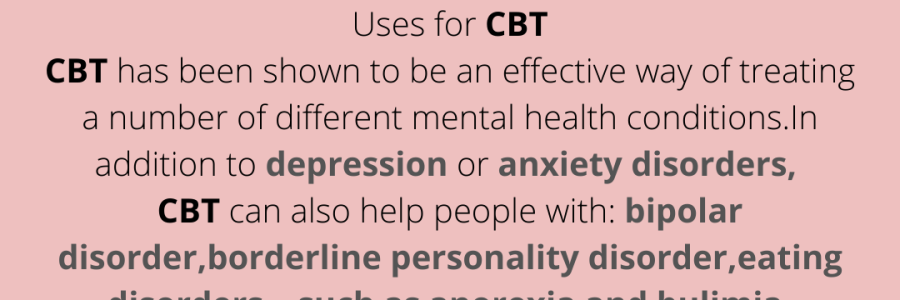
CBT is a highly effective therapeutic approach, and its structured and goal-oriented nature makes it suitable for a wide range of psychological conditions, including anxiety disorders, depression, PTSD, and more. It empowers individuals to take an active role in their own recovery and provides practical tools for managing distressing thoughts and behaviors.… Read More “Breaking the Cycle: CBT’s Approach to Behavioral Change”

CBT Therapy

Cognitive Behavioral Therapy Cognitive behavioral therapy (CBT) is a psychosocial intervention approach in which behavioral change is initiated by a therapist helping patients to confront and modify the irrational thoughts and beliefs that are most likely at the root of their maladaptive behaviors. Maladaptive behaviors are those that prevent an individual from adjusting appropriately to normal… Read More CBT Therapy

CBT in Later Life

Cognitive behavioral therapies (CBTs) and interventions have strong evidence of being effective for behavioral health conditions in diverse middle-aged and older adults. Not all aging individuals require adaptations of standard CBTs, yet some features of later life merit special attention. Culturally responsive CBTs include affirmation of personal strengths, along with consideration of modifications to improve clinical… Read More CBT in Later Life