Toxic Environment

Normalization of Drug Use:
In environments where substance use is normalized, the individual doesn’t face the social or personal pressures to quit. They’re surrounded by people who reinforce the idea that drug use is acceptable or even necessary for social bonding. These circles can create a toxic bubble where addiction is not only accepted but encouraged, making it even harder for someone to break away. Shared Denial and Rationalization:

Among other users, people often validate and rationalize each other’s behavior. Phrases like “We’re all just having fun” or “It’s not a problem as long as you can handle it” are common. This collective denial can make the individual feel justified in continuing their substance abuse. When everyone around them is engaging in the same behavior, it becomes harder for them to recognize that they have a problem.

Fear of Isolation:

Breaking away from a group of users can be emotionally terrifying for someone struggling with addiction. They may fear that leaving their social circle means facing loneliness, rejection, or isolation. If these are the only people they feel connected to, the idea of quitting might also mean losing their support network—albeit a toxic one. This can cause them to cling even more tightly to the group, despite knowing deep down that it’s harming them.… Read More Toxic Environment

Learning to Let Go and Set Boundaries

It’s incredibly difficult to watch someone you love refuse treatment or help when it’s clear they need it. However, change is a deeply personal journey, and until they’re ready, there’s little you can do to force it. What you can do is manage your own responses, set healthy boundaries, and ensure that you’re not sacrificing your own well-being in the process.

While you can’t control their choices, you can choose how to show up in their life in a way that is compassionate, supportive, and protective of your own needs. And sometimes, that’s the most powerful form of help you can offer.… Read More Learning to Let Go and Set Boundaries

Refusing Treatment

Denial of the Problem:
What it looks like: The person insists that their substance use is “under control” or “not a big deal.” They downplay the extent of the problem, refusing to see the negative impact it has on their life and others around them.
Why it happens: Addiction often comes with a powerful sense of denial. Admitting the problem would require the person to face their vulnerabilities, guilt, or shame. They may also fear losing the coping mechanism they’ve developed.… Read More Refusing Treatment

How Substance Abuse Influences Behavior

Accountability still matters: Even if the person is struggling with addiction, they are still responsible for their actions. Excusing bad behavior because of addiction can enable it. People in addiction can seek help, but they need to be held accountable for the harm they cause to others, whether that’s emotional manipulation, lying, or controlling behavior.… Read More How Substance Abuse Influences Behavior

Supplying underage children with cocaine

Supplying drugs to minors (anyone under the age of 18) is seen as an aggravating factor that will likely result in a significantly higher sentence.

The Sentencing Council guidelines make it clear that drug offences involving children, particularly when the offender is in a position of authority or trust (like a parent, teacher, or caregiver), are among the most serious and deserve harsher punishments.… Read More Supplying underage children with cocaine

Possession with intent to supply

If someone is found in possession of ketamine and it is believed they intend to supply it (even if not caught in the act of supplying), they can face harsh penalties.

Maximum penalty: up to 14 years in prison, an unlimited fine, or both. The actual sentence may depend on factors such as the quantity of the drug, the role of the person involved (e.g., whether they are a low-level dealer or part of a large distribution network), and previous criminal records.… Read More Possession with intent to supply

Hospitalization and treatment for chronic drug use

Hospitalization and treatment for chronic drug use typically involve a combination of medical detoxification, psychiatric evaluation, counseling, and rehabilitation. The goals of treatment are to help the individual safely withdraw from drugs, address any co-occurring mental health issues, and provide long-term strategies for maintaining sobriety. Let’s break this down step-by-step:… Read More Hospitalization and treatment for chronic drug use

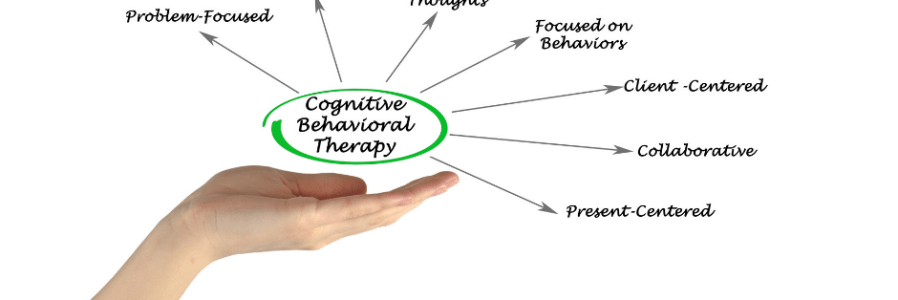
How CBT Works for Substance Abuse

Cognitive Behavioral Therapy (CBT) is highly suitable for treating substance abuse and addiction. It is one of the most widely used therapeutic approaches for addressing the behavioral and emotional aspects of addiction. CBT has been found to be effective in helping individuals not only break free from substance abuse but also develop healthier coping mechanisms to manage triggers, cravings, and the psychological components of addiction.… Read More How CBT Works for Substance Abuse

Reinforcement of Negative Behaviors

Surrounding yourself with friends who share depressive moods and substance abuse tendencies can create a toxic environment that worsens both your addiction and your mental health. The collective reinforcement of negative behaviors, emotional contagion, and shared avoidance of problems makes it harder to break free from harmful patterns. To truly recover, finding support outside of that social circle—whether through therapy, healthier relationships, or support groups—can be crucial in escaping the grip of addiction and depression.… Read More Reinforcement of Negative Behaviors

Acknowledgment and Acceptance

Recovery from drug abuse is about so much more than just stopping the use of a substance. It’s a comprehensive, multifaceted process that requires deep emotional work, the rebuilding of self-esteem, and the establishment of a strong support network. A trauma-informed approach to recovery can be particularly powerful, as it helps individuals confront the root causes of addiction, allowing for not just sobriety, but true emotional and psychological healing.

If someone is ready to embark on this journey, it’s important to remind them they are not alone, and their willingness to seek help is an act of immense courage. Each step forward is a victory worth celebrating.… Read More Acknowledgment and Acceptance