When Addiction Becomes Dangerous

Addiction affects the brain’s reward system, altering the way it processes pleasure, motivation, and decision-making. Over time, this rewiring makes it increasingly difficult for a person to experience joy from everyday activities or to make rational choices about their substance use. This is why people with addiction often find themselves using even when they don’t want to—it’s no longer just a choice but a compulsion driven by their brain’s altered chemistry.… Read More When Addiction Becomes Dangerous

Signs That It’s Time to Intervene and Seek Help

Self-Harm or Suicidal Ideation: If the individual expresses thoughts of self-harm or suicide or has made any attempts to hurt themselves, it’s critical to seek help immediately. This behavior is a strong indicator of the severe mental distress caused by their drug use.

Engaging in Dangerous Activities: If your loved one engages in high-risk activities, like reckless driving, unsafe drug use methods, or placing themselves in dangerous situations, this is a sign that their judgment is seriously impaired.… Read More Signs That It’s Time to Intervene and Seek Help

Paranoia and Aggression

Seeing Friends, Family, or Pets as Threats: Users under the influence of stimulants may misinterpret the words or actions of loved ones, seeing even benign comments or gestures as signs of hostility or betrayal. Their heightened state of suspicion can turn a minor disagreement into a full-blown confrontation.

Aggressive Reactions: In this paranoid state, stimulant users might lash out verbally or physically at those around them. They may feel the need to defend themselves against perceived threats, which can lead to verbal abuse, physical violence, or even destructive behavior towards property.

Unpredictable Behavior: This aggression is often unpredictable and can escalate quickly. Loved ones might find themselves walking on eggshells, afraid of triggering a sudden outburst over something seemingly trivial.… Read More Paranoia and Aggression

Toxic Environment

Normalization of Drug Use:
In environments where substance use is normalized, the individual doesn’t face the social or personal pressures to quit. They’re surrounded by people who reinforce the idea that drug use is acceptable or even necessary for social bonding. These circles can create a toxic bubble where addiction is not only accepted but encouraged, making it even harder for someone to break away. Shared Denial and Rationalization:

Among other users, people often validate and rationalize each other’s behavior. Phrases like “We’re all just having fun” or “It’s not a problem as long as you can handle it” are common. This collective denial can make the individual feel justified in continuing their substance abuse. When everyone around them is engaging in the same behavior, it becomes harder for them to recognize that they have a problem.

Fear of Isolation:

Breaking away from a group of users can be emotionally terrifying for someone struggling with addiction. They may fear that leaving their social circle means facing loneliness, rejection, or isolation. If these are the only people they feel connected to, the idea of quitting might also mean losing their support network—albeit a toxic one. This can cause them to cling even more tightly to the group, despite knowing deep down that it’s harming them.… Read More Toxic Environment
Learning to Let Go and Set Boundaries

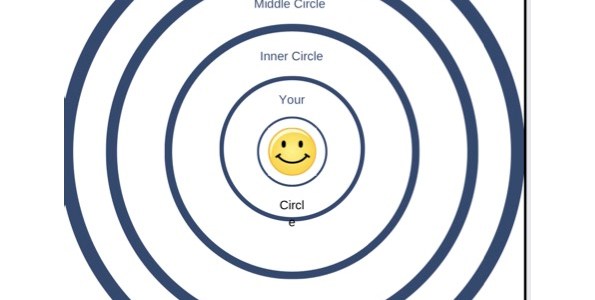
It’s incredibly difficult to watch someone you love refuse treatment or help when it’s clear they need it. However, change is a deeply personal journey, and until they’re ready, there’s little you can do to force it. What you can do is manage your own responses, set healthy boundaries, and ensure that you’re not sacrificing your own well-being in the process.

While you can’t control their choices, you can choose how to show up in their life in a way that is compassionate, supportive, and protective of your own needs. And sometimes, that’s the most powerful form of help you can offer.… Read More Learning to Let Go and Set Boundaries

Refusing Treatment

Denial of the Problem:
What it looks like: The person insists that their substance use is “under control” or “not a big deal.” They downplay the extent of the problem, refusing to see the negative impact it has on their life and others around them.
Why it happens: Addiction often comes with a powerful sense of denial. Admitting the problem would require the person to face their vulnerabilities, guilt, or shame. They may also fear losing the coping mechanism they’ve developed.… Read More Refusing Treatment

How Substance Abuse Influences Behavior

Accountability still matters: Even if the person is struggling with addiction, they are still responsible for their actions. Excusing bad behavior because of addiction can enable it. People in addiction can seek help, but they need to be held accountable for the harm they cause to others, whether that’s emotional manipulation, lying, or controlling behavior.… Read More How Substance Abuse Influences Behavior

Dysfunctional Behaviour

Setting strong boundaries is key. Boundaries protect your emotional well-being and ensure you’re not absorbing the negative energy or dysfunction others project. It’s a form of self-respect, making it clear that you won’t tolerate disrespect or mistreatment. And when someone crosses those boundaries or cuts you off for no reason, it says so much more about them than it ever does about you.… Read More Dysfunctional Behaviour

Unlawful detention of property

Passport: A passport is considered the property of the issuing government, not the individual who holds it. For example, a UK passport belongs to the UK government, and its misuse (including holding it against someone’s will) could lead to legal issues. Refusing to return someone’s passport could be seen as unlawful interference with their travel rights or, in some cases, coercion.

Birth Certificate: A birth certificate is an official record of a person’s identity and citizenship. Holding onto someone’s birth certificate without permission could be considered unlawful, particularly if it prevents the person from accessing their identity documents for legal, financial, or personal reasons.… Read More Unlawful detention of property

Unauthorized access to computer material

In the UK, hacking into someone’s social media account falls under several legal frameworks, including the Computer Misuse Act 1990, Data Protection Act 2018, and Fraud Act 2006. Offenses range from unauthorized access to identity theft, and penalties can include fines, imprisonment, and civil liability. The UK legal system treats these crimes seriously, especially when they result in harm to others.… Read More Unauthorized access to computer material