Unveiling the Untold Damage

Children, with their innocence and impressionability, are especially susceptible to external influences and manipulation. When thrust into the intimidating environment of a courtroom, their sense of security and trust may be shattered, leaving them vulnerable to coercion or pressure from adults with malicious intent.

In cases where children are coerced into lying, the repercussions can be profound and enduring. The trauma inflicted upon them extends far beyond the confines of the legal system, seeping into every aspect of their lives and leaving indelible scars on their psyche.… Read More Unveiling the Untold Damage

The Ethics of “Naming and Shaming”

Furthermore, the effectiveness of “naming and shaming” as a means of promoting accountability is subject to debate. While some may argue that public exposure is a powerful deterrent against misconduct, others question its long-term efficacy in fostering genuine change. In many cases, individuals or organizations may respond defensively or double down on their behavior in the face of public scrutiny, rather than taking steps to address the root causes of their wrongdoing.… Read More The Ethics of “Naming and Shaming”

Ensuring Safety

When you’re not at home, your property becomes vulnerable. Whether it’s a cleaner, a repair person, or a maintenance worker, these individuals have unrestricted access to your personal space. This vulnerability is heightened if they have not undergone thorough background checks. Without proper screening, you risk exposing yourself to potential theft, invasion of privacy, or other criminal activities.… Read More Ensuring Safety

Personal Responsibility

Personal Responsibility: Every individual has agency and autonomy when it comes to their behavior and decision-making. While external factors such as medication may influence one’s mental state, ultimately, individuals are accountable for how they choose to act upon their thoughts and emotions. Blaming medication for illegal or immoral behavior undermines the concept of personal responsibility and diminishes the importance of individual agency.… Read More Personal Responsibility

Brain Chemistry

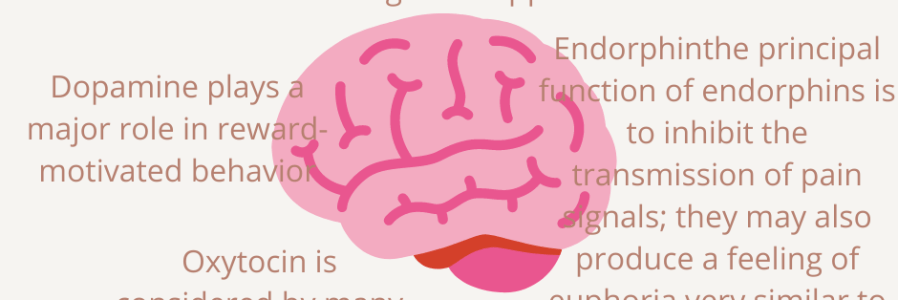
Substance Abuse Disorders: Individuals who struggle with substance abuse disorders, such as addiction to drugs or alcohol, often experience profound changes in behavior and cognition. Chronic substance abuse can alter brain chemistry and impair executive functions, including those related to impulse control, decision-making, and empathy. As a result, individuals may engage in morally questionable behaviors without fully considering the consequences to others.… Read More Brain Chemistry

The Absence of Conscience

The Absence of Conscience: For some individuals, the absence of guilt and conscience can manifest as a disregard for the well-being of others. This may lead to behaviors characterized by selfishness, manipulation, or exploitation, as they prioritize their own interests without regard for the consequences to others. Without a moral compass to guide their actions, they may engage in harmful behaviors without experiencing the associated emotional repercussions.… Read More The Absence of Conscience

“Keeping Your Enemies Close: The Art of Strategic Engagement”

Understanding Motivations: The first step in keeping your enemies close is to understand their motivations and intentions. What drives their actions? What are their goals and objectives? By gaining insight into their mindset and agenda, you can anticipate their moves and formulate effective counter-strategies.… Read More “Keeping Your Enemies Close: The Art of Strategic Engagement”