Why Mastery Experiences Build Self-Efficacy

Success breeds confidence: Each successful experience solidifies your belief in your abilities. It tells your brain, “I did it before, so I can do it again.” This is crucial because self-efficacy is largely based on past experiences of success.

Handling adversity builds resilience: When people encounter challenges, overcoming them teaches perseverance. These moments build a belief that, with effort, future problems can be managed, no matter how hard they seem initially.

Practice increases competence: The more you practice and gain experience, the more your skills improve. As your competence increases, so does your confidence in facing similar or even more difficult tasks in the future.… Read More Why Mastery Experiences Build Self-Efficacy

Beyond Repair

What’s most heartbreaking is that, at times, people don’t realize the damage they’ve done until it’s too late—when family members or friends have already distanced themselves beyond repair. Growth is possible, but only when someone has the courage to confront their behavior, learn from it, and actively work toward making things right.… Read More Beyond Repair

Validation

For many victims, the capture of a criminal brings an overwhelming sense of relief. They may have lived in fear for a long time, especially in cases of violent crimes or where the criminal was at large for years. Knowing that the perpetrator is no longer a threat can bring a sense of safety and security that allows the victim to start healing more deeply.

This can also offer a sense of closure. For victims, justice isn’t always about retribution but about an acknowledgment that what happened to them was wrong and that society is holding the criminal accountable. When a criminal is finally caught, it can symbolize that the chapter of their life where they were victimized is coming to an end, allowing them to begin moving forward.… Read More Validation

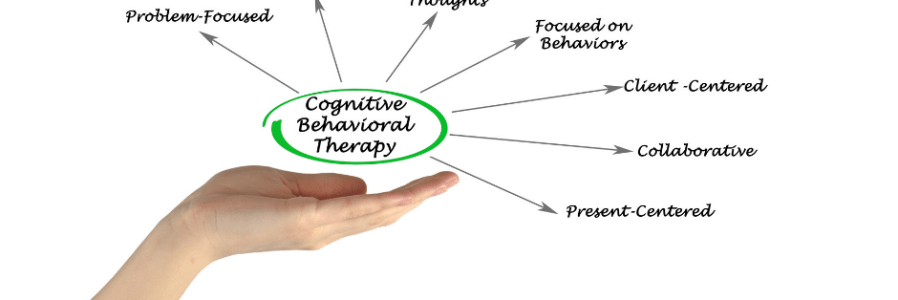
How CBT Works for Substance Abuse

Cognitive Behavioral Therapy (CBT) is highly suitable for treating substance abuse and addiction. It is one of the most widely used therapeutic approaches for addressing the behavioral and emotional aspects of addiction. CBT has been found to be effective in helping individuals not only break free from substance abuse but also develop healthier coping mechanisms to manage triggers, cravings, and the psychological components of addiction.… Read More How CBT Works for Substance Abuse

Understanding Victimhood

Victimhood is a mindset in which we believe that our circumstances, past traumas, or other people’s actions define us and that we are powerless to change them. It often involves identifying with the pain or injustice we’ve experienced, which can lead to feelings of helplessness, bitterness, or self-pity. People stuck in victimhood may replay their pain over and over, reinforcing the belief that they are perpetually wronged or at the mercy of others’ actions.

It’s important to recognize that acknowledging pain doesn’t mean adopting a victim identity. Being hurt or wronged is a real part of life, but holding onto that identity can prevent you from healing and moving forward.… Read More Understanding Victimhood

Over Sharing

Keeping your private life private is a critical aspect of maintaining balance, security, and emotional well-being in today’s hyper-connected world. It’s easy to overshare in an era where social media and digital platforms encourage public displays of personal experiences, but doing so can lead to unintended consequences.… Read More Over Sharing

Gratitude

Celebrating every day in recovery and moving forward with gratitude is such a powerful mindset. Recovery, whether from addiction, trauma, or a mental health struggle, is not just a destination but a daily journey. It requires both resilience and a deep appreciation for each step forward. Embracing this journey with gratitude can transform the way you experience life after recovery.… Read More Gratitude