“Unraveling Self-Sabotage: The Subtle Art of Getting in Your Own Way”

Self-sabotage is a complex psychological phenomenon that can hinder personal and professional growth. Understanding why it happens and recognizing the signs is crucial for breaking the cycle. By taking steps to challenge negative beliefs, set realistic goals, and seek support when needed, individuals can overcome self-sabotage and move towards a more fulfilling and successful life. Remember, you have the power to be your own best ally rather than your worst enemy.… Read More “Unraveling Self-Sabotage: The Subtle Art of Getting in Your Own Way”

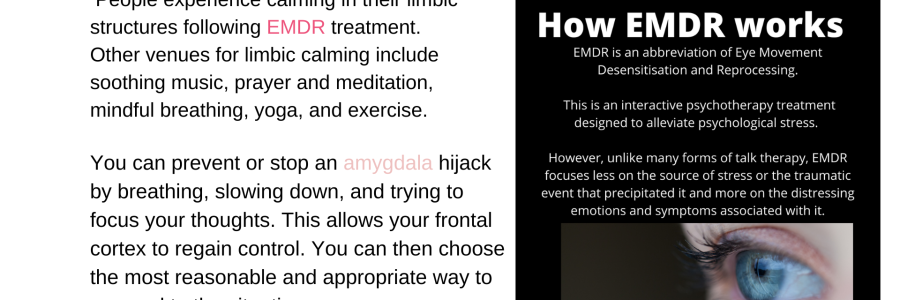
Unlocking Healing Potential: The Vagus Nerve in Trauma Therapy”

The vagus nerve, also known as the tenth cranial nerve or CN X, is a complex and essential part of the autonomic nervous system. It plays a crucial role in regulating various bodily functions and has relevance in therapy, particularly in addressing stress, anxiety, and trauma. Here’s an explanation of the vagus nerve and its significance in therapy:… Read More Unlocking Healing Potential: The Vagus Nerve in Trauma Therapy”

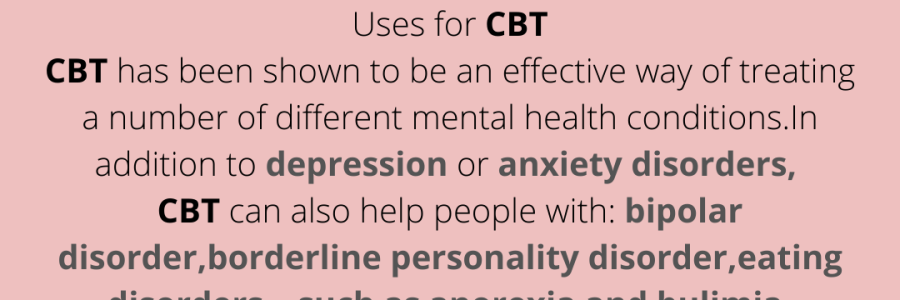
“Breaking the Cycle: CBT’s Approach to Behavioral Change”

CBT is a highly effective therapeutic approach, and its structured and goal-oriented nature makes it suitable for a wide range of psychological conditions, including anxiety disorders, depression, PTSD, and more. It empowers individuals to take an active role in their own recovery and provides practical tools for managing distressing thoughts and behaviors.… Read More “Breaking the Cycle: CBT’s Approach to Behavioral Change”

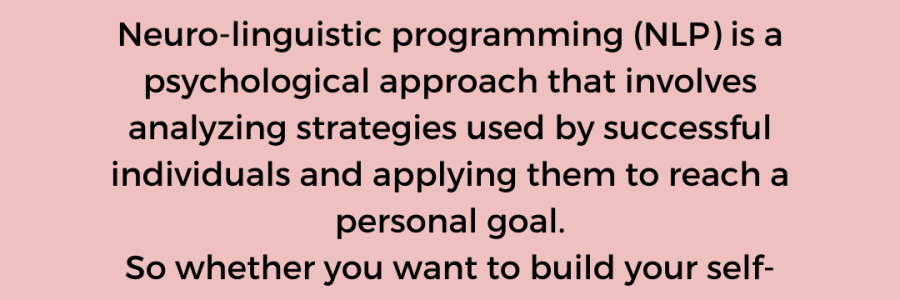
Here’s how NLP can be used in therapy

I think NLP can be a valuable tool in therapy when used appropriately. It provides practical and structured methods for addressing a range of psychological issues, including trauma. However, it’s essential to use NLP in conjunction with evidence-based therapeutic approaches and ensure that it’s applied ethically and with the client’s best interests in mind.… Read More Here’s how NLP can be used in therapy

“Understanding Self-Destructive Enactments: Unraveling Trauma Responses”

The concept of “self-destructive enactments” in the context of trauma responses is an important aspect of understanding how individuals cope with and react to traumatic experiences. These enactments are linked to the four main trauma responses: fight, flight, freeze, and fawn. Let’s explore this trauma typology and how self-destructive enactments manifest in each of these responses.… Read More “Understanding Self-Destructive Enactments: Unraveling Trauma Responses”