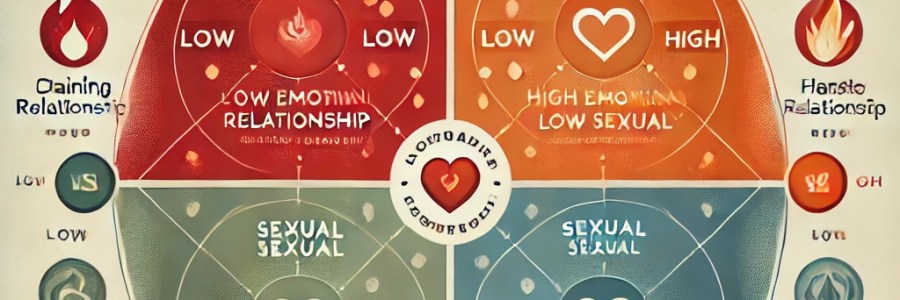
A Trauma-Informed Guide to Dating Again After Loss, Divorce, or Long-Term Relationships
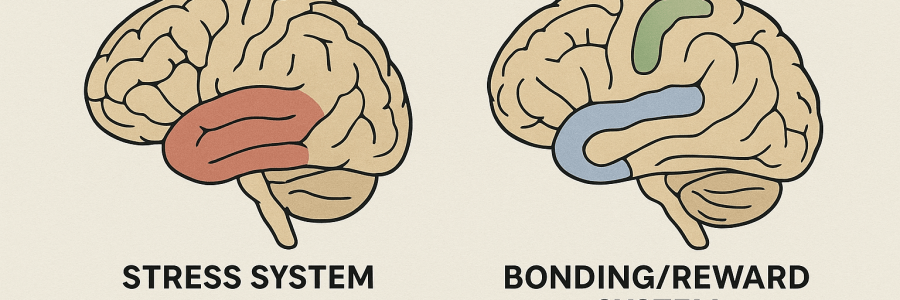
Dating in midlife is not the same as dating when you were younger. Your nervous system now carries: This means your body seeks safety before excitement — even if your mind wants connection. From a neuroscience and psychological perspective, this is not hesitation.It is emotional intelligence. 1. The Midlife Nervous System: Why Dating Feels Different Now After… Read More A Trauma-Informed Guide to Dating Again After Loss, Divorce, or Long-Term Relationships

The Psychology of Dating Predators

Why They Seem So Charming — and Why They’re So Dangerous Dating predators rarely look predatory. They don’t appear cruel, threatening, or obvious.They often appear charming, vulnerable, attentive, fascinating, or emotionally intense. Which is precisely why they succeed. What Is a Dating Predator? A dating predator is someone who seeks emotional, psychological, financial, or sexual benefit from… Read More The Psychology of Dating Predators

How People Take Advantage of Others in Dating

(Common Examples to Recognise Early) 1. Emotional Support Without Emotional Investment They use you as: But avoid: 👉 You give emotional labour. They give minimal effort. 2. Financial Exploitation They: While contributing little themselves. 👉 If you’re always paying, that’s not dating — it’s sponsorship. 3. Time & Attention Drain They expect: But don’t reciprocate. 👉 Your life… Read More How People Take Advantage of Others in Dating

European Manners & Dating Culture — A Comparison

🇬🇧 British Manners Core values: Politeness, restraint, emotional moderation, social harmony. Politeness style:✨ Gentle, subtle, indirect Risk:Things can be left unsaid, leading to misunderstanding. 🇩🇪 German Manners Core values: Clarity, honesty, structure, respect through precision. Politeness style:🎯 Clear, direct, no embellishment Risk:Can feel blunt or emotionally distant to others. 🇫🇷 French Manners Core values: Elegance, intellectual engagement, social codes,… Read More European Manners & Dating Culture — A Comparison

Early-Dating Personal Compass

Why this exists “This isn’t about judging anyone or protecting myself from imagined danger.It’s about staying connected to me while letting someone show me who they are.” I don’t rush.I don’t scan.I notice patterns — calmly. 🌅 After spending time together, I pause and ask Without analysing or explaining: (Only the pattern over time matters.)… Read More Early-Dating Personal Compass

Dating While Healing — Self-Check

Pause. Breathe. Answer honestly. No explanations required. 🧠 Nervous System Check If calm feels “boring” or unsettling, that may be trauma, not incompatibility. ❤️ Attachment Check Healthy attraction grows; trauma attachment accelerates. 🧱 Boundary Check If a boundary feels like rejection, pause — that’s old wiring speaking. 🪞Self-Respect Check Connection should expand you, not eclipse… Read More Dating While Healing — Self-Check

Facebook. Tinder. Hinge. Dating apps.

Thanks to AI, you can now be anything you like:Pilot ✈️Brain surgeon 🧠Rocket scientist 🚀Model 📸Yachtsman ⛵️ Strangely, no one ever seems to be“middle-aged, mildly tired, emotionally honest, and owns a sensible car.” Everyone’s single, wildly successful, spiritually evolvedand permanently somewhere near Monaco. Are there any real people left… or did they all log off for peace… Read More Facebook. Tinder. Hinge. Dating apps.

The Hidden Dangers of Dating Apps: Con Men, Pretenders, and Emotional Fraud

Dating apps aren’t inherently bad — but they are highly efficient environments for deception. They allow people to present a carefully curated version of themselves with very little accountability, history, or social consequence. And that creates opportunity — not just for romance, but for manipulation. Who Thrives on Dating Apps (and Why) Dating apps are especially attractive… Read More The Hidden Dangers of Dating Apps: Con Men, Pretenders, and Emotional Fraud

“This Isn’t New — It’s the Same Game in a Different Arena”Why Long-Term Mind Games Continue After Separation

When you’ve lived with decades of psychological manipulation, the most destabilising part isn’t the behaviour itself. It’s the moment you realise:This is just a continuation of the same pattern. Different setting.Different language.Same impact on your nervous system. That recognition is not bitterness.It’s pattern recognition. What Kind of Person Does This? From a trauma-informed and neuroscience perspective,… Read More “This Isn’t New — It’s the Same Game in a Different Arena”Why Long-Term Mind Games Continue After Separation

When Divorce Becomes a Control Strategy: A Neuroscience Perspective

What happens when you file for divorce in 2024 and the other person says “no”?What happens when your solicitor receives no response for months?When you try to sell the house, put forward offers, and hear nothing?When “For Sale” signs are quietly removed in the night?And then—one year later—you are accused, sued, or taken to court… Read More When Divorce Becomes a Control Strategy: A Neuroscience Perspective