A to Z – BPD

BPD stands for Borderline Personality Disorder. It is a mental health condition characterized by pervasive patterns of instability in interpersonal relationships, self-image, and emotions. Individuals with Borderline Personality Disorder often experience intense and fluctuating emotions, leading to difficulties in managing relationships, self-identity, and behavior.… Read More A to Z – BPD

A to Z – Autism

Autism, or Autism Spectrum Disorder (ASD), is a neurodevelopmental disorder characterized by a range of challenges in social interaction, communication, and repetitive behaviors. The term “spectrum” in Autism Spectrum Disorder reflects the wide variation in challenges and strengths possessed by individuals with autism. Each person with ASD is unique, and the degree of impairment can vary significantly.… Read More A to Z – Autism

Unraveling the Enigma: Grey Matter Reduction and Early Onset Psychosis

In a groundbreaking revelation, recent research has shed light on a profound connection between reduced grey matter and Early Onset Psychosis (EOP). This discovery not only holds the potential to revolutionize the diagnostic landscape but also offers a glimmer of hope for more effective treatment strategies for individuals grappling with EOP. The study, conducted by… Read More Unraveling the Enigma: Grey Matter Reduction and Early Onset Psychosis

Navigating the Spectrum of Mental Health: Understanding Different Types of Disorders

The realm of mental health encompasses a diverse array of conditions, each with its own unique characteristics, symptoms, and impact on an individual’s well-being. From mood disorders to psychotic conditions, the spectrum of mental health disorders spans a wide range, each demanding nuanced understanding and specialized approaches to treatment and support. Mood Disorders: Mood disorders… Read More Navigating the Spectrum of Mental Health: Understanding Different Types of Disorders

Understanding the Dominator

In social settings, we encounter individuals who consistently display dominant behavior in conversations, often interrupting, talking over others, or dismissing their contributions. Termed “Dominators,” these individuals assert control over discussions, prioritizing their voice while undermining or disregarding the input of others. Traits of the Dominator The Dominator exhibits a communication style characterized by assertiveness and… Read More Understanding the Dominator

Psychopaths and non-psychopathic people

Neuroscientists using MRI scans discovered that psychopathic people have a 10% larger striatum, a cluster of neurons in the subcortical basal ganglia of the forebrain, than regular people. This represents a clear biological distinction between psychopaths and non-psychopathic people. Neuroscientists from Nanyang Technological University (NTU Singapore), the University of Pennsylvania, and California State University have discovered a… Read More Psychopaths and non-psychopathic people

Executive functions

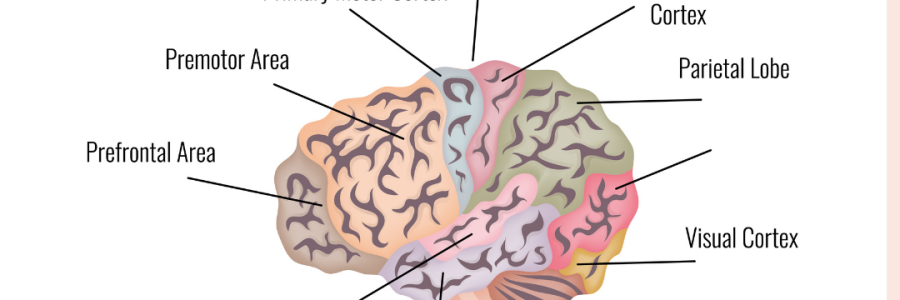
Executive functions is an umbrella term for a various cognitive processes and sub-processes.[7] The executive functions include: problem solving, planning, organizational skills, selective attention, inhibitory control and some aspects of short term memory.[8]} Visuospatial Neuropsychological tests of visuospatial function should cover the areas of visual perception, visual construction and visual integration.[9] Though not their only functions, these tasks are to… Read More Executive functions

“Understanding the Complex Tapestry: Unraveling the Main Symptoms of Borderline Personality Disorder (BPD)”

Borderline Personality Disorder (BPD) is a complex mental health condition characterized by pervasive patterns of instability in interpersonal relationships, self-image, and emotions. The symptoms of BPD can vary widely among individuals, but they typically include the following: It’s important to note that individuals with BPD may experience these symptoms to varying degrees, and the presentation… Read More “Understanding the Complex Tapestry: Unraveling the Main Symptoms of Borderline Personality Disorder (BPD)”