Category: CBT
Karma, Consciousness, and Freedom

Karma, consciousness, and freedom are interconnected concepts that have been explored and discussed in various philosophical and spiritual traditions. Let’s briefly look at each of these concepts individually and then explore their interrelationships. Now, let’s explore the interrelationships between these concepts: It’s important to note that these concepts have diverse interpretations and can vary across… Read More Karma, Consciousness, and Freedom
Common Reaction of the brain to an abuser
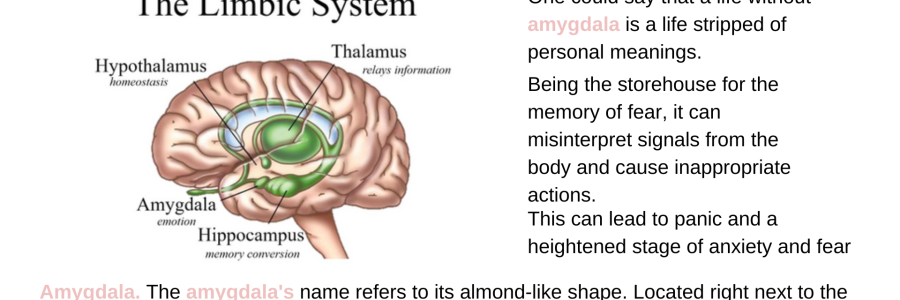
Several important ingredients that contribute to someone’s “addiction” to their abuser are oxytocin (bonding), endogenous opioids (pleasure, pain, withdrawal, dependence), corticotropin-releasing factor (withdrawal, stress), and dopamine (craving, seeking, wanting). With such strong neurochemistry in dysregulated states, it will be extremely difficult to manage emotions or make logical decisions. https://www.psychologytoday.com/us/blog/neurosagacity/201701/the-brain-can-work-against-abuse-victims
CBT Therapy
Cognitive Behavioral Therapy Cognitive behavioral therapy (CBT) is a psychosocial intervention approach in which behavioral change is initiated by a therapist helping patients to confront and modify the irrational thoughts and beliefs that are most likely at the root of their maladaptive behaviors. Maladaptive behaviors are those that prevent an individual from adjusting appropriately to normal… Read More CBT Therapy
CBT in Later Life
Cognitive behavioral therapies (CBTs) and interventions have strong evidence of being effective for behavioral health conditions in diverse middle-aged and older adults. Not all aging individuals require adaptations of standard CBTs, yet some features of later life merit special attention. Culturally responsive CBTs include affirmation of personal strengths, along with consideration of modifications to improve clinical… Read More CBT in Later Life
Help with PTSD and C-PTSD
EMDR Therapy
Emotional Regulation
Online Therapy and Coaching
Inner Child Work

Inner child work is any form of self discovery that helps you access the child you once were, along with the experiences and emotions that child was taught to repress.
 Linda C J Turner | Trauma Therapist & Emotional Healing Specialist