Voice cloning scams

Voice cloning scams are a concerning form of cybercrime where scammers use advanced technology to mimic someone’s voice, typically a person in a position of authority or someone familiar to the victim, to deceive individuals into believing they are communicating with the genuine person. This deception can be utilized for various malicious purposes, such as tricking individuals into sharing sensitive information, transferring money, or carrying out fraudulent activities.… Read More Voice cloning scams


The Ethics of “Naming and Shaming”

Furthermore, the effectiveness of “naming and shaming” as a means of promoting accountability is subject to debate. While some may argue that public exposure is a powerful deterrent against misconduct, others question its long-term efficacy in fostering genuine change. In many cases, individuals or organizations may respond defensively or double down on their behavior in the face of public scrutiny, rather than taking steps to address the root causes of their wrongdoing.… Read More The Ethics of “Naming and Shaming”

Unveiling Cybercrime

Proving cyber intrusions such as creating fake social media profiles, hacking email accounts, stalking Facebook accounts, and sending fake messages to business accounts requires a multifaceted approach combining technical expertise, legal strategies, and collaboration with law enforcement authorities. By documenting evidence, leveraging digital forensics analysis, and identifying the perpetrators behind these offenses, victims can seek justice and hold cybercriminals accountable for their actions. Additionally, raising awareness about cybersecurity best practices and promoting digital literacy can help prevent future incidents of cyber intrusions and protect individuals and businesses from falling victim to online crimes.… Read More Unveiling Cybercrime

Ensuring Safety

When you’re not at home, your property becomes vulnerable. Whether it’s a cleaner, a repair person, or a maintenance worker, these individuals have unrestricted access to your personal space. This vulnerability is heightened if they have not undergone thorough background checks. Without proper screening, you risk exposing yourself to potential theft, invasion of privacy, or other criminal activities.… Read More Ensuring Safety

Personal Responsibility

Personal Responsibility: Every individual has agency and autonomy when it comes to their behavior and decision-making. While external factors such as medication may influence one’s mental state, ultimately, individuals are accountable for how they choose to act upon their thoughts and emotions. Blaming medication for illegal or immoral behavior undermines the concept of personal responsibility and diminishes the importance of individual agency.… Read More Personal Responsibility

Brain Chemistry

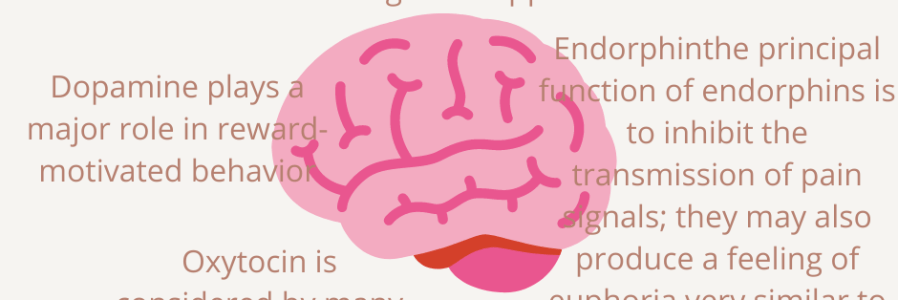
Substance Abuse Disorders: Individuals who struggle with substance abuse disorders, such as addiction to drugs or alcohol, often experience profound changes in behavior and cognition. Chronic substance abuse can alter brain chemistry and impair executive functions, including those related to impulse control, decision-making, and empathy. As a result, individuals may engage in morally questionable behaviors without fully considering the consequences to others.… Read More Brain Chemistry

The Absence of Conscience

The Absence of Conscience: For some individuals, the absence of guilt and conscience can manifest as a disregard for the well-being of others. This may lead to behaviors characterized by selfishness, manipulation, or exploitation, as they prioritize their own interests without regard for the consequences to others. Without a moral compass to guide their actions, they may engage in harmful behaviors without experiencing the associated emotional repercussions.… Read More The Absence of Conscience