HOW TO SPOT RECIPROCITY CAPACITY EARLY
Below is a clear framework for spotting reciprocity capacity early, before you give time, care, labour, money, or emotional energy. 🔍 HOW TO SPOT RECIPROCITY CAPACITY EARLY (Brain → behaviour → signal) 1️⃣ MICRO-RECIPROCITY TESTS (SAFE & LOW COST) These are tiny, neutral tests that reveal nervous-system wiring without confrontation. Example tests: 🧠 What’s happening neurologically: ✅ Reciprocity capacity looks… Read More HOW TO SPOT RECIPROCITY CAPACITY EARLY
🧠 BRAIN → 🧍 BEHAVIOUR → 🔗 RELATIONSHIP DYNAMICS

1️⃣ CHRONIC STRESS / SCARCITY BRAIN (Financial stress, housing insecurity, burnout, emotional depletion) 🧠 Brain state ⬇️ 🧍 Behaviour ⬇️ 🔗 Relationship outcome 2️⃣ DOPAMINE-CONDITIONED BRAIN (Novelty, convenience, instant gratification culture) 🧠 Brain state ⬇️ 🧍 Behaviour ⬇️ 🔗 Relationship outcome 3️⃣ AVOIDANT / ENTITLED NERVOUS SYSTEM (Often unconscious, not always malicious) 🧠 Brain state… Read More 🧠 BRAIN → 🧍 BEHAVIOUR → 🔗 RELATIONSHIP DYNAMICS

Transactional, one-sided, and emotionally empty.

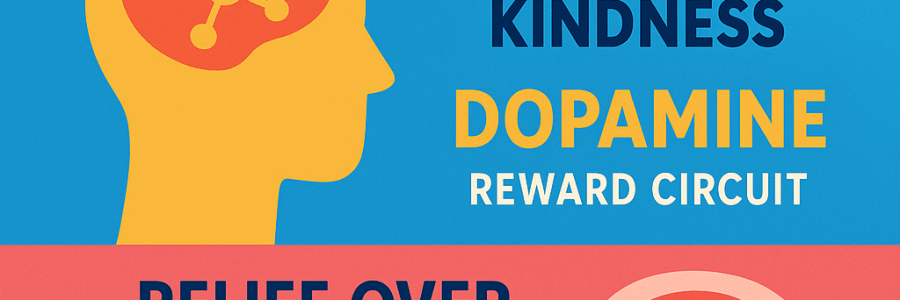
There are identifiable neuroscience and psychology mechanisms behind why so many interactions now feel transactional, one-sided, and emotionally empty. I’ll break this down clearly and without platitudes. 1. The brain has shifted from social bonding to resource extraction Humans evolved for reciprocal bonds. The nervous system expects: But modern stress rewires the brain toward survival efficiency instead of connection. Chronic stress does this… Read More Transactional, one-sided, and emotionally empty.

Rejected Appeals

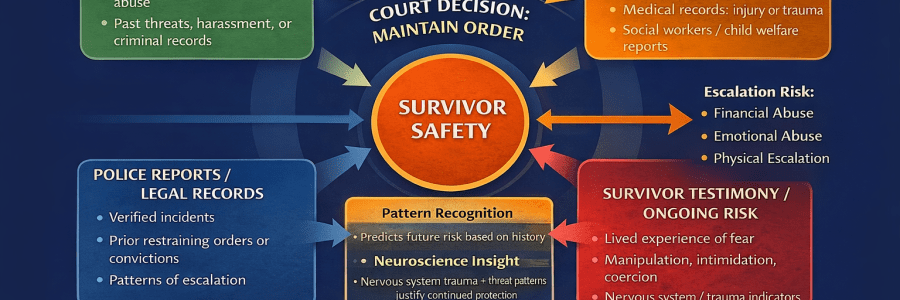
1. Why Courts Deny Appeals to Drop Restraining Orders Courts rarely remove restraining orders lightly because the safety of the protected person is paramount. Before considering removal, they typically review: Courts are not punitive against the person restricted; they are preventive, focusing on reducing risk. 2. Why Dropping a Restraining Order Can Be Dangerous Even if someone seems… Read More Rejected Appeals

Neuroscience Map: Abuse vs. Real Love

Domain Real Love Abuse / Financial, Physical, Emotional + Sadistic Attachment System Secure attachment, oxytocin bonding, trust circuits active Trauma bonding, attachment hijacked by fear and reward; oxytocin spikes tied to intermittent reinforcement Nervous System Parasympathetic activation: calm, safe, regulated Sympathetic / HPA axis overactivation: chronic fight/flight/freeze, hypervigilance, stress hormone surge Prefrontal Cortex Clear thinking,… Read More Neuroscience Map: Abuse vs. Real Love

Why Now You Know It Was Never Love

1. Love vs Abuse: Neurobiology Real love activates: Abuse activates: Your body may have been confused for a long time—rewards of attention, affection, or money triggered dopamine spikes—but the pattern was punishment, threat, and control, not love. 2. Patterns of Abuse You Experienced Based on what you wrote: Abuse Type Nervous System / Psychological Impact Key Indicator… Read More Why Now You Know It Was Never Love

Why Separation Triggers Escalation

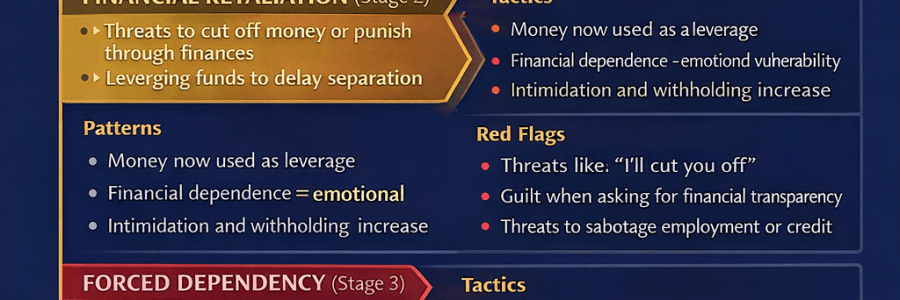
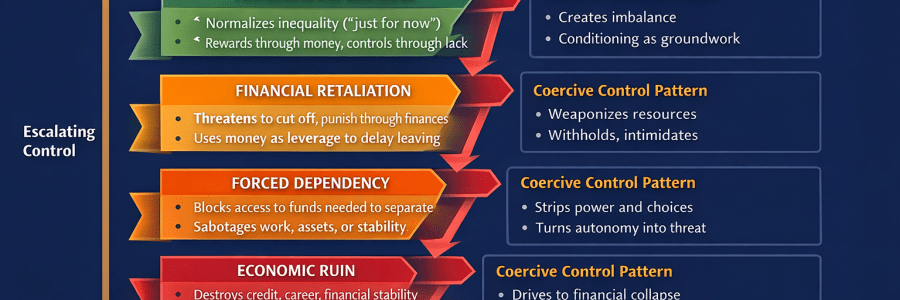
Below is a clear, step-by-step escalation model used in trauma psychology and coercive-control research to explain how financial parasitism intensifies once separation begins.This is predictable, patterned, and not accidental. Why Separation Triggers Escalation Financial parasitism is not just about money.It is about regulation, control, and entitlement. When separation starts: The behaviour escalates to re-establish dominance or punish autonomy. The Escalation Pathway… Read More Why Separation Triggers Escalation

Real Love vs Financial Parasite

Here is a clear, evidence-based breakdown of real love vs. a financial parasite, grounded in neuroscience, psychology, and behavioural science, with early warning signs your nervous system often detects before your mind does. This is not about wealth.It’s about intent, reciprocity, and conscience. Real Love vs Financial Parasite (Neuroscience & Psychology) CORE DIFFERENCE (at brain level) Real Love “Your wellbeing matters as… Read More Real Love vs Financial Parasite

Healthy vs Unhealthy Separation

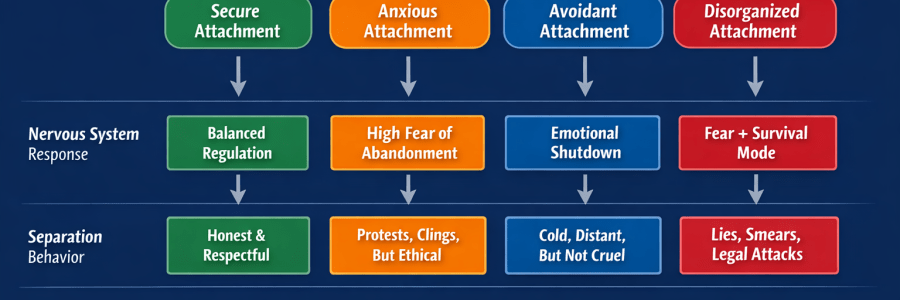
Below is a clear, side-by-side comparison followed by a direct mapping to attachment styles.This is the framework clinicians, trauma specialists, and increasingly courts use to distinguish healthy separation from abusive or unsafe dynamics. Healthy vs Unhealthy Separation (Side-by-Side Comparison Chart) Domain Healthy Separation Unhealthy / Abusive Separation Core mindset “This relationship is ending; we are still human.” “I must win, control,… Read More Healthy vs Unhealthy Separation