A Trauma-Sensitive Explanation for Survivors

Discovering that a partner has been paying for sex can be profoundly destabilizing. It often triggers shock, grief, rage, confusion, humiliation, betrayal, and deep emotional pain — sometimes all at once. This reaction is not dramatic.It is a normal nervous-system response to relational trauma. Why This Hurts So Deeply This kind of discovery doesn’t just break trust.It fractures… Read More A Trauma-Sensitive Explanation for Survivors
Paying for Sex — Neuroscience & Psychology

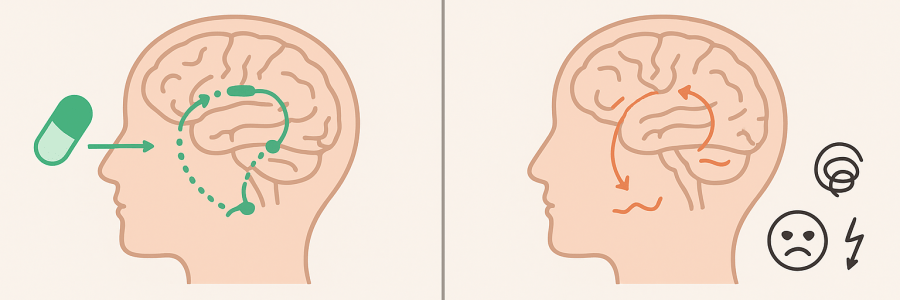
Paying for sex is not primarily about sex.From a neuroscience and psychological perspective, it is most often about power, control, emotional safety, attachment wounds, and nervous-system regulation. 1. The Neuroscience: Control Over Connection Healthy sexual intimacy activates: But true intimacy requires emotional vulnerability, which activates deeper brain regions responsible for: For many people, this vulnerability feels unsafe. So… Read More Paying for Sex — Neuroscience & Psychology

Why Some Families Actively Join in Cruelty

Psychology & Family System Dynamics 1. Why Some Families Actively Join in Cruelty Some families don’t just enable cruelty — they participate in it. This happens when cruelty becomes: Psychological Drivers: This is called: Collective abuse dynamics 2. Why Siblings Sometimes Become Aggressors In abusive or high-control families, siblings often compete for: Common sibling roles: ➤… Read More Why Some Families Actively Join in Cruelty

Why Some Families Enable Cruelty

Here is a clear, compassionate, psychologically grounded explanation of why some families enable cruelty — especially in abusive dynamics. This is about understanding patterns, not excusing harm. Psychology, Family Systems & Trauma Dynamics Core Truth Families often enable cruelty not because they approve of it — but because the family system is organized around fear, denial, loyalty pressure, and emotional… Read More Why Some Families Enable Cruelty

A predictable revenue stream.

Why Lawyers Often Let This Happen Not all lawyers, but some, especially in high-conflict cases, recognise very quickly when a client is: For certain firms, this becomes: A predictable revenue stream. If a client: That client can generate tens or hundreds of thousands in fees. The Legal Industry Reality (Rarely Spoken Out Loud) Litigation = billable hours High-conflict personalities: From… Read More A predictable revenue stream.

Endless appeals

Here is a clear, legally grounded explanation of how courts identify vexatious litigants, with practical insight into warning signs, legal criteria, and what judges actually look for: How Courts Identify Vexatious Litigants Legal Definition (General Principle) A vexatious litigant is someone who repeatedly brings legal actions that are: Core Indicators Courts Look For 1. Excessive filings 🚩 Pattern: volume > substance 2.… Read More Endless appeals

Vexatious Litigation / High Conflict Personality Litigation

Some people will spend tens — even hundreds — of thousands fighting nothing. Not to resolve.Not to protect themselves.But to maintain dominance, punish independence, and avoid losing psychological power. Here’s what psychology, neuroscience, and legal research all show about this: Why Some People Spend Vast Sums Fighting Pointlessly 1. Control is more important than money For these personalities: Power… Read More Vexatious Litigation / High Conflict Personality Litigation

The Psychology & Neuroscience of Compulsive Control Through Legal Warfare

Here is a clear, grounded explanation of the mindset, psychology, and nervous-system drivers behind people who obsessively fight for control using lawyers, even when there is nothing real to fight about. Core Pattern: Control addiction Some people are not fighting issues.They are fighting loss of dominance. The legal system becomes their weapon of emotional regulation. 🧠 Neuroscience: What’s happening in their brain &… Read More The Psychology & Neuroscience of Compulsive Control Through Legal Warfare