🌅 Signs You Are Close to Emotional Freedom

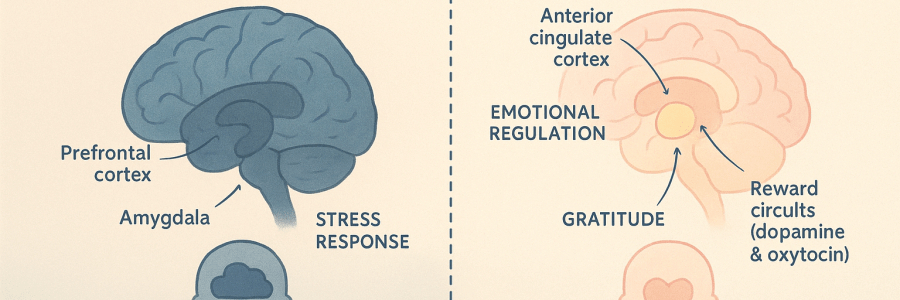
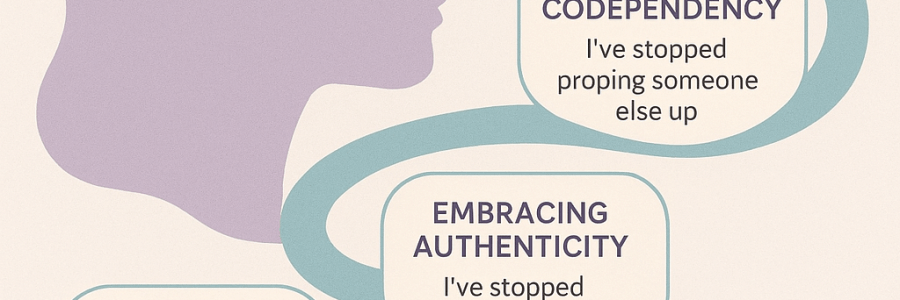
Here are the clear, reliable signs that you are close to emotional freedom, based on psychology, trauma recovery, and deep emotional processing. 1. Emotional Calm Replaces Emotional Reactivity You no longer: Instead: Calm is the biggest sign of emotional healing. 2. You Stop Wanting Validation, Apologies, or Closure You no longer need: You simply: Understand —… Read More 🌅 Signs You Are Close to Emotional Freedom

⚠️ Common Mistakes That Prolong Emotional Limbo

Many people stay stuck in emotional limbo for years — not because they’re broken, but because of a few very human coping mistakes. Here are the most common mistakes that prolong the Neutral Zone, and how to gently avoid them. 1. Avoiding the Feelings Instead of Processing Them Trying to: This delays healing because: Unfelt emotion doesn’t disappear — it waits.… Read More ⚠️ Common Mistakes That Prolong Emotional Limbo

🌿 How to Navigate the Neutral Zone in a Healthy Way

The Neutral Zone is uncomfortable, but when navigated consciously, it becomes one of the most transformative periods of your life. Let’s walk through this in a grounded, human, practical way. 1. Accept the Discomfort (Don’t Fight It) The biggest mistake people make is trying to escape this stage. Instead: Say to yourself:“This is a transition, not a failure.” Expect:… Read More 🌿 How to Navigate the Neutral Zone in a Healthy Way

William Bridges’ “Neutral Zone” — Explained Simply

William Bridges was a psychologist who specialized in human transitions. He discovered that real change isn’t about events — it’s about psychological adjustment. He described 3 stages of transition: The Neutral Zone is the in-between state — when the old way is gone, but the new way isn’t fully formed yet. This is often the most uncomfortable, confusing, and emotionally intense stage. 🟡 What… Read More William Bridges’ “Neutral Zone” — Explained Simply

How many married men “let themselves go”?

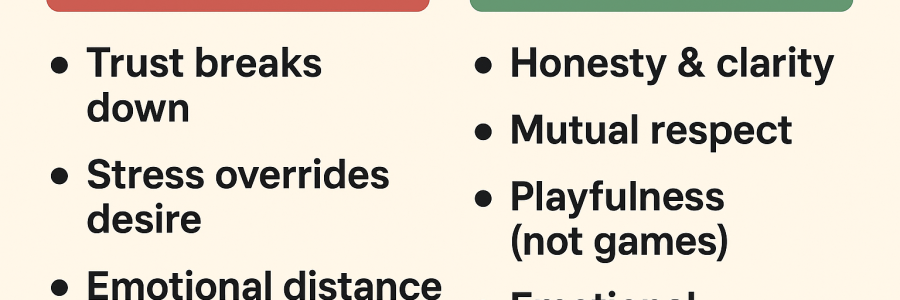
There isn’t a single statistic that captures all the things you listed (grooming, libido, hygiene, money habits, emotional effort, health complaints), but research gives us some useful clues: Physical appearance & grooming Weight gain & health habits Libido & sexual energy Emotional effort & generosity Hygiene & self-care neglect This is harder to measure, but relationship… Read More How many married men “let themselves go”?