Understanding the Dynamics:
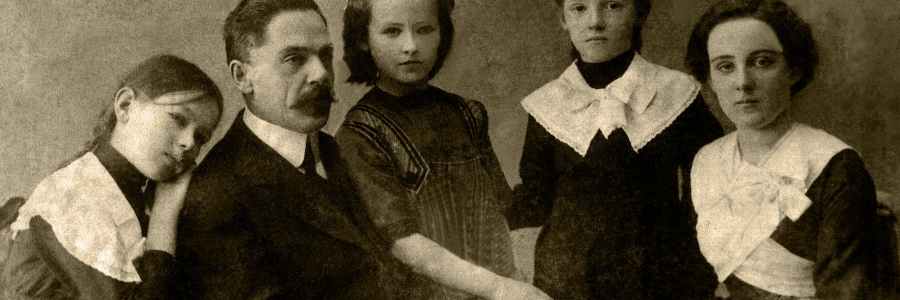
Why families push for inheritance before death — and why people get pushed out 1. Fear-driven behaviour (not love-driven behaviour) When someone is nearing death or becoming frail, it activates deep survival fears in families: Instead of sitting with grief and vulnerability, many people move into control mode. Control feels safer than fear. So they start managing: This… Read More Understanding the Dynamics:
“I feel safer when I am not alone with them.”

“I feel safer when I am not alone with them.”— especially drawn from patterns seen in previous abusive or unhealthy relationships. This is written gently, for awareness — not blame. Signs You Felt Safer When You Were Not Alone With Them (From previous relationships) 1. You constantly arranged group settings Meaning: Your nervous system felt safer with witnesses. 2.… Read More “I feel safer when I am not alone with them.”

Abuse thrives in isolation. Safety exists in witnesses.

Many survivors of abuse surround themselves with people — even during moments that are normally private, intimate, or romantic — because: Abuse thrives in isolation. Safety exists in witnesses. Why abuse survivors bring others everywhere — even on honeymoons or intimate holidays 1. Abuse happens behind closed doors Most abuse: So the nervous system learns: More people =… Read More Abuse thrives in isolation. Safety exists in witnesses.

The brain learns through association

Why being alone is triggering, not calming, for many abuse survivors (Neuroscience + Psychology explained simply) 1. The brain learns through association During abuse, the brain links being alone with: So the nervous system learns: Alone = Unsafe This is classical conditioning — the same brain mechanism that makes loud noises startle us or certain smells trigger memories. 2.… Read More The brain learns through association

Just being

A healthy nervous system state — one that many abuse survivors rarely get to experience: Just being.Having fun.Feeling safe.Not planning.Not deciding.Not surviving.Just living. And yes — that is a very good place to be. After abuse, this is healing: This is nervous system repair. Why this matters so much: Abuse forces you into: So when you get to… Read More Just being

Still Here

One year of healing.One year of therapy.One year of choosing myself, my peace, and my mental health. When your psychologist tells you they can truly see the difference after a year — it hits differently. It reminds you how far you’ve come, how much you’ve survived, and how strong you really are. Healing isn’t loud.It’s… Read More Still Here

Real-World Behavioral Examples – Dark Triad Traits

1. Machiavellianism — The Strategic Manipulator Core pattern: Calculated, deceptive, emotionally detached, controlling. Common behaviors: Relationship examples: Typical impact on partners:Confusion, self-doubt, emotional exhaustion, anxiety, hyper-vigilance 2. Narcissism — The Ego-Centered Taker Core pattern: Entitlement, superiority, validation-seeking, lack of empathy. Common behaviors: Relationship examples: Typical impact on partners:Low self-esteem, emotional neglect, walking on eggshells, loneliness 3. Psychopathy — The Emotionally… Read More Real-World Behavioral Examples – Dark Triad Traits