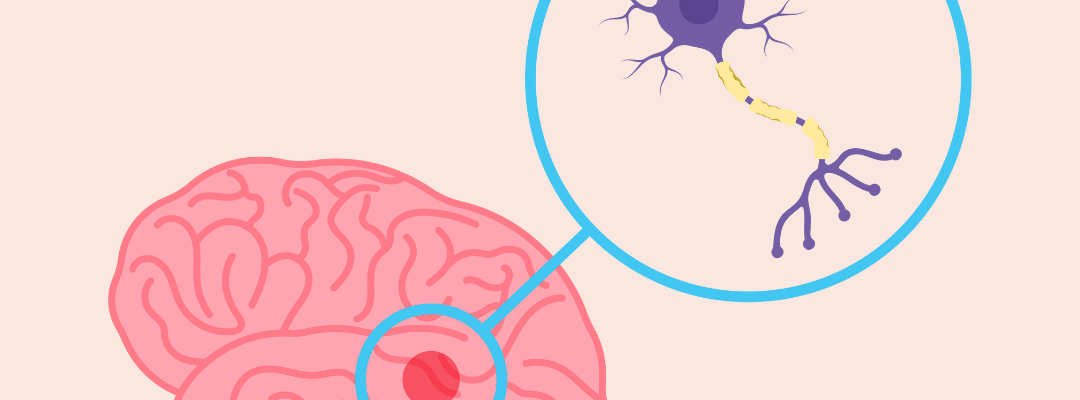
Dopamine is another neurotransmitter in the brain that plays a crucial role in several important functions. It is involved in the brain’s reward and pleasure pathways, as well as in regulating movement, motivation, mood, attention, and cognitive processes.
Dopamine is produced in several regions of the brain, including the substantia nigra and the ventral tegmental area. It acts as a chemical messenger, transmitting signals between neurons in different parts of the brain. Dopamine binds to specific receptors on target neurons, triggering a cascade of effects that influence brain activity.
One of the primary functions of dopamine is its role in the brain’s reward system. When we engage in pleasurable activities such as eating delicious food or engaging in social interactions, dopamine is released, creating a sensation of reward and reinforcing those behaviors. It helps motivate us to seek out rewarding experiences and plays a role in learning and reinforcement.
Dysfunction in the dopamine system has been implicated in several neurological and psychiatric disorders. For example, Parkinson’s disease is characterized by a loss of dopamine-producing cells in the substantia nigra, leading to motor symptoms such as tremors, rigidity, and movement difficulties. Additionally, conditions like schizophrenia and addiction have been associated with abnormalities in dopamine function.
Drugs that act on the dopamine system can have significant effects on mood and behavior. For instance, drugs that increase dopamine activity, such as certain stimulants, can enhance alertness and attention. On the other hand, drugs that block dopamine receptors, such as antipsychotics, are used to treat conditions like schizophrenia by reducing excessive dopamine activity.
It’s important to note that dopamine does not solely determine pleasure and reward; it is just one piece of a complex network of neurotransmitters and brain regions involved in these processes. The interplay between dopamine, serotonin, and other neurotransmitters is intricate and interconnected, and imbalances or disruptions in these systems can contribute to various mental health conditions.
© Linda C J Turner
 Linda C J Turner | Trauma Therapist & Emotional Healing Specialist