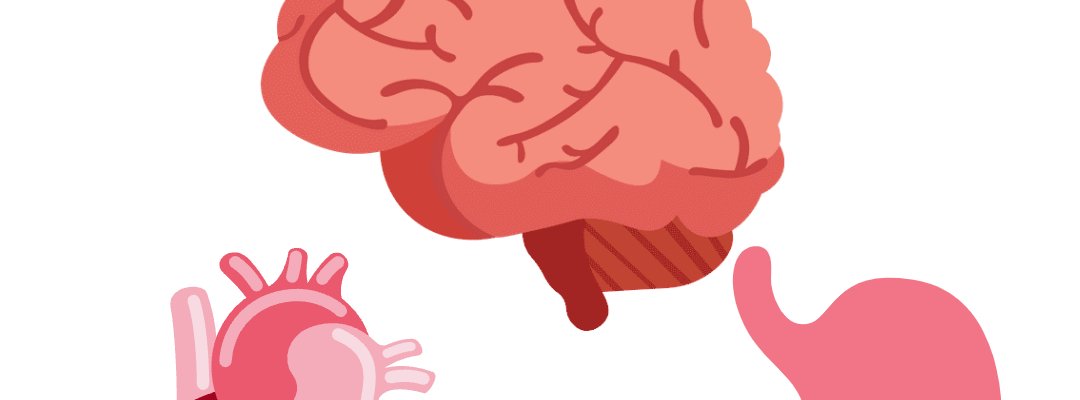
The vagus nerve, also known as the tenth cranial nerve or the wandering nerve, is a major nerve that extends from the brainstem to various organs in the body, including the stomach, heart, and other visceral organs. It plays a crucial role in the bidirectional communication between the brain and these organs, forming what is known as the brain-gut axis or the brain-heart axis.
The vagus nerve consists of both sensory and motor fibers, allowing it to transmit signals in both directions. Here’s how the vagus nerve connects the stomach, brain, and heart:
- Stomach: The vagus nerve innervates the digestive organs, including the stomach. It carries sensory information from the stomach to the brain, providing feedback on the state of the digestive system. For example, it relays information about the stretch and contraction of the stomach walls and the release of digestive hormones.
- Brain: The vagus nerve is responsible for transmitting information from the digestive organs to the brain. This includes signals related to satiety, hunger, and feelings of fullness. It also carries sensory information related to pain, nausea, and other gastrointestinal sensations. In response, the brain can regulate various aspects of digestion, such as the release of digestive enzymes and the rate of gastric emptying.
- Heart: The vagus nerve plays a crucial role in regulating heart rate and cardiac function. It helps to maintain a balance between the sympathetic and parasympathetic nervous systems, which are responsible for the “fight-or-flight” and “rest-and-digest” responses, respectively. The vagus nerve, specifically its parasympathetic fibers, slows down heart rate, lowers blood pressure, and promotes relaxation.
Overall, the vagus nerve serves as a communication pathway between the brain, stomach, and heart, allowing for coordinated regulation of various physiological processes. Its activity has been implicated in conditions like gastrointestinal disorders, heart rate variability, and even mental health issues. Researchers continue to study the complex interactions within the brain-gut-heart axis to better understand its influence on overall health and well-being.
© Linda C J Turner
 Linda C J Turner | Trauma Therapist & Emotional Healing Specialist